


More news on this day
Thunderstorms moving through North Texas on Sunday prompted a ground delay program at Dallas Fort Worth International Airport, slowing arrivals and departures and adding another layer of disruption to one of the nation’s busiest summer travel hubs.
Get the latest news straight to your inbox!
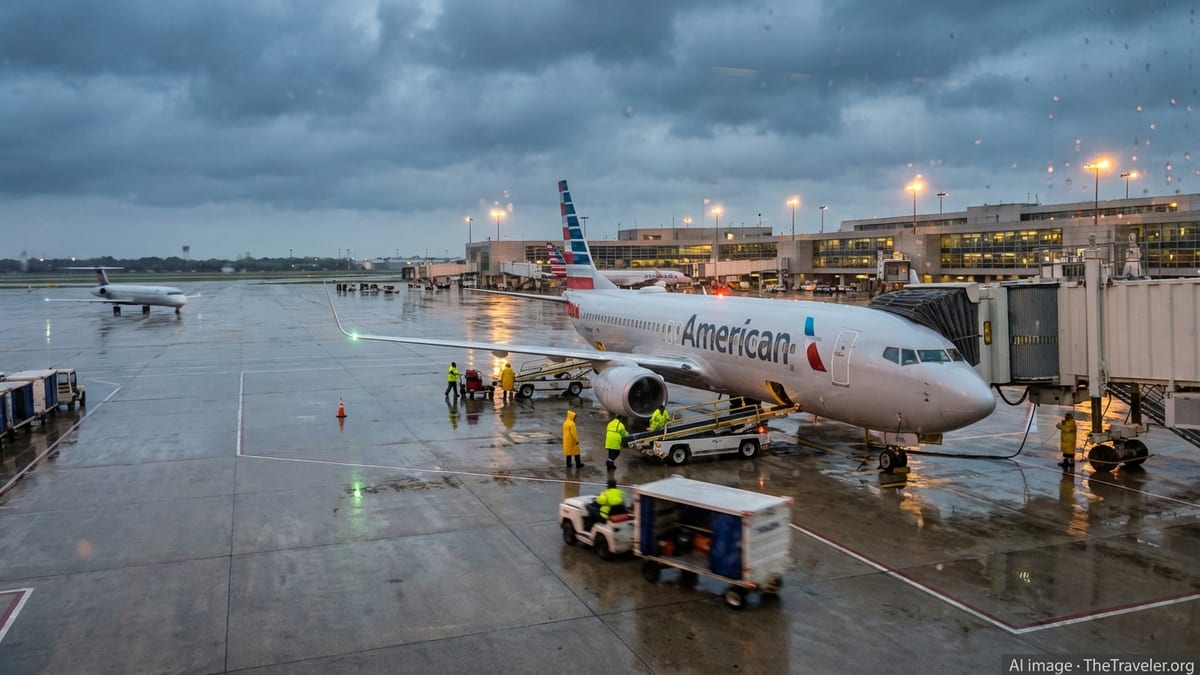
Storms Move Across North Texas on Busy Summer Weekend
The disturbance developed as clusters of showers and thunderstorms pushed into the Dallas Fort Worth area Sunday afternoon and evening, following a stretch of unsettled weather across the Southern Plains. Publicly available forecasts from the National Weather Service office serving the region indicated renewed storm chances late Sunday and into early Monday, with locally heavy rain and frequent lightning in parts of North and Central Texas.
While not every corner of the metroplex was affected equally, radar imagery and forecast discussions showed storms tracking near major transport corridors, including the airspace serving Dallas Fort Worth International Airport. Even when conditions at the airport itself improve, convective weather in surrounding approach and departure paths can significantly restrict how many aircraft controllers can safely move at one time.
The timing of the storms, arriving on a midsummer Sunday when traffic is already elevated by leisure travel, increased the risk that relatively short periods of intense weather could ripple outward as extended delays for passengers changing planes in Dallas or heading to smaller markets across the central United States.
Ground Delay Program Slows Arrivals and Departures
According to air traffic planning advisories, the Federal Aviation Administration’s traffic management system responded by placing Dallas Fort Worth under a ground delay program, a tool used to meter arriving flights into congested or weather affected airports. Under such a program, flights destined for the airport are held at their origin with revised departure slots so that arrival flows match the reduced capacity at the hub.
Ground delay programs do not fully close an airport, but they can significantly lengthen travel times as aircraft wait on the ground miles away rather than holding in the air near Dallas. In addition to inbound metering, departures from Dallas Fort Worth often slow when thunderstorms or low clouds reduce the number of available runways or when traffic flows through key sections of regional airspace must be rerouted around storms.
Operational planning documents for recent months show that Dallas Fort Worth is routinely flagged as vulnerable to ground stops and delay programs during convective outbreaks, particularly in late afternoon and evening periods. The combination of storm hazards, ongoing runway and navigation system work highlighted in federal construction impact reports, and high summer traffic levels can reduce the margin for handling sudden bursts of weather activity.
Airlines Manage Cancellations, Missed Connections and Rebooking
The latest disruption added to a series of weather related slowdowns that have tested airline operations at Dallas Fort Worth this season. The airport is a primary hub for domestic and international connections, and when arrival capacity is cut, carriers frequently consolidate flights, extend connection times or preemptively cancel select departures to keep aircraft and crews in position for later waves of service.
Traveler accounts shared on aviation forums and social platforms in recent weeks describe missed connections, overnight airport stays and rolling departure time changes during previous storm driven ground delays at the airport. Sunday’s program appeared to follow a similar pattern, with some flights operating close to schedule while others experienced multi hour holds or diversions to alternate airports when storms became more intense along final approach routes.
Airlines typically encourage passengers to monitor apps and flight status tools closely on days when Dallas Fort Worth is under traffic management restrictions, and many carriers offer flexible change policies when widespread weather issues are anticipated. For travelers already en route, however, gate reassignment, crew availability and aircraft routing constraints can limit options until the ground delay program is eased and normal arrival rates are restored.
Regional Weather and Construction Leave DFW Exposed
Longer term planning documents from federal aviation agencies indicate that Dallas Fort Worth remains a complex operating environment whenever severe or even moderate storms move across North Texas. The airport’s role as a central hub means that delays there can have outsized effects on flights throughout the country, particularly on routes that rely on north south connections through the middle of the United States.
Airport construction impact reports point to runway and lighting projects that can temporarily reduce available capacity or change how aircraft are sequenced in certain wind and weather conditions. When these infrastructure constraints intersect with convective weather systems, planners anticipate a higher probability of ground delay programs, especially during the spring and summer storm seasons.
Recent advisories also highlight how traffic management initiatives for other major hubs, such as New York or San Francisco, can interact with conditions at Dallas Fort Worth. When storms affect multiple regions on the same day, air traffic planners may need to balance competing flows through shared airspace, increasing the likelihood that Dallas bound flights will face extended delays on the ground before takeoff.
What Travelers Can Expect in Coming Days
Forecast discussions for North Texas as of late Sunday suggested that additional showers and storms could linger into Monday before drier and warmer conditions return later in the week. If storms redevelop near peak travel periods, further traffic management initiatives for Dallas Fort Worth cannot be ruled out, particularly during the late afternoon and evening windows that typically carry the heaviest load of connecting flights.
Travelers with upcoming itineraries that pass through Dallas Fort Worth are likely to see airlines emphasize earlier flights in the day, larger aircraft on core routes and expanded use of schedule change waivers when severe weather potential is flagged. Historical experience over the past several months shows that even when thunderstorms are relatively short lived, recovery from a ground delay program can extend into subsequent days as airlines reposition aircraft and crews.
For passengers, the practical effect is an elevated risk of missed connections and unplanned overnight stays whenever storms coincide with high volume travel days at Dallas Fort Worth. Those with flexible plans may benefit from selecting morning departures, nonstop routes where available, or alternative hubs when strong storm systems are in the forecast for North Texas, particularly on Sundays when leisure and return travel volumes are especially high.