


More news on this day
Scores of travelers connecting through Warsaw to key Nordic hubs faced cancellations and severe delays this week, as a rolling pattern of network disruption across northern Europe left passengers stranded far from their final destinations.
Get the latest news straight to your inbox!
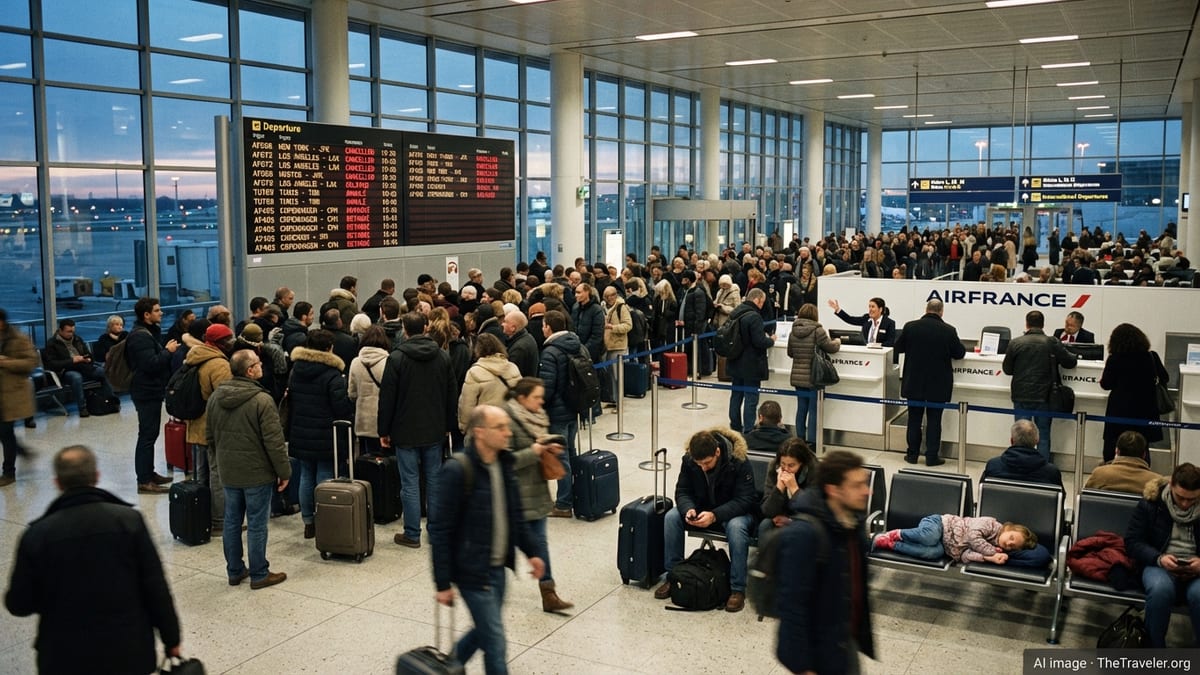
Knock-on delays from wider Nordic network turmoil
Published coverage across European travel media in mid and late June 2026 points to mounting strain on the aviation network linking central Europe with Scandinavia. Recent disruption at Copenhagen, one of the region’s most important hubs, and operational challenges affecting Scandinavian and partner airlines have produced a wave of missed connections for travelers routing via Warsaw to Nordic capitals.
Reports indicate that schedule instability at Copenhagen earlier in June, including suspended departures and tightly packed replacement services, has created a fragile operating environment on feeder routes. When delays or aircraft rotations ripple through the system, routes between Warsaw and cities such as Copenhagen, Stockholm, Oslo and Helsinki are among those where disruption is quickly felt by connecting passengers.
Data providers tracking Warsaw Chopin Airport show a high volume of departures to Nordic and Baltic destinations on a typical summer day, underscoring how even a modest number of cancellations or extended delays can affect hundreds of travelers in a short time. With many itineraries built around tight connections through Scandinavian hubs, even small schedule shifts have translated into missed onward flights and unexpected overnight stays.
The situation has been compounded by broader European capacity pressures. Industry and regulatory reports for 2025 and early 2026 highlight a sustained increase in air traffic management delays and staffing constraints at several major hubs, including those in northern Europe. When combined with localized operational problems, the result has been a series of days where punctuality on Warsaw–Nordic sectors has deteriorated sharply.
Scenes of stranded passengers at Warsaw Chopin
Travelers transiting Warsaw this week encountered departure boards showing gaps, rolling delays and last-minute gate changes on some flights bound for Scandinavia. Publicly available timetable snapshots still list a full schedule of services to Nordic hubs, but real-time status information reflects a pattern in which a portion of these flights either depart significantly behind schedule or are removed from the board close to departure time.
For passengers arriving from elsewhere in Europe to connect in Warsaw, the disruption has translated into stranded overnight stays when their Nordic-bound flights left without them or were canceled outright. Social media accounts and forum posts describe passengers queueing at transfer desks late into the evening, seeking hotel vouchers, rebooking options and guidance on how to continue their journeys north.
Families heading to summer holidays in Scandinavia, business travelers bound for regional financial centers and migrant workers returning to Nordic countries after visits home have all been caught up in the disruption. In several cases described in public posts, travelers reported waiting hours in Warsaw while airlines attempted to secure scarce seats on alternative departures to Copenhagen, Stockholm or Oslo the following day.
Airport data tools show that Warsaw Chopin is currently handling hundreds of daily departures at the height of the summer build-up, with peak hours around late morning and early evening. Under these conditions, the removal of just a handful of aircraft rotations to and from Nordic hubs can rapidly fill remaining available seats, leaving some passengers with no same-day options.
Pressure on Nordic hubs spreads the disruption
The difficulties for passengers traveling between Warsaw and Scandinavia are closely tied to a broader pattern of strain on Nordic hub operations in June 2026. Industry-focused coverage describes a surge of cancellations and delays affecting carriers serving Denmark, Sweden and Norway, fueled by a combination of crew shortages, aircraft availability problems and tight summer schedules.
Operational issues at Copenhagen, Stockholm Arlanda and Oslo Gardermoen have had knock-on effects for inbound flights from central and eastern Europe. When hub airports struggle to turn aircraft on time or must consolidate frequencies, feeder routes such as Warsaw–Copenhagen or Warsaw–Stockholm can be reduced, with late-notice cancellations particularly disruptive for passengers already en route.
Some of the most acute cases have involved travelers whose long-haul itineraries depended on smooth connections in the Nordic region. Recent accounts from affected routes show that when a Warsaw–Nordic leg is delayed or canceled, passengers risk losing onward services to long-haul destinations in North America or Asia and may be rebooked days later. This has amplified frustration among those stranded midway through complex itineraries.
Analysts tracking European network performance note that Scandinavian hubs have seen fluctuating traffic volumes since early 2026, with growth in some segments colliding with infrastructure and staffing limits. The resulting operational volatility has been transmitted along the feeder network, particularly on routes that, like those from Warsaw, serve large flows of transfer passengers rather than predominantly local point-to-point traffic.
EU261 rights and what passengers can expect
The current wave of disruption is once again drawing attention to European Union Regulation 261/2004, which sets out compensation and care obligations for passengers facing cancellations and long delays. Consumer advocates and legal commentators emphasize that travelers departing from Warsaw to Nordic hubs are generally covered by these rules, regardless of their nationality, if their flight is operated by an EU or EEA carrier or departs from an EU airport.
Under this framework, passengers whose flights are canceled at short notice or who arrive at their final destination with significant delay may be eligible for fixed cash compensation, unless the airline can demonstrate that the disruption was caused by extraordinary circumstances beyond its control. Separately from compensation, carriers are required to provide meals, refreshments, accommodation and communication assistance when passengers are stranded for extended periods.
Reports from recent incidents around Europe suggest that while many airlines do provide hotel rooms and rebooking, passengers often need to be proactive in asserting their rights, especially during busy disruption periods. Travel forums describe travelers in Warsaw being advised to keep receipts for meals and alternative transport and to submit claims after the journey, in cases where immediate assistance from the carrier was limited or queues for service desks were long.
Specialist commentary also points to the importance of distinguishing between responsibility for airport-side problems and airline-controlled decisions. While air traffic control restrictions and severe weather can limit or remove eligibility for compensation, situations involving crew rostering, aircraft rotations or ground handling contracted by the airline are more likely to fall under the carrier’s responsibility.
What travelers through Warsaw can do now
With schedules between Warsaw and Nordic hubs under pressure, travel advisers recommend that passengers build in additional connection time and closely monitor flight status throughout their journey. Online tools that aggregate real-time departure and arrival information from Warsaw Chopin and key Scandinavian airports can provide early warning of developing problems, giving travelers a better chance to seek rerouting before flights are officially canceled.
Travelers with essential time-sensitive plans are also encouraged, where possible, to consider alternative routings that provide redundancy, such as itineraries with different hub options in central Europe. However, published industry commentary notes that heightened congestion across many major hubs this summer means that spare capacity may be limited, and changes can come with higher fares or longer travel times.
For those already caught up in the current disruption, consumer groups advise documenting every stage of the delay, from boarding passes and gate announcements to any written communication from the airline. This record can be crucial when lodging EU261 compensation claims or seeking reimbursement for out-of-pocket expenses after returning home.
As summer demand continues to rise, aviation analysts expect further periods of strain on the routes linking Warsaw with Copenhagen, Stockholm, Oslo and Helsinki. Unless additional capacity or operational buffers are introduced, passengers may continue to face an elevated risk of disruption on these busy corridors connecting central Europe with the Nordic region.