


More news on this day
Hundreds of travellers across Europe have been left stranded after a fresh wave of disruption saw 2,806 flights delayed and 111 services cancelled, with major hubs in the Netherlands, France, Switzerland and Spain particularly affected and carriers including easyJet, British Airways and KLM among those hit.
Get the latest news straight to your inbox!
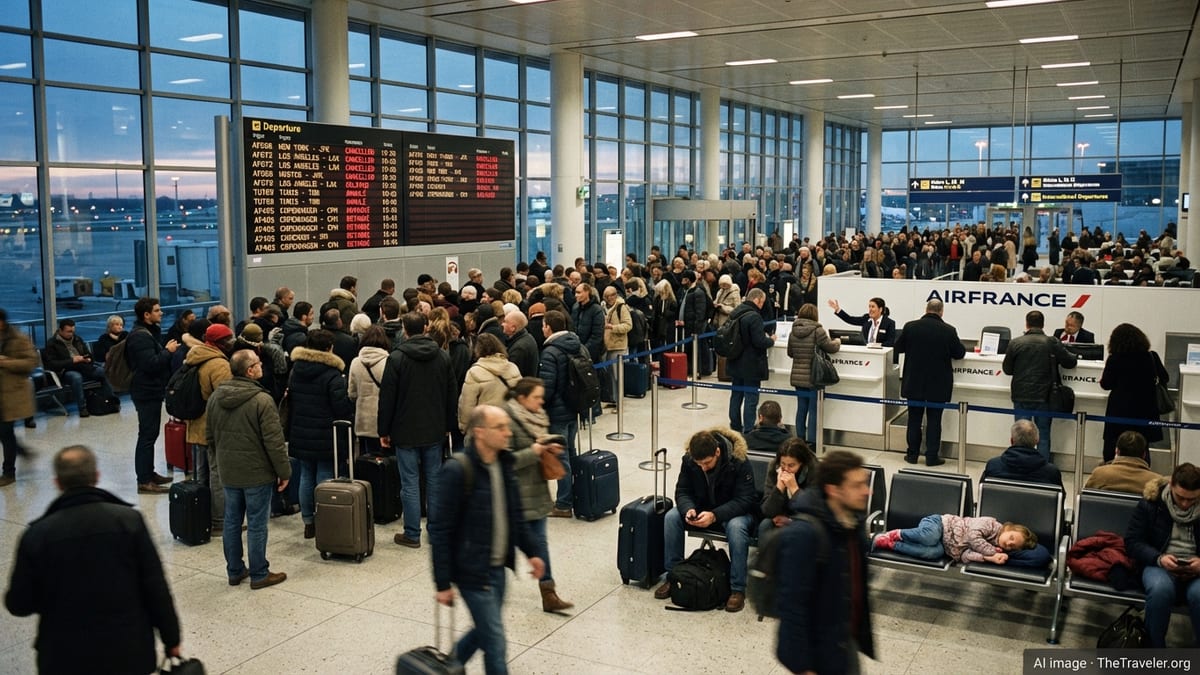
Disruptions Ripple Across Key European Hubs
Publicly available flight tracking data and industry coverage indicate that large parts of Europe’s air network have been operating under significant strain, with delays and cancellations concentrated at major hubs such as Amsterdam, Paris, Zurich and Barcelona. The cumulative impact has resulted in thousands of passengers facing missed connections, overnight stays and rebooked itineraries.
Recent analyses of flight operations show that several European countries, including the Netherlands, France, Switzerland and Spain, have collectively recorded around 2,806 delays and 111 cancellations during the latest disruption window, affecting both intra-European and long haul services. Barcelona, Paris Charles de Gaulle and Amsterdam Schiphol are among the airports reporting some of the heaviest operational knock on effects.
Coverage from specialist travel outlets points to a pattern of rolling disruption across the continent in recent weeks, with different clusters of countries impacted on different days. Data for earlier events this spring and summer already highlighted widespread delays and cancellations stretching from the United Kingdom and the Netherlands to Germany, Italy and the Nordic countries, suggesting that the latest figures are part of a broader period of instability for European aviation.
While full causality for the most recent wave is still being assessed, previous episodes this year have been linked to a mix of adverse weather, staffing constraints, congestion at key hubs and industrial action in various parts of the network, all of which can cascade through the tightly scheduled European air traffic system.
Major Carriers Hit: easyJet, British Airways and KLM
The disruption has struck a broad mix of airlines, but data collated from flight status services and industry reporting shows that easyJet, British Airways and KLM are among the most affected on the current and recent high impact days. These carriers operate dense European networks built around major hub or focus airports, leaving them exposed when those nodes experience bottlenecks.
Earlier comparative reports on European airline performance in 2026 have already placed easyJet, British Airways and Air France in the middle of the pack on cancellation rates, but with significant absolute numbers of delayed flights when network wide disruptions arise. This means that even relatively modest percentages can translate into hundreds of affected services on busy travel days.
On the latest day of major disruption, monitoring of operations shows that KLM alone logged more than one hundred delays and several cancellations, primarily centered on Amsterdam Schiphol. British Airways and easyJet have both been listed among the carriers reporting dozens of delayed flights, with some services cut entirely, particularly where aircraft and crew could not be repositioned in time.
Beyond these headline names, a range of other airlines, from full service flag carriers to low cost operators, have seen schedules dented. Network effects mean that problems in one part of Europe often spill into another, with knock on delays spreading to routes that do not directly touch the hardest hit airports.
Barcelona, Paris and Amsterdam Among Worst Affected Airports
Airport level statistics compiled from operational data highlight Barcelona, Paris Charles de Gaulle and Amsterdam Schiphol as key hotspots in the current disruption pattern. On recent severe days earlier this season, Barcelona alone registered close to 20 cancellations and more than 100 delays, according to travel industry summaries, while Paris Charles de Gaulle and Amsterdam Schiphol each reported substantial numbers of late and cancelled flights.
Amsterdam has repeatedly emerged as one of the most vulnerable nodes when European air travel comes under pressure. Previous episodes this year saw winter weather at Schiphol lead to hundreds of cancellations in a single 24 hour period, with KLM forced to trim its schedule heavily, and knock on effects for connecting traffic across the network.
Paris Charles de Gaulle has similarly experienced waves of disruption tied to weather and congestion, and is often affected when air traffic control capacity in French airspace is reduced. Historical data from European network reports shows that Paris and Barcelona routinely rank among the airports with the highest average delays during strike or weather related events.
In Spain, Barcelona’s role as a major Mediterranean hub means that delays and cancellations there quickly ripple into other leisure destinations and regional airports. Travellers on routes linking Barcelona with London, Amsterdam, Paris and other key cities have reported missed connections and last minute rebookings as airlines seek to stabilize schedules.
Industrial Action, Weather and Airspace Constraints Behind the Numbers
Although the precise mix of causes for the latest tally of 2,806 delays and 111 cancellations varies by country and airline, recent months have seen three recurring themes in Europe: industrial action, challenging weather and constrained airspace or airport capacity.
Industrial disputes have had a visible impact at several points in the year. A notable example was a recent wildcat action by air traffic control staff in Belgium that led to the cancellation of hundreds of flights within just a few hours, illustrating how sensitive the network is to sudden reductions in staffing or capacity at key control centers. Separate strike actions in France have also periodically affected overflights and services transiting French airspace.
Weather has been another destabilizing factor. Early in the year, heavy snowfall in the Netherlands and parts of France forced large numbers of cancellations and lengthy delays, with Schiphol facing major backlogs and Paris Charles de Gaulle recording dozens of scrapped departures and average departure delays of more than half an hour. Even when conditions improve, aircraft and crew can remain out of position for days.
Infrastructure and airspace capacity constraints compound these challenges. When a hub airport or a busy national airspace segment is running close to maximum capacity, even minor issues can cause a chain reaction of missed slots and delayed departures. European network briefings have repeatedly noted that strikes and weather incidents at major hubs like Barcelona, Paris and Madrid can quickly generate elevated average delays per flight across the wider continent.
Stranded Travellers Face Long Queues, Rebookings and Extra Costs
For passengers caught up in the latest wave of disruption, the headline numbers translate into long queues at customer service desks, extensive waits for rebooking and, in some cases, unplanned overnight stays. Reports from previous incidents this year describe travellers spending hours in terminal lines, racing between gates for scarce alternative flights and seeking refunds or compensation where applicable under European passenger rights regulations.
Travel industry coverage and past case studies show that when cancellations occur at short notice, it is not uncommon for passengers to be offered alternative flights departing many hours or even a full day later, particularly on busy routes or when capacity is already tight. In some previous episodes involving easyJet and other carriers, travellers who missed or lost flights due to delays in airport processes reported being stranded overnight and incurring significant out of pocket expenses to find accommodation and replacement routes home.
Consumer advocates regularly advise passengers to check their airline’s disruption policies in advance, keep receipts for food and accommodation, and to make use of online self service tools where available to secure new flights more quickly. Current travel alerts from major carriers such as KLM emphasize that customers whose flights are delayed by several hours or cancelled outright can in many cases request rebooking or refunds.
With the peak summer travel period approaching, aviation analysts note that the recent sequence of events, culminating in thousands of delays and more than one hundred cancellations in a single day across multiple European countries, underlines the importance for travellers of monitoring flight status closely, allowing extra time for connections and being prepared for sudden changes to their plans.