


More news on this day
British travellers are being urged to avoid trips to Iran and Syria after the UK government reinforced its highest-level warnings for both destinations, citing a serious risk of attacks and rapidly deteriorating regional security.
Get the latest news straight to your inbox!
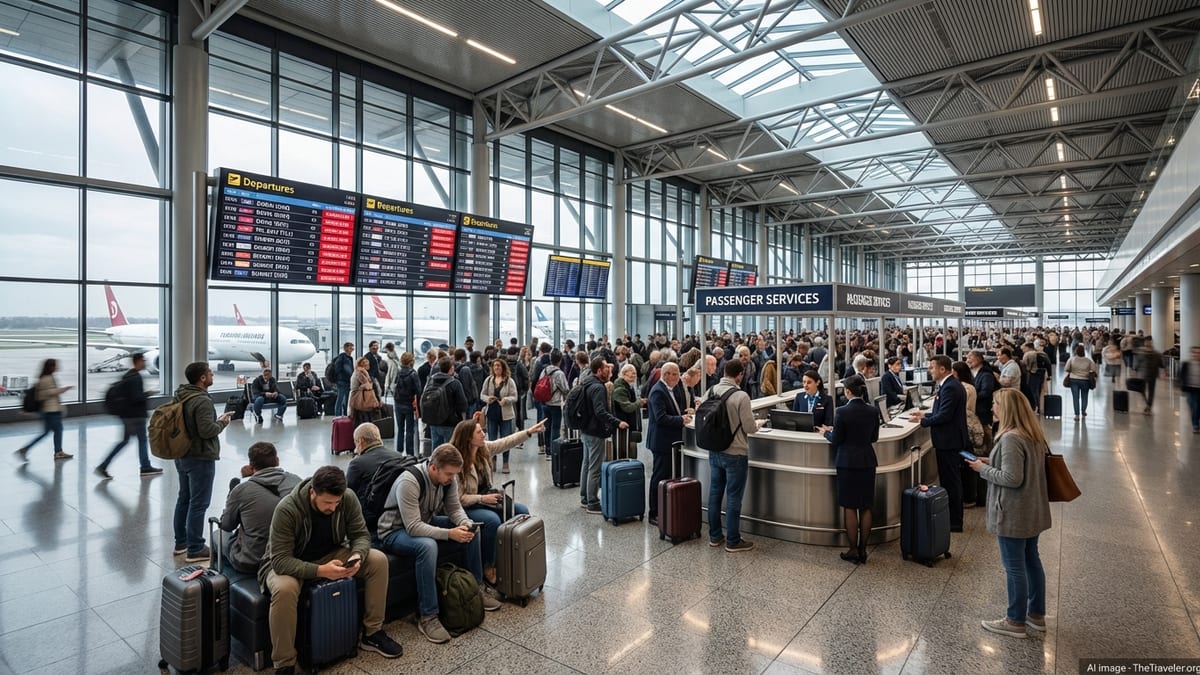
Foreign Office raises alarm over growing regional volatility
Updated travel advisories published in recent days highlight that the Foreign, Commonwealth and Development Office now advises against all travel to both Iran and Syria, reflecting concern about the security outlook and the potential for further violence across the Middle East. Publicly available guidance notes that British nationals in the region could face sudden disruption, including airport closures, flight cancellations and localised lockdowns, as tensions remain elevated.
Officials reviewing the risk picture have pointed to the possibility of further strikes and retaliatory attacks in several countries, with reference to recent incidents involving Iranian-linked actors and military targets. The concern is that civilians and foreign visitors may be indirectly exposed to these events, particularly in urban centres and around strategic infrastructure.
For both Iran and Syria, the government’s position is that the threat environment has crossed the threshold at which ordinary leisure or business travel is considered too dangerous. The advisories emphasise that anyone choosing to enter these countries despite the warnings is likely to face limited consular support on the ground and could find standard travel insurance cover invalidated.
Travel industry observers note that the reinforced guidance comes during the busy late-summer getaway period, when many British holidaymakers are finalising trips. Specialist operators that had cautiously resumed small-group itineraries in parts of the region over recent years are now reassessing departures, with some already suspending tours or rerouting clients.
Why Iran is considered high risk for British travellers
Iran has featured on lists of high-risk destinations for British nationals for some time, but the latest advisory language goes further in stressing the dangers facing visitors, particularly those with UK ties. Public guidance highlights a sustained risk of arbitrary detention and questioning, as well as the broader impact of protests, political tensions and the ongoing regional conflict.
Recent coverage of the situation notes that Iranian territory has been directly involved in a wider confrontation, with missile and drone activity raising fears of miscalculation and further escalation. In such a setting, experts warn that airports, border crossings and major roads could close at short notice, leaving foreign nationals with few reliable exit options.
Large-scale demonstrations and a heavy security presence in key cities also contribute to the sense of unpredictability. Crowd-control measures, internet restrictions and local curfews have been reported at various points over the past two years, creating challenges for communication and movement even for residents, let alone short-term visitors.
Given these conditions, many insurers classify travel to Iran as a prohibited activity when it directly contradicts government advice. Travellers who proceed regardless may find that medical evacuation, cancellation cover and personal liability protection do not apply if an incident occurs within the country or while transiting its airspace.
Persistent conflict keeps Syria off‑limits
Syria remains one of the most dangerous environments in the world for civilians, and the strengthened guidance against any travel underscores that this has not changed, despite a lower international media profile in recent months. Large parts of the country are still affected by active conflict, fragmented control, unexploded ordnance and heavily damaged infrastructure.
Publicly available information describes a high likelihood of attacks involving artillery, air strikes, improvised explosive devices and targeted violence. These risks are compounded by criminal activity, kidnappings and a patchwork of checkpoints where foreign nationals may be subject to scrutiny by different armed groups.
The lack of comprehensive consular access is another key factor. The United Kingdom has no routine diplomatic presence in much of Syria, and neighbouring countries are managing complex security and humanitarian dynamics at their own borders. In practice, this means that if a British traveller encounters difficulty inside Syria, options for assistance are extremely limited.
Air connectivity to and from Syria also remains constrained, and overland routes are affected by the broader regional security picture. Analysts point out that any sudden flare-up along the borders with Turkey, Iraq, Jordan, Lebanon or Israel could further restrict movement, leaving travellers stranded or forced to take unsafe detours.
What the warnings mean for holidaymakers and travel businesses
The “against all travel” classification for Iran and Syria is the strongest level of advice issued by the UK government and carries important practical implications. Airlines, tour operators and cruise lines typically treat this threshold as a trigger to suspend services, reroute itineraries or offer customers alternative options.
Package holidaymakers whose trips are cancelled because of government advice are generally entitled to refunds or rebooking, depending on the terms of their travel provider. Independent travellers, however, may face more complex negotiations with airlines and accommodation providers, particularly where tickets and bookings are non-refundable.
Specialist operators that had been offering cultural, religious or historical tours in neighbouring countries are revisiting risk assessments to evaluate knock-on effects. Some are adjusting overflight routes and ground itineraries to avoid border regions and areas identified as vulnerable to spillover incidents, while others are pausing sales pending further clarity on the security outlook.
Consumer advocates urge prospective travellers to check Foreign Office advisories at the planning stage and again immediately before departure, as the risk level for certain destinations can change with little notice. Flexible booking conditions, clear cancellation policies and comprehensive insurance that responds to official warnings are increasingly seen as key components of responsible travel planning.
How British travellers can navigate a shifting security landscape
For many British travellers, the strengthened warnings on Iran and Syria are a reminder that geopolitical tensions can affect trip plans far beyond the immediate conflict zones. Security analysts suggest that those considering journeys anywhere in the wider region should monitor reputable news outlets, review government advice regularly and be prepared to adjust itineraries if the situation deteriorates.
Travel planners recommend building additional resilience into arrangements by favouring refundable fares, choosing hotels with flexible cancellation windows and registering for destination-specific email alerts where available. Doing so can help travellers receive timely updates if advisories are tightened or transport disruption becomes likely.
Those already holding bookings that involve transits through the Middle East are advised to review their tickets carefully to understand rerouting options should an airline need to change flight paths or schedules at short notice. Some carriers have previously altered routes to avoid certain airspaces during periods of heightened tension, occasionally leading to longer flight times or missed connections.
Industry observers note that while Iran and Syria are firmly off the recommended list, most of the world remains open to British travellers. The key message from publicly available guidance is that destination choices should be made with an informed understanding of local security conditions, a realistic assessment of personal risk tolerance and a willingness to adapt plans quickly if circumstances shift.