


More news on this day
Western Sydney International (Nancy-Bird Walton) Airport is moving into its final testing phase ahead of a planned opening to passengers in October 2026, with publicly available information pointing to round-the-clock operations, capacity for up to 10 million travellers a year and a multibillion-dollar boost to tourism and trade across Australia’s largest city.
Get the latest news straight to your inbox!
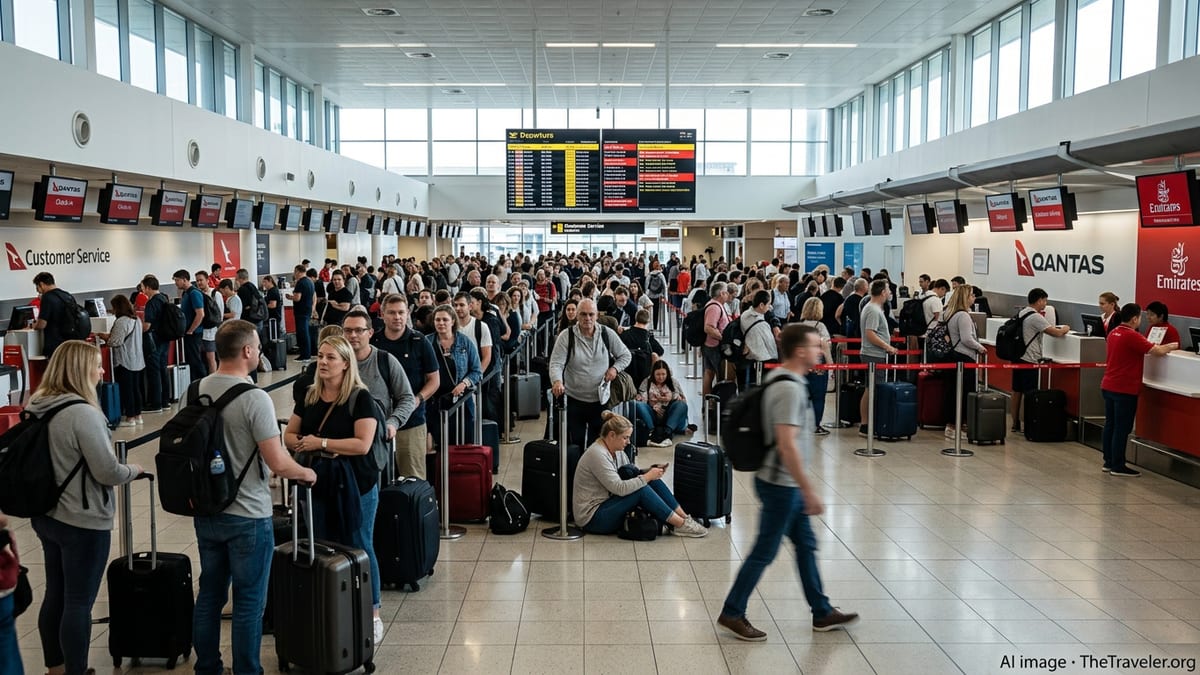
Curfew-free operations to reshape Sydney’s skies
The new Western Sydney hub is being developed as a full-service international and domestic airport designed to operate 24 hours a day, free from the long-standing night-time curfew that restricts flights at Sydney’s existing Kingsford Smith Airport at Mascot. Airport planning documents and recent government material indicate that once services begin in the second half of 2026, Western Sydney International will be able to schedule departures and arrivals at any hour, positioning it as one of the few major Australian airports with unrestricted operating hours.
Reports indicate that cargo flights are expected to begin in July 2026, providing several months of freight-only operations before the first passenger services in October. This staged approach is intended to allow aviation authorities and airport management to test systems, refine airspace procedures and scale up ground operations ahead of peak holiday travel later in the year.
According to project briefings and published aviation analysis, a single 3.7 kilometre runway and an integrated domestic and international terminal will anchor the airport’s first stage. The design is focused on rapid turnaround times and high efficiency at the gates, with terminal facilities, taxiways and aprons planned to support continuous operations across all hours.
The curfew-free status is expected to be a key differentiator in airline scheduling. Industry commentary suggests that long-haul carriers may use Western Sydney International for late-night and early-morning departures that are difficult to secure at Mascot, while low-cost and regional airlines may opt for off-peak slots to maximise aircraft utilisation and reduce congestion-related delays.
Ten million passengers in stage one, with room to grow
Government documents and airport planning summaries state that Western Sydney International’s initial stage is being built to handle up to 10 million passengers per year. Technical papers released during the environmental assessment phase describe this as the first step in a long-term master plan that ultimately allows for multiple runways and capacity in the tens of millions of passengers annually.
Economic assessments prepared for the project outline expectations that passenger numbers will build over the first decade of operations as airlines progressively add routes and frequencies. Forecasts referenced in public reports anticipate that demand will be driven by a combination of domestic leisure and business travel, visiting friends and relatives across the region’s rapidly growing suburbs, and an expanding roster of international services tied to the airport’s 24/7 operating model.
The terminal itself has been designed as an integrated facility, meaning domestic and international operations share a single building rather than being split into separate terminals. Publicly available information on the layout indicates that this arrangement is intended to streamline transfers between regional, domestic trunk and overseas flights, and to reduce walking distances for passengers connecting through Western Sydney.
Planning material also highlights substantial provision for future expansion, including space for additional piers, gates and supporting infrastructure once traffic approaches the upper limits of the initial 10 million passenger capacity. This staged development approach is expected to allow the airport to scale alongside growth in Western Sydney’s population and the broader New South Wales economy.
Tourism gateway for Western Sydney and beyond
Tourism agencies and local councils have long argued that Western Sydney’s attractions are under-represented in visitor itineraries, despite the region’s cultural precincts, national parks and growing events calendar. With a major airport located at Badgerys Creek, around 44 kilometres west of Sydney’s central business district, industry observers expect more travellers to begin and end their trips in the western suburbs rather than in the traditional harbourside tourism core.
Destination marketing plans referenced in regional development strategies point to opportunities for new touring routes that link the airport with the Blue Mountains, Hunter Valley and coastal destinations via Western Sydney’s expanding network of motorways. The location places many inland and regional centres within easy reach of same-day road connections, which tourism operators suggest could support short-break packages and fly-drive holidays.
Analysts also note that a second international gateway for Sydney may help disperse visitor flows across the metropolitan area. By offering new entry points and potentially more competitive fares, the Western Sydney airport is expected to appeal to price-sensitive holidaymakers and families, while premium carriers may target connecting traffic between Asia, Europe and regional Australia using curfew-free late-night banks of flights.
The airport’s terminal design, showcased in recent media coverage, emphasises natural light, spacious departure halls and a retail and dining mix that planners say is geared toward both local residents and international visitors. This is expected to create additional hospitality and retail employment in the region, reinforcing Western Sydney’s role as a tourism and lifestyle hub in its own right.
Freight, trade and logistics at the heart of the project
In addition to passenger services, Western Sydney International is being positioned as a logistics and trade powerhouse for New South Wales. Official summaries from federal agencies describe freight facilities that are planned to commence operations several months before passenger flights, giving exporters and importers earlier access to new air cargo capacity.
Economic impact assessments prepared for the airport’s environmental approvals point to strong demand from sectors such as fresh food, pharmaceuticals, e-commerce and high-value manufactured goods. These reports indicate that a 24/7 freight operation at Badgerys Creek will allow exporters to better align dispatch times with overseas markets, especially in Asia, where overnight and early-morning deliveries are increasingly important.
The airport sits within the broader Western Sydney Aerotropolis planning area, a large zone earmarked for advanced manufacturing, logistics, agribusiness and technology precincts. Public planning documents propose that companies locating in the Aerotropolis will benefit from immediate proximity to the runway, as well as to new motorway links and, eventually, metro rail connections.
Industry commentary suggests that the combination of unconstrained airside operations and adjacent industrial land could reshape supply chains for Greater Sydney, shifting some freight movements away from the existing airport and inner-city warehouse districts toward purpose-built facilities in the west. This shift is expected to generate thousands of jobs over time and support broader trade growth for New South Wales.
Infrastructure connections and regional economic impact
To integrate the new airport into Sydney’s transport network, governments at state and federal level have committed to a suite of road and rail projects. Construction has been progressing on the Sydney Metro Western Sydney Airport line, planned to link the airport with nearby centres such as St Marys, while upgrades to surrounding motorways and local roads are intended to accommodate increased car, bus and freight traffic.
Recent coverage in local media has noted that the metro line’s opening may lag behind the start of passenger flights, leading transport planners to highlight the role of buses, park-and-ride facilities and motorway access during the early years of airport operations. Even with this staged approach to public transport, regional planning papers forecast that the airport will significantly improve connectivity for residents and businesses across Western Sydney.
Economic modelling prepared for federal agencies estimates that the airport and its surrounding precincts will support tens of thousands of direct and indirect jobs over coming decades, spanning construction, aviation, logistics, tourism, retail and professional services. Proponents of the project argue that this growth will help balance employment opportunities across Greater Sydney, reducing the need for long commutes into the eastern suburbs and central business district.
As testing and commissioning continue through 2026, attention in the aviation and tourism sectors is turning to airline route announcements, terminal fit-outs and community engagement on flight paths and ground transport. With passenger flights scheduled to begin in October 2026 and the promise of 24/7 operations, Western Sydney International is being watched closely as a transformative project for Australia’s aviation landscape and the economic future of its largest city.