


More news on this day
Budapest’s Sziget Festival is consolidating its position as one of Europe’s most influential tourism drivers, with the multi day event on Óbuda Island helping to extend summer stays, fill hotels and highlight the Hungarian capital as a standalone city break for international visitors.
Get the latest news straight to your inbox!
Island of Freedom Anchors Budapest’s Global Festival Brand
Staged on Óbuda Island in the Danube, Sziget has grown from a local gathering into a large scale international festival that now defines Budapest’s global summer image. The six day event is typically held in early August and markets itself as the Island of Freedom, with a strong emphasis on music, arts and cultural diversity. Publicly available information from organizers describes Sziget as a major live music and cultural event in the heart of the city, accessible via bridges and river services that connect the island to surrounding districts.
The festival’s location is central to its tourism pull. Óbuda Island lies just north of Margaret Island and is framed by residential neighborhoods, tram lines and city transport hubs, allowing visitors to combine festival days with urban sightseeing. Event information highlights that the site covers more than 100 hectares of parkland, giving space for multiple stages, food streets, art zones and camping, and allowing the festival to operate at a scale comparable with leading European open air events.
Sziget’s programming has also pushed Budapest onto the global touring map. Recent editions have featured a mix of international headliners from pop, rock and electronic music alongside regional acts. Promotional materials for upcoming festivals continue to emphasize high profile names and multi genre lineups, positioning Budapest as a must visit stop for artists and fans who plan their travel calendars around European festival circuits.
Visitor Numbers Translate Into Extended City Stays
Recent information from Sziget’s sustainability and impact reporting indicates that the festival attracts several hundred thousand visit entries across its run, with a significant share of the audience arriving from outside Hungary. Data from earlier editions shows that more than one third of festivalgoers choose to stay outside the island in hotels, apartments or hostels across the city, directly linking the event to increased accommodation demand.
The same reporting points to extended length of stay in Budapest and across Hungary. On average, visitors spend additional days in the country both before and after the festival, often using the capital as a base for excursions to thermal baths, wine regions and Danube Bend towns. Tourism analysts note that this pattern aligns with broader European trends in which major festivals function as anchors for longer, experience based holidays rather than stand alone weekend trips.
Local transport and mobility data further underline the link between Sziget and citywide tourism activity. Public transport updates ahead of recent editions have detailed temporary traffic changes, increased service frequencies and road restrictions around Óbuda Island, reflecting the surge in daily festival arrivals. These adjustments typically cover a period extending beyond the event dates, as organizers require time for build up and breakdown, keeping visitor flows high in the area for several weeks.
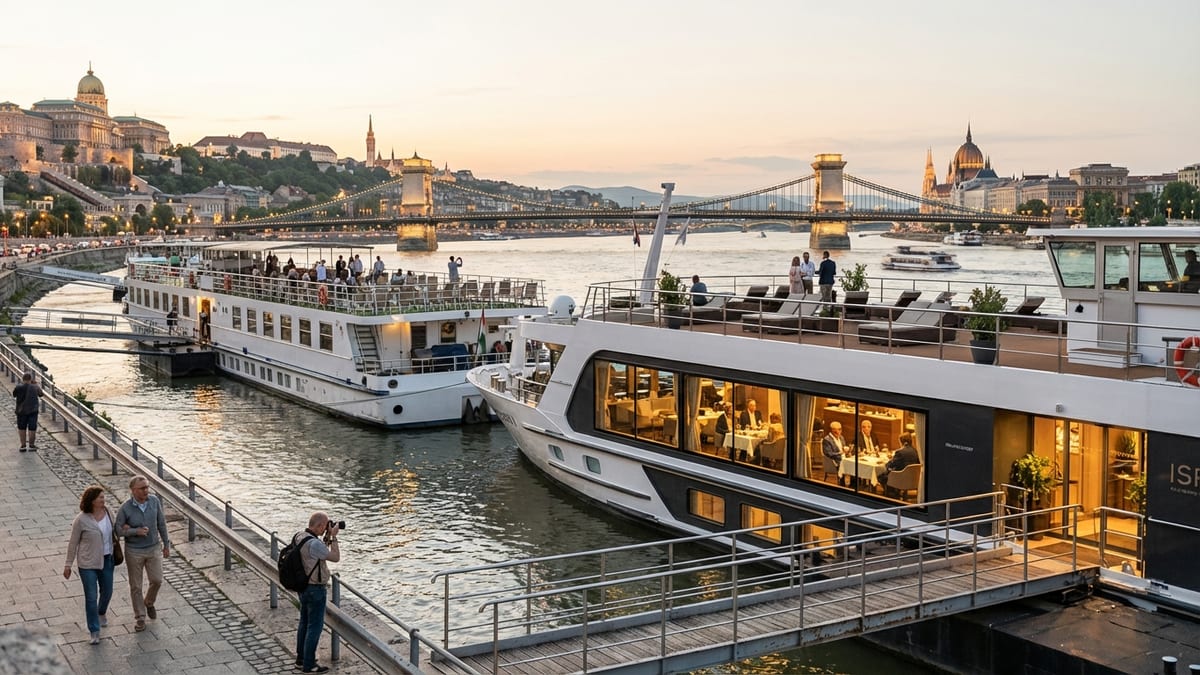
Travel agencies and specialist operators have also responded to sustained demand. Package providers promote combined Sziget tickets with accommodation and guided city experiences, presenting Budapest as both a festival and cultural destination. These offerings often highlight key attractions such as the historic Castle District, ruin bars, riverfront promenades and spa complexes as natural extensions to time spent on the island.
Budapest Tourism Partners Build Festival-City Synergies
Sziget’s impact on tourism is increasingly visible in the partnerships that surround the event. The festival collaborates with Budapest’s tourism stakeholders on initiatives that encourage visitors to explore beyond the island, including city cards that bundle public transport and discounted entry to museums, attractions and cruises. Documentation on these programs lists dozens of participating venues across the capital, from cultural institutions to leisure facilities.
These partnerships are designed to convert festival attendance into broader urban exploration. Card holders are encouraged to visit riverfront viewpoints, architectural landmarks and contemporary cultural venues during off hours, helping to distribute visitor spending beyond the immediate festival perimeter. This approach also aligns with longer term strategies to position Budapest as a year round city break destination, using Sziget’s global recognition as a powerful seasonal hook.
Urban planners and local communication from district authorities frequently reference the festival when discussing summer activity on Óbuda Island. Guidance on road closures, parking and access for recent editions has been accompanied by messaging about alternative routes to reach other parts of Budapest, underscoring how the event is woven into citywide mobility planning. For travelers, this means that information about Sziget is often integrated into broader updates on visiting the city during peak months.
Hospitality businesses also benefit from the synergies. Hotels and guesthouses commonly reference festival dates in their seasonal marketing, while restaurants and nightlife districts see increased footfall from visitors who combine daytime sets on the island with evenings in the city. Industry observers note that this pattern allows Budapest to compete more directly with other European capitals that host destination festivals, such as Berlin, Lisbon and Barcelona.
New Travel Products and Sustainable Access Routes
In recent seasons, organizers and partners have introduced more structured travel options that connect Sziget to key source markets. Official channels promote curated routes from cities such as Vienna, along with rail and coach packages that emphasize low cost and lower impact travel modes. Some campaigns encourage visitors to follow the Danube corridor on their way to Budapest, turning the journey itself into part of the overall experience.
The festival’s travel pages place particular emphasis on public transport, bicycle access and shuttle services linking major railway stations, airports and the island. This focus aligns with growing traveler interest in sustainable mobility and responds to concerns about congestion around the festival site. For the city, each new route that prioritizes trains, buses and bikes can help reduce pressure on local roads and parking during the peak of the summer high season.
Accommodation providers have adapted to these patterns by bundling overnight stays with transit passes or festival related extras. Packages marketed through specialist travel platforms often include multi day tickets, city transport cards and optional excursions, catering to visitors who prefer a single booking for both Sziget and Budapest sightseeing. As a result, the festival increasingly functions as the centerpiece of curated holidays that begin and end in the capital.
Industry commentators suggest that the evolution of these travel products reflects a maturing relationship between Sziget and Budapest tourism. What began as individual travelers arranging their own trips has developed into an ecosystem of integrated offers, with the festival acting as a recognized driver for inbound summer demand.
Looking Ahead to Future Editions on Óbuda Island
Forward looking information about upcoming Sziget editions confirms that the festival will continue to occupy Óbuda Island in early August, reinforcing its role as a fixture of Budapest’s tourism calendar. Dates for future events are being promoted more than a year in advance, allowing airlines, hotels and tour operators to plan capacity and pricing strategies around anticipated demand surges.
Observers note that the festival’s continued presence on the Danube island has implications for long term urban development. As Budapest invests in riverfront regeneration, transport infrastructure and cultural offerings, Sziget can serve as both a testing ground and showcase for how the city manages high density visitor periods. Discussions around sustainability, noise management and community impact are likely to remain prominent as attendance levels hold steady or grow.
For travelers, the outlook points to a sustained blend of destination festival and city break. The combination of a large scale open air event, an atmospheric river island setting and easy access to historic neighborhoods gives Budapest a distinctive proposition within Europe’s crowded summer calendar. As long as Sziget continues to attract international lineups and audiences, the festival is expected to remain a key engine of tourism growth for the Hungarian capital, drawing new visitors to discover the city around the Island of Freedom.