


More news on this day
The Taliban administration has rejected a fresh United States Level 4 “Do Not Travel” advisory for Afghanistan, insisting the country is safe for foreign nationals even as Washington and several allies reiterate that security, political and humanitarian risks make travel to the country inadvisable for their citizens.
Get the latest news straight to your inbox!
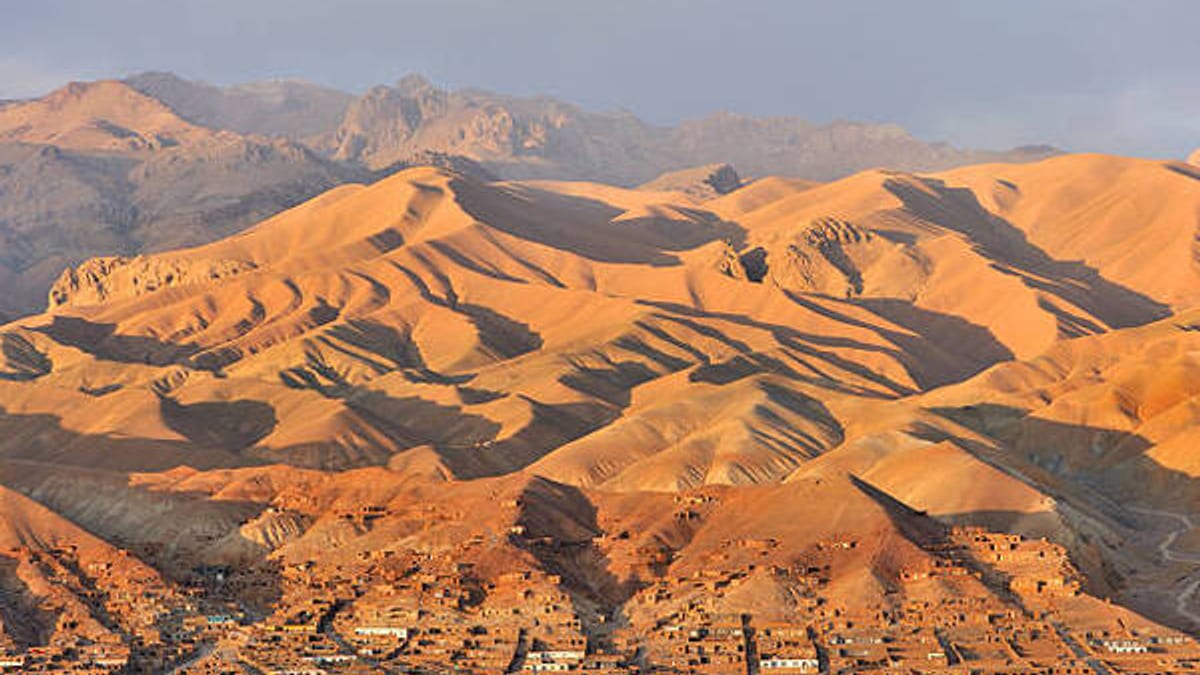
U.S. Renews Level 4 Travel Advisory for Afghanistan
The latest U.S. travel advisory for Afghanistan, updated in February 2026, keeps the country at Level 4, the highest warning level, and urges American citizens not to visit for any reason. Publicly available State Department guidance cites civil unrest, crime, terrorism, risk of wrongful detention, kidnapping, natural disasters and limited health facilities among the key factors behind the warning. The advisory also underscores that the United States cannot provide routine or emergency consular services on Afghan territory after suspending embassy operations in Kabul in 2021.
The advisory further stresses that U.S. citizens already in Afghanistan are strongly encouraged to leave as soon as they can do so safely. Contact details are provided for travelers seeking assistance to depart, reflecting an ongoing policy of discouraging discretionary trips and prioritizing evacuation or relocation efforts for those who remain. Separate judicial assistance information issued by U.S. authorities reiterates that travel is not recommended and notes that American nationals held in detention face highly constrained access to medical care and external monitoring.
The renewed notice places Afghanistan among a small group of countries worldwide that carry the most restrictive U.S. rating. According to public-facing summaries of travel advisories, Afghanistan has been consistently categorized at Level 4 since the Taliban returned to power in August 2021, reflecting Washington’s assessment that security conditions, governance structures and humanitarian indicators do not currently support safe tourism or routine business travel.
Taliban Rejects Warning and Promotes Image of Stability
The Taliban administration, which refers to itself as the Islamic Emirate of Afghanistan, has publicly rejected the latest U.S. warning. Statements carried by Afghan media report that Taliban representatives describe the advisory as unjustified and claim there is no security threat to foreign nationals in the country. Messaging from Kabul highlights what the authorities present as an improvement in nationwide security since the end of large-scale conflict, and frames foreign travel notices as politically motivated.
Local coverage indicates that the Taliban has repeatedly argued that Afghanistan is more stable than at any point in recent decades and has called on foreign governments to revise or lift their warnings. Officials in Kabul frequently link security claims to broader efforts to secure international recognition, attract investment and revive tourism, including the promotion of historical sites and natural landscapes that were popular with visitors before years of conflict and sanctions.
The rejection of Western travel advisories forms part of a wider push by the Taliban leadership to present Afghanistan as open for business and safe for engagement. However, these assertions continue to sit in sharp contrast with the assessments of foreign ministries and international organizations, which point to persistent militant activity, sporadic attacks and structural restrictions on basic rights as major obstacles to routine travel.
Western Governments Maintain Broad Bans on Travel
The United States is not alone in advising its citizens against travel to Afghanistan. Public guidance from the United Kingdom’s Foreign, Commonwealth and Development Office states that all travel to Afghanistan is strongly discouraged, emphasizing an ongoing risk of terrorism, arbitrary detention and a lack of reliable consular access. Similar notices from Canada, Germany and other European states maintain that their embassies are not operating in Kabul and that they have only limited ability to assist nationals who choose to enter the country.
Australia’s Smartraveller service also categorizes Afghanistan under its strictest warning level, explicitly instructing citizens not to travel due to what it describes as an extremely dangerous security environment. The advisory points to a high threat of terrorism, kidnapping and armed conflict, and notes that attacks can occur with little or no warning in cities including Kabul and Kandahar. It also highlights the presence of unexploded ordnance and improvised explosive devices in rural areas and along key routes, adding further complexity for overland movement.
These aligned positions among Western governments reflect a shared risk calculus that prioritizes citizen safety over any potential opportunity for tourism or short-term commercial travel. Public information from risk and security briefings compiled for humanitarian and academic travelers continues to rate Afghanistan as a high or very high risk destination, referencing both security threats and rapidly evolving local regulations.
Travel Realities: Consular Gaps, Security Risks and Gender Restrictions
For prospective travelers, the most immediate practical issue is the near-total absence of direct consular support. With U.S. and many European embassies closed, citizens of those countries who enter Afghanistan may have to rely on remote assistance from embassies located in neighboring states, a process that public guidance warns can be slow, constrained and, in some situations, impossible. Reports also note that the Taliban does not permit U.S. representatives to conduct welfare checks on detained Americans, limiting oversight of detention conditions.
Security conditions remain a central concern, even as large-scale front-line combat has ended. Published assessments by foreign governments and international risk monitors point to the presence of armed groups hostile to the Taliban authorities, sporadic attacks in Kabul and other cities, and the continued risk posed by extremist organizations targeting both domestic and foreign interests. Combined with the widespread availability of weapons, these factors have led multiple advisory services to conclude that there is no part of the country that can be considered reliably safe for foreign travelers.
Severe restrictions on women and girls, including limitations on movement, work and education, pose additional hurdles for travel. Publicly available United Nations and human rights reporting describes a gendered system of rules that can affect how women travelers are treated at checkpoints, in accommodation or in any interactions with local institutions. Many Western advisories explicitly reference these policies when explaining why they do not consider Afghanistan suitable for leisure or independent travel, particularly for women.
Implications for International Engagement and Future Travel
The dispute over the travel advisory underscores the broader disconnect between the Taliban’s desire for increased recognition and the deep concerns that continue to shape Western policy. While some governments and organizations have initiated limited technical or humanitarian contacts with Kabul, the combination of security issues, human rights conditions and the absence of formal recognition keeps large-scale tourism and nonessential visits off the table for most states.
For international travelers, the result is a patchwork of stringent national restrictions and airline policies that mirror government warnings. Many commercial carriers have not resumed regular passenger flights to Kabul, and insurance providers often exclude coverage for trips to destinations under Level 4 or equivalent warnings. Industry guidance available to travel planners notes that the lack of comprehensive coverage for medical evacuation, security incidents or cancellation claims significantly increases personal and financial risk for any would-be visitor.
Looking ahead, any substantial shift in travel advice will likely depend on verifiable improvements in security conditions, counterterrorism cooperation and human rights protections, as well as on the re-establishment of basic consular footprints. Until such changes occur, available public information suggests that Afghanistan will remain classified as a destination that most travelers are strongly advised to avoid, regardless of Kabul’s public assurances about safety.