


More news on this day
For years, I was convinced cruising was not for me, picturing crowded decks, rigid schedules and a constant sense of being trapped at sea. Yet as cruise lines expanded itineraries and revamped onboard experiences in recent years, reports indicated that many hesitant travelers were giving ships a second look. When I finally joined them and boarded my first voyage in 2026, six unexpected realities challenged almost everything I thought I knew about life at sea.
Get the latest news straight to your inbox!
The Ship Felt More Like a Floating City Than a Boat
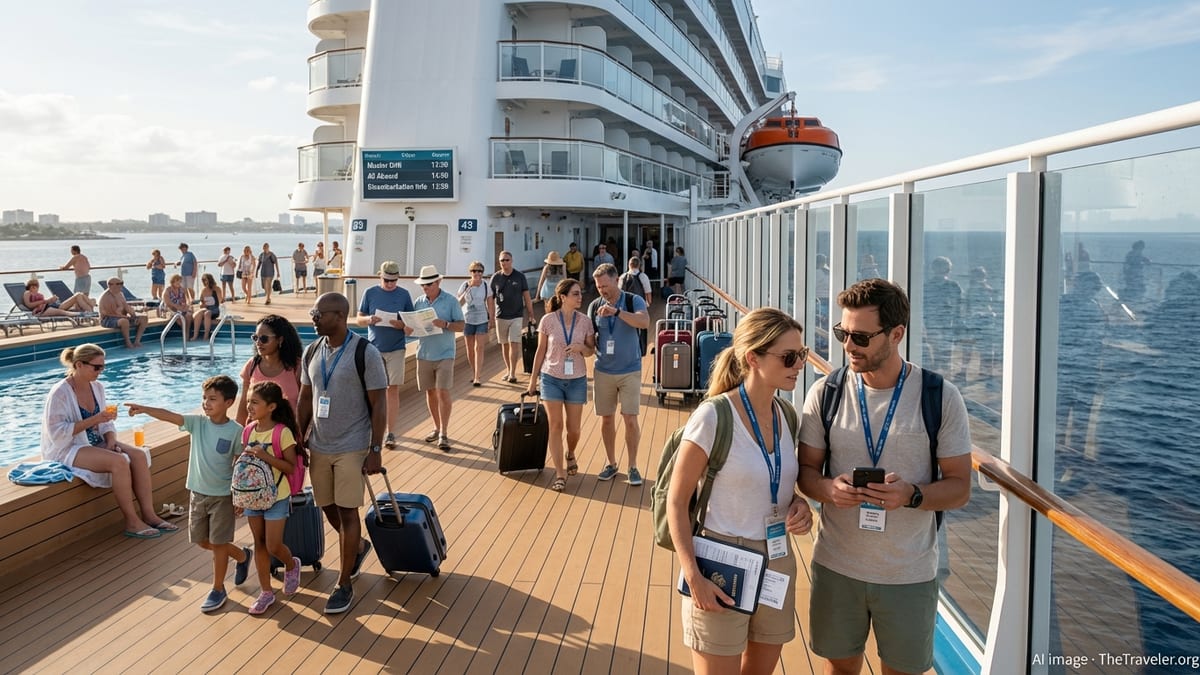
The first surprise came before the ship even left the pier. Stepping into the multi-level atrium, it was difficult to reconcile the scene with the modest vessel I had imagined. Contemporary ships are designed to function less as simple modes of transport and more as self-contained resorts, with promenades, music venues, family activities and quiet corners to match different types of travelers. Industry reports in recent years have emphasized that newer vessels are being built larger and with more varied spaces, and that reality was immediately visible on board.
Instead of narrow corridors and a single main lounge, the ship’s layout resembled a compact urban neighborhood. There were bars catering to different moods, a theater, casual and formal dining, and even a walking track above the pool deck. The design intent appeared to be dispersing people rather than concentrating them in one area, which undercut my fear that I would constantly feel hemmed in by crowds.
This sense of scale changed how “being at sea” felt. While the ocean views were always present from the outer decks, much of the interior experience mirrored a boutique shopping center or hotel complex. For someone wary of small spaces and rolling waves, that urban-style familiarity offered an unexpected layer of comfort.
The size of the ship also translated into more choice than expected. With multiple entertainment venues running parallel programs in the evening, it was possible to find a quieter show, a trivia game or simply a low-key bar, instead of joining the largest gatherings on board.
Crowds Were Manageable, Not Overwhelming
Another long-held concern was that cruising meant lining up for everything. Pre-trip research often focuses on peak travel periods and popular ships, and published advice for first-time passengers routinely warns about embarkation bottlenecks and buffet rushes. In practice, the experience proved more flexible than anticipated.
Staggered check-in windows and widespread use of cruise line apps have changed how guests move through embarkation and around the vessel. On this sailing, digital tools handled many of the tasks that once required standing in line, from seeing restaurant wait times to reserving show seats. According to recent coverage from cruise specialists, these investments were accelerated as lines sought to smooth operations and improve satisfaction among new guests.
Timing also mattered more than I expected. Early afternoon was indeed busy at the buffet and pool, but by walking one deck higher or choosing a smaller dining room, it was possible to sit down almost immediately. Off-peak breakfast and late lunches were noticeably calmer. Days in port, when many passengers went ashore on excursions, turned the ship into a quieter retreat for anyone staying on board.
Rather than feeling stuck in a crowd, I learned that the rhythm of the voyage had natural ebbs and flows. With a small amount of planning, it was easier than expected to claim quieter spaces, from a window seat in a secondary lounge to a nearly empty promenade during early-morning walks.
Onboard Costs Added Up Faster Than Expected
What surprised me most from a practical standpoint was the gap between the advertised fare and the final bill. Industry guidance for first-time cruisers often notes that modern ships function on a base-fare-plus model, pairing included dining and entertainment with a growing range of extra-cost options. Seeing that in real time brought those warnings into sharp focus.
The core elements were included: main dining room meals, buffet service, basic coffee and tea, theater shows and a variety of daily activities. However, specialty restaurants, premium coffee, alcoholic drinks, certain fitness classes, spa treatments and popular shore excursions were all priced separately. Reports from cruise-focused outlets frequently highlight how beverage packages and dining upgrades can quickly become major line items, and that pattern was evident on a voyage of only one week.
Digital statements available through the ship’s app made tracking spending easier, but they also revealed how quickly small charges accumulated. A specialty coffee in the morning, a mid-afternoon cocktail and a casual game in the arcade could push the daily total higher than anticipated, particularly for travelers used to all-inclusive resorts with simpler pricing.
This dynamic did not diminish the experience but reshaped how I thought about value. Planning a more realistic onboard budget, pre-purchasing only what made sense and leaving room for one or two splurge experiences emerged as key lessons, especially for travelers who approach cruising with cost concerns in mind.
The Variety of Passengers Challenged Old Stereotypes
Before boarding, I assumed cruises were geared primarily toward retirees or large family groups. That perception often shows up in mainstream commentary about ships as “floating retirement homes” or “theme parks at sea.” The demographic mix on this sailing painted a more nuanced picture that reflected broader trends reported in recent cruise industry surveys.
There were certainly multigenerational families and older couples, but they shared the ship with solo travelers, groups of friends in their 20s and 30s, and working-age guests using the voyage as a hybrid holiday with intermittent remote work. Recent industry data has indicated rising interest among younger adults and first-time passengers, a shift cruise lines have described through their investments in faster connectivity, casual dining and adventure-focused shore excursions.
This diversity affected the onboard atmosphere. Late-night venues skewed younger, quiet lounges during the day attracted readers and remote workers, and family zones concentrated higher-energy activity into a few well-marked areas. Instead of a single dominant age group setting the tone, the ship felt like a cross-section of contemporary travelers sharing a route but designing very different vacations.
For someone who had avoided cruises due to a sense that they catered to a narrow audience, the reality was unexpectedly inclusive. The range of ages, travel styles and budgets coexisting on one ship suggested that, at least on certain itineraries, cruising has broadened the type of guest it attracts.
Sea Days Were More Relaxing Than Claustrophobic
One of my strongest fears was the idea of full days at sea with nowhere else to go. Travel forums are filled with questions from nervous first-time passengers about feeling confined away from land. Yet the sea days on this itinerary offered some of the most restful hours of the trip.
The ship’s schedule on those days featured a dense list of activities, from lectures and cooking demonstrations to fitness classes and live music. According to planning guides published by major cruise lines, this programming is designed to ensure that passengers have options at almost every hour, especially on longer stretches between ports. In practice, that abundance of choice made it easy to dip in and out of events while still preserving unstructured time.
Equally important were the low-key spaces that do not appear prominently in marketing materials. A quiet corner in the library, a shaded deck chair overlooking the wake and an almost empty lounge in the late afternoon provided places to read or simply watch the horizon. The constant, slow change of sea and sky turned time that I had expected to feel repetitive into something closer to a moving retreat.
Rather than counting the hours until the next port, I found myself defending those sea days once the trip ended. For travelers anxious about feeling confined, knowing that the experience includes both curated activities and ample quiet space may make the idea of an extended voyage less daunting.
Technology Reduced Anxiety About the Unknowns
The final surprise was how much onboard technology eased first-time nerves. Reports over the last few years have documented how cruise operators rolled out apps and digital tools to manage everything from boarding times to restaurant queues and daily schedules. For a passenger apprehensive about getting lost, missing reservations or misunderstanding tipping practices, those tools functioned like a constantly available guide.
The app for this sailing displayed a live deck plan, showed which venues were open, allowed activities to be “favorited” for reminders and tracked the onboard account balance in real time. Daily schedules that once appeared only as printed leaflets in cabins were mirrored digitally, making it harder to miss trivia games, theater performances or port talks that looked appealing at the last minute.
That visibility extended to health and safety information, which has become a major focus since cruising resumed under updated protocols. Publicly available guidance about muster drills, medical facilities and itinerary changes was pushed directly through notifications and in-cabin television channels, reducing the need to queue at guest services with basic questions.
For someone who had avoided cruises for fear of feeling unprepared or out of their depth, the combination of modern ship design, more transparent pricing and increasingly robust digital tools provided an unexpected sense of control. While some long-standing concerns about crowds and costs proved valid in specific moments, the overall experience was more flexible and less intimidating than the image that had kept me on shore for so many years.