


More news on this day
Severe flash flooding across the Texas Hill Country has triggered emergency alerts, washed out roads and river crossings, and created cascading disruptions for travelers relying on airport transfers, rental cars, and resort shuttles well beyond the relatively modest flight delays reported so far.
Get the latest news straight to your inbox!
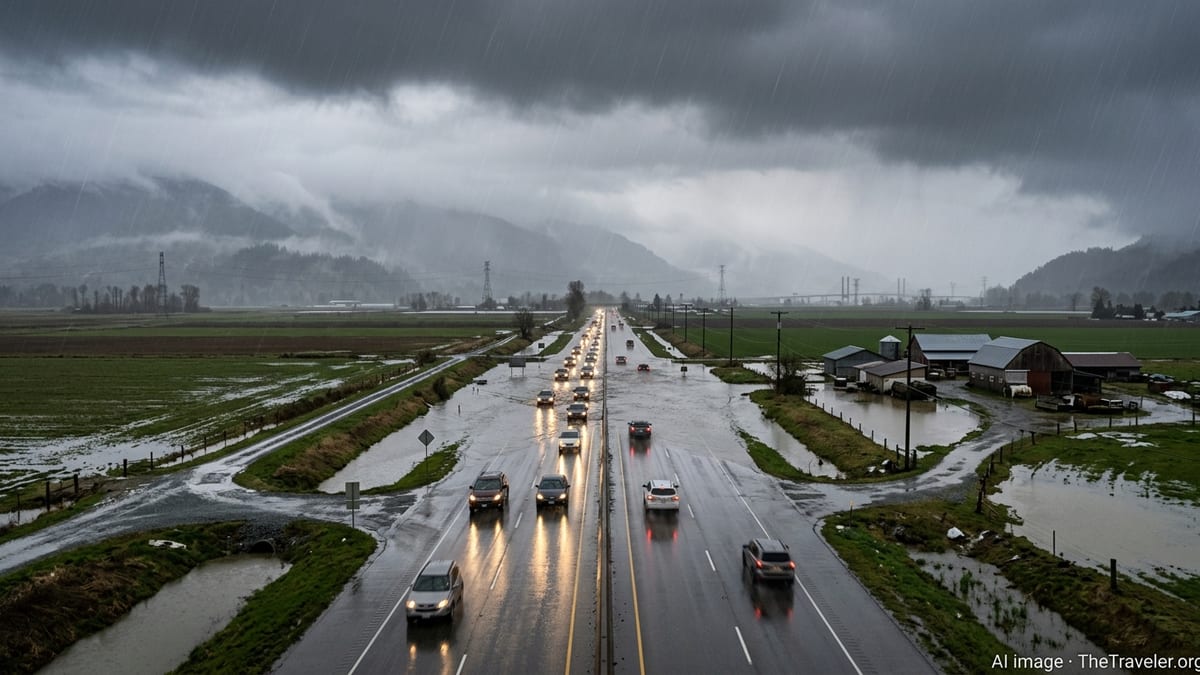
Flash Flood Emergency Redraws Hill Country Travel Map
A slow moving storm system has unleashed days of heavy rain across central and south central Texas, prompting flash flood emergencies in multiple Hill Country counties and transforming the region’s summer travel picture. National Weather Service bulletins on July 15 and 16 highlight life threatening flooding along key waterways, including the Guadalupe River and Pedernales River, where rapidly rising water has pushed gauges far above flood stage.
Publicly available warning summaries for Kerr, Bandera, Comal and neighboring counties describe a "flash flood emergency" scenario in which high water is already impacting communities and infrastructure. The Texas Hill Country, sometimes labeled "Flash Flood Alley" in hydrology and emergency planning documents, is especially vulnerable because intense rain runs quickly off thin soils and limestone into narrow river valleys.
Coverage from state and national outlets indicates that emergency crews have been conducting rescues in several communities as rivers rise and roads become impassable. Reports also note that this week’s flooding follows deadly Hill Country events in recent years, underscoring how quickly localized downpours can escalate into regional crises that disrupt both daily life and visitor itineraries.
On Wednesday, the governor’s office announced a disaster declaration now covering dozens of counties, reinforcing that the current flooding is a statewide concern rather than an isolated rural incident. For travelers, the most immediate impacts are being felt on the ground, where washed out low water crossings and barricaded county roads have abruptly severed many of the scenic driving routes that typically anchor Hill Country vacations.
Road Closures Sever Airport Transfer and Resort Corridors
Local alert portals for Hill Country communities, including Comal County and suburban municipalities north of San Antonio, list a growing number of road closures tied to inundated crossings and damaged pavement. Advisories urge drivers not to bypass barricades and to assume that any roadway covered by water may be structurally compromised, a warning that dramatically narrows the pool of safe routes available for visitors unfamiliar with the terrain.
According to published coverage from Texas based outlets, stretches of state highways, ranch roads, and popular river access drives have all been affected at various times this week. In some cases, the only direct road links between Hill Country resorts and the nearest major airports have been cut, forcing lengthy detours or temporary isolation until water levels recede and inspections are completed.
Travelers arriving at San Antonio International Airport or Austin Bergstrom International Airport for Hill Country stays are encountering a very different on the ground reality than airline schedules alone might suggest. While commercial flight operations have mostly continued under heavy rain and periodic delays, airport transfer providers, hotel shuttles, and rideshare drivers are reporting circuitous routing to avoid closed river crossings west and north of the metropolitan areas.
State hazard mitigation and flood planning documents for this part of Texas have long highlighted that even short lived flash floods can strand residents and visitors by cutting access to critical road segments. The present emergency is offering a real time demonstration of that risk, particularly along corridors serving river resorts, campground clusters, and wine country hubs between San Antonio, Kerrville, Fredericksburg, and New Braunfels.
Rental Car and Rideshare Users Face Hidden Exposure
With airspace and major runways largely unaffected, many visitors are turning to rental cars to salvage summer trips, only to discover that the greatest hazards lie on secondary roads beyond the city limits. Insurance information and travel safety advisories generally describe driving into floodwaters as a leading cause of disaster related deaths and vehicle losses in Texas, and those risks are now front of mind as social media posts show vehicles swept off low water crossings.
Reports from national and local outlets describe emergency managers repeatedly urging drivers to avoid flooded routes, using the widely known "turn around, don’t drown" slogan. For rental car customers, the financial exposure can be significant: standard agreements and collision damage waivers often exclude coverage for damage caused by driving through high water or ignoring posted closures, a point emphasized in consumer travel guidance published after previous Texas flood events.
Rideshare and app based car services that normally offer a flexible alternative to traditional airport shuttles are also constrained. Drivers must navigate the same closures and rapidly changing conditions, and some platforms have instituted temporary restrictions or surge pricing in high demand areas as safe routing options shrink. Travelers arriving late at night or during heavy downpours may find that estimated journey times to Hill Country accommodations have doubled or tripled, if services are available at all.
Industry observers note that this week’s flooding highlights a structural vulnerability for independent travelers who rely on self drive itineraries through rural Texas. Without the route monitoring capabilities and contingency planning of larger tour operators, individual visitors may underestimate how quickly a familiar looking back road or river crossing can become impassable, then be forced into risky last minute decisions in the dark or in poor visibility.
Hill Country Resorts Confront Access, Staffing and Supply Strains
Resorts, guest ranches, and river lodges dotted along the Guadalupe, Frio, and other Hill Country waterways are contending with a complex operational environment as the floods unfold. While many properties remain above water, their practical accessibility has been compromised by surrounding road closures, leading to staggered arrivals, missed check ins, and guests stranded at intermediate towns as shuttle routes are reconfigured.
Travel and business coverage from the region indicates that some hospitality operators have shifted focus from normal programming to basic shelter, food, and communication for guests already on site. In other cases, inbound visitors have been encouraged through social media updates to delay departure or to remain in San Antonio or Austin hotels until primary highway links are confirmed open by county engineers and state transportation agencies.
The disruptions extend behind the scenes as well. Supply deliveries for kitchens, housekeeping, and activity providers often rely on the same farm to market roads and low bridges now underwater. Staffing is affected when employees living in river valleys or on the far side of flooded crossings cannot safely reach work, reducing capacity just as peak summer demand and anxious traveler inquiries surge.
For visitors with flexible itineraries, travel experts are recommending that they treat the Hill Country this week less as a leisure playground and more as an area in active emergency response. That may mean rebooking to urban hotels, prioritizing travel insurance policies that cover trip interruption due to natural disasters, and postponing river centric activities such as tubing, paddling, or riverside camping until authorities fully lift flash flood warnings and complete damage assessments.
Limited Flight Disruptions Mask Broader Systemic Risks
Airline trackers and published airport status boards on July 16 show relatively modest direct disruption at major Texas airports compared with the severity of ground conditions in the Hill Country. Delays and scattered cancellations tied to thunderstorms and low ceilings are present but not exceptional for summer operations in the region.
This contrast underlines a key lesson for travelers planning trips into flood prone interior Texas: a smooth flight arrival does not guarantee a safe or straightforward final leg. In this event, the most significant obstacles and dangers lie between the jet bridge and the resort check in desk, in the form of washed out county roads, closed river crossings, and overwhelmed regional infrastructure.
Transportation and emergency management analyses produced after previous Hill Country floods have warned that reliance on a limited number of road approaches to popular destinations creates systemic vulnerability. When a handful of key bridges or fords are cut, whole areas can be functionally isolated even as airports, interstates, and major cities nearby remain fully operational.
For now, publicly available alerts emphasize that the flash flood emergency remains fluid, with additional rainfall forecast in saturated basins. Travelers bound for central Texas over the coming days are being urged in news coverage and official postings alike to monitor local county road updates, confirm access routes with accommodations, and be prepared to adjust or postpone plans in response to fast changing conditions.