


More news on this day
Royal Caribbean’s sun‑splashed private resort at Labadee, Haiti, once a staple of Caribbean cruise itineraries, will remain off limits to guests through at least June 2027 as the company continues to steer ships away from the troubled nation amid ongoing safety and security concerns.
Get the latest news straight to your inbox!
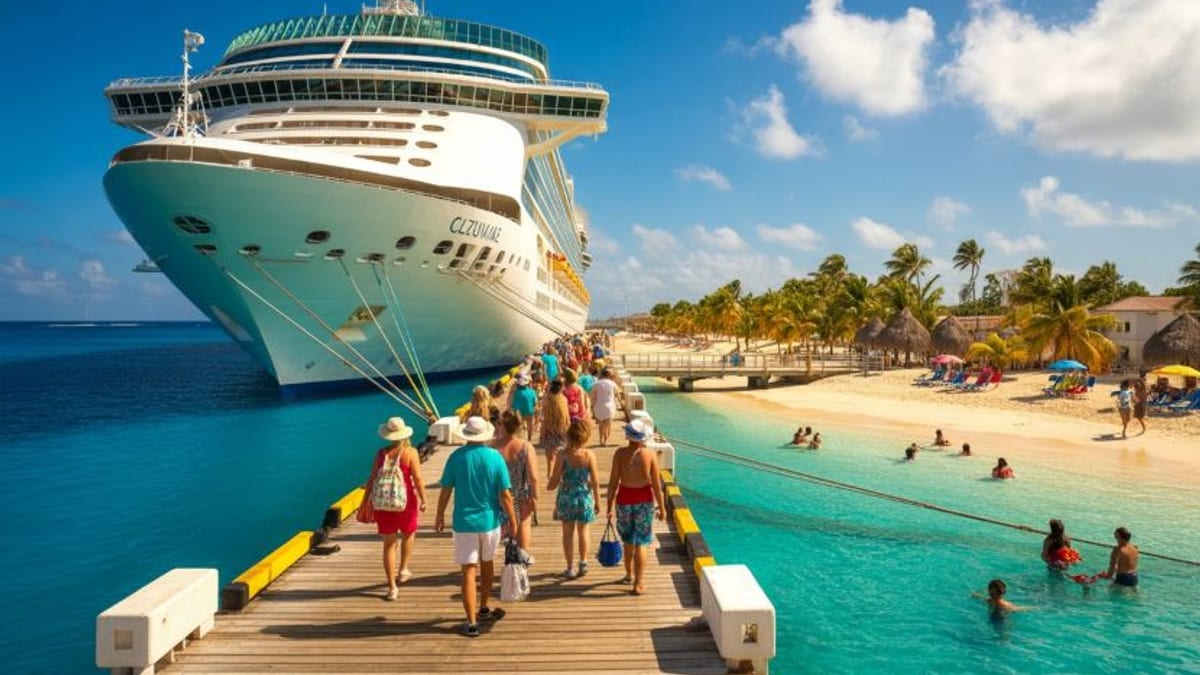
Suspension at a flagship private destination extended again
Labadee, on Haiti’s northern coast, has long been marketed as a marquee stop for Royal Caribbean, offering zip lines over turquoise water, family beaches and secure, cruise line–managed excursions. The destination first dropped off itineraries in April 2025 when the company paused calls in response to mounting instability in the country. Published coverage at the time described the move as temporary, with itineraries gradually reworked to substitute alternative Caribbean ports.
In recent months, the pause has shifted into a multi‑year suspension. Reports from specialized cruise outlets indicate Royal Caribbean has now cancelled visits to Labadee through at least June 2027, effectively removing the resort from the line’s schedules for more than two consecutive years. Internal travel advisories and updated itineraries show calls replaced by sea days or stops in ports such as Nassau or Falmouth, depending on the sailing.
Consumer travel coverage notes that the extended suspension aligns with an earlier wave of itinerary changes that pushed Labadee’s return to late 2026, only for that date to be revised again as conditions in Haiti failed to stabilize. For many repeat guests, the latest extension suggests that Labadee is unlikely to reappear on booking engines in the near term, despite the cruise line’s stated interest in returning when it considers the situation safe.
Security concerns in Haiti underpin cruise line caution
Haiti has faced a prolonged period of political turmoil and violent crime, particularly in and around the capital, Port‑au‑Prince. Publicly available analyses from international organizations and government advisories describe persistent gang activity, kidnappings and limited state control in key urban areas, conditions that have prompted strict travel warnings for much of the country. While Labadee is located far from the capital, the overall security environment has weighed heavily on foreign operators.
Coverage in cruise industry publications emphasizes that Royal Caribbean’s decision is framed around its responsibility to protect guests and crew, as well as port workers. The company’s public statements, reproduced in multiple media reports, stress that itineraries may be altered when there are concerns related to unrest, infrastructure challenges or other safety issues in a destination. The extended halt at Labadee has become one of the most visible examples of that policy in action.
In parallel, aviation regulators have also restricted certain operations involving Haiti in recent months, citing security conditions. While those measures are not directed specifically at cruise travel, they contribute to a broader picture of constrained access and heightened risk management for international operators serving the country’s ports and airports.
Reworked itineraries and passenger reactions
The continued suspension of Labadee calls has triggered a cascade of itinerary revisions across Royal Caribbean’s Caribbean program. Ship schedules available through booking platforms show former Labadee sailings re‑routed to alternative destinations or converted into additional sea days. Some voyages have been adjusted multiple times as the anticipated return date for Haiti has slipped further into the future.
Travel forums and social media discussions reflect a mix of disappointment and understanding among cruisers. Many guests who selected specific sailings hoping to visit the private resort now find their voyages calling at more familiar ports in the Bahamas, Jamaica or the Dominican Republic instead. Others note that while Labadee’s beaches and ship‑exclusive setting are hard to replicate, they prefer conservative routing over exposure to perceived security risks, even at a managed private enclave.
For travel advisors, the shifting picture around Labadee has created an extra layer of complexity when helping clients select sailings. Industry commentary suggests that agents are increasingly steering travelers to itineraries built around destinations with more predictable access, at least for the next two years, while still monitoring any signs that Haiti’s situation might improve enough to allow a gradual restart.
What Labadee’s closure signals for cruise safety strategy
Labadee’s extended absence comes as cruise operators worldwide face a more complicated risk landscape, from geopolitical tensions to health and natural hazards. Analysts note that cruise brands are now quicker to modify or drop ports when risks rise, reflecting lessons from past crises. The multi‑year closure of a heavily marketed private island underscores how even controlled, cruise‑managed destinations remain dependent on the wider security and logistics environment of their host country.
Travel and safety experts point out that destination‑specific pauses such as the one at Labadee can have significant economic impacts on local workers and suppliers who rely on cruise calls. At the same time, cruise companies face reputational stakes if an incident occurs at a port where warnings were already in place. In that context, extending a suspension, even at the cost of lost revenue and guest dissatisfaction, can be seen as an attempt to err on the side of caution.
Observers also see Labadee as a test case for how cruise lines might eventually reintroduce high‑risk destinations. Any eventual reopening is expected to require coordinated security planning, close monitoring of inland conditions and clear communication with booked guests. Until such a framework is in place and the broader situation in Haiti improves, industry watchers expect Royal Caribbean to continue leaning on its other private destinations and well‑established regional ports to anchor its Caribbean network.
Outlook for travelers planning Caribbean cruises
For travelers booking Caribbean cruises through 2027, the practical takeaway is that Labadee should not be counted on as a port of call, even when browsing itineraries far into the future. Cruise schedules are subject to change, but the latest round of cancellations suggests that any restart at the Haitian resort would likely come only after a visible shift in Haiti’s security outlook and updated guidance from multiple risk monitors.
Prospective passengers who prioritized Labadee’s beaches, cabanas and shore excursions may want to explore other private‑destination offerings in the region, including alternative cruise line enclaves and less‑visited islands that still offer relatively controlled environments. Travel advisors recommend focusing on the overall itinerary, ship amenities and flexibility around port changes, rather than hinging a decision on a single destination that may be vulnerable to last‑minute substitutions.
While there is no formal timeline for Labadee’s return, coverage of the latest extension makes clear that Royal Caribbean has not ruled out a future comeback. Executives quoted in prior reports have consistently described Haiti as a valued destination. For now, though, the beloved cruise stop remains a symbol of how global instability can reshape even the most carefully curated vacation playgrounds, leaving its palm‑fringed shoreline quiet as cruise ships sail past.