


More news on this day
Thai VietJet Air is reinstating nonstop flights between Bangkok and Fukuoka, targeting the fast-growing flow of leisure travelers moving between Thailand and Japan as both countries deepen tourism ties.
Get the latest news straight to your inbox!
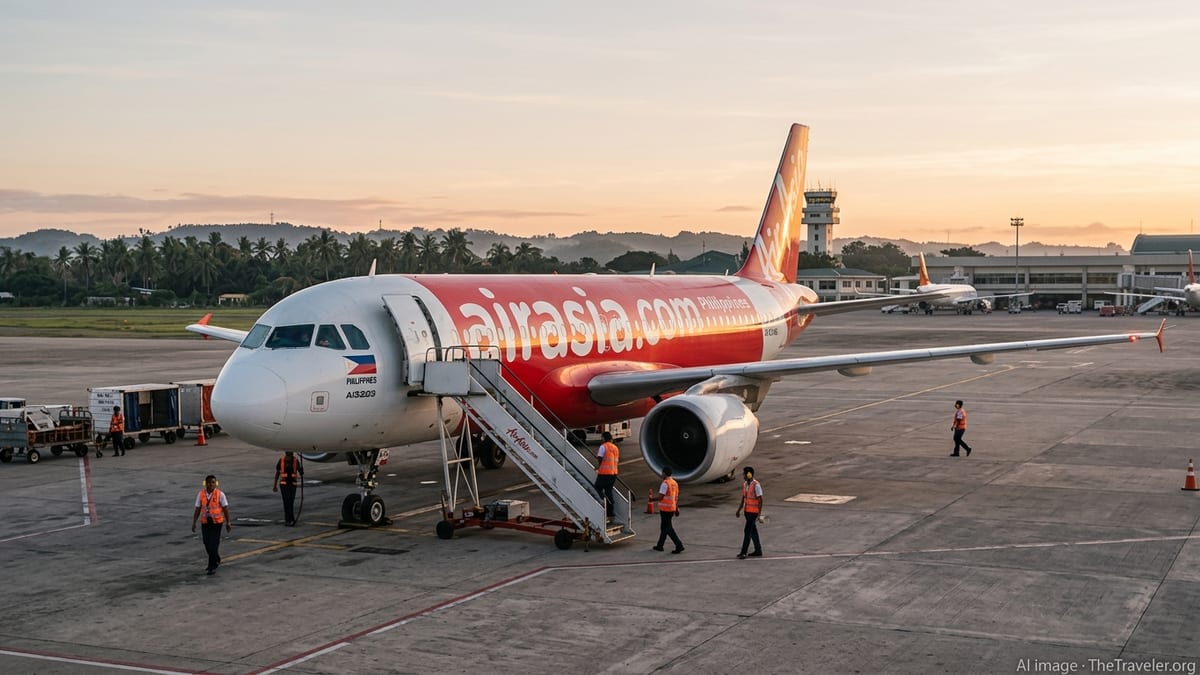
Daily Bangkok–Fukuoka link returns to Thai VietJet network
Publicly available schedule data shows Thai VietJet operating a nonstop service between Bangkok Suvarnabhumi and Fukuoka, reactivating a city pair that had been absent from the carrier’s network in recent seasons. Industry route maps list both Fukuoka Airport and Bangkok Suvarnabhumi among the airline’s current destinations, indicating the link has been restored alongside other Japan routes in Thai VietJet’s portfolio.
Flight listings for Bangkok–Fukuoka now show low cost competition on the sector, with Thai VietJet appearing alongside full service operators. The service gives Thailand-based travelers a direct option to Kyushu’s largest city, avoiding domestic connections in Japan, while opening a new low fare gateway into Thailand for residents of southern Japan.
The reinstated connection follows Thai VietJet’s broader Japan push, which includes recently announced services such as a daily Bangkok–Tokyo Narita flight and a Kansai–Bangkok route operated in partnership with Japanese airport operators. These additions position the carrier as a growing player in the Japan–Thailand market, reinforcing its strategy of linking Bangkok with regional Japanese cities beyond the traditional Tokyo and Osaka hubs.
Rising Thailand–Japan travel underpins route recovery
Tourism statistics from both countries highlight why airlines are rebuilding direct capacity between Thailand and regional Japanese cities like Fukuoka. Data from Japan’s National Tourism Organization indicates that visitor numbers from Thailand placed the country among Japan’s top inbound markets in early 2026, with Thailand ranking first among Southeast Asian source markets as overall foreign arrivals approached pre-pandemic peaks.
Forecasts from Japanese tourism researchers point to continued strength in short haul travel across Asia, even as overall inbound growth to Japan moderates from the initial post pandemic surge. Analysis for 2026 expects Asia’s share of international arrivals to rise further, supported by a weak yen and the enduring popularity of Japan among regional travelers, including those from Thailand.
On the Thai side, official statistics show Japan firmly inside the top 10 source markets for visitors to Thailand in 2025, underscoring the depth of two way travel demand. Thailand’s tourism planners are targeting more than 30 million international arrivals annually in the mid 2020s, with East Asia and Japan seen as key contributors to both visitor volume and higher per trip spending.
Thai VietJet expands Japan footprint beyond main gateways
The resumption of Bangkok–Fukuoka flights fits into a wider expansion of Thai VietJet’s Japan footprint. Airport and airline announcements in early 2026 detailed new daily nonstop services from Bangkok to Tokyo Narita and Osaka Kansai, broadening the carrier’s reach in Japan’s largest metropolitan areas. These routes complement services to regional cities, creating a multi gateway network that offers more itinerary choices for travelers.
Fukuoka’s role as the primary air hub for Kyushu makes it a strategic addition. The city provides access to popular destinations such as Beppu, Kumamoto, Nagasaki and Kagoshima, which are attracting growing interest from Southeast Asian tourists looking beyond Tokyo and Osaka. The direct Bangkok link shortens travel times for Thai visitors heading to Kyushu’s hot spring resorts and scenic coastal areas.
For Japanese travelers, Thai VietJet’s expanding schedule deepens connectivity to Bangkok as a transfer point into Thailand’s domestic network and onward links across Southeast Asia. The airline’s low cost model and use of single aisle jets on regional routes are designed to capture price sensitive leisure traffic while supporting tourism authorities’ efforts to distribute visitors beyond primary urban centers.
Tourism strategies in Thailand and Japan favor more regional links
Tourism agencies in both countries are steering policy toward value oriented, geographically diversified growth, a direction that favors secondary city connections such as Bangkok–Fukuoka. Thailand’s 2026 campaign focuses on attracting higher spending visitors and encouraging travel to a broader mix of destinations, while acknowledging that overall arrival numbers softened in 2025 amid global economic headwinds.
Similarly, Japan’s tourism outlook emphasizes balancing visitor flows and mitigating crowding in major hotspots by promoting regional areas including Kyushu. With visitor numbers from China constrained by geopolitical tensions, markets like Thailand have taken on greater importance in sustaining Japan’s inbound recovery, especially for off peak and shoulder season travel.
Airlines are central to these strategies. Additional nonstop routes between Thailand and regional Japanese airports help unlock new itineraries, support tour operators in both markets and spread tourism revenue more evenly. The return of Thai VietJet’s Bangkok–Fukuoka flights aligns with this policy emphasis, creating another direct corridor for travelers who might previously have relied on hub connections in Tokyo or Osaka.
Competitive Bangkok–Fukuoka market benefits travelers
The Bangkok–Fukuoka corridor is becoming more competitive as carriers rebuild networks. Route planners note that the sector is now served by both full service and low cost airlines, giving travelers a broader range of fares and schedules. Thai VietJet’s presence adds capacity at the budget end of the market, which is likely to intensify price competition, particularly outside peak holiday periods.
For Thai leisure travelers drawn by the weak yen and Japan’s reputation for food, culture and shopping, more direct flights from Bangkok reduce total journey time and connection uncertainty. For Kyushu based travelers considering beach vacations, wellness breaks or short city stays in Bangkok and other Thai destinations, the return of a low cost nonstop option lowers the barrier to spontaneous trips.
Industry analysts expect Thailand–Japan traffic to remain one of Asia’s most resilient flows, even as other source markets fluctuate. In that context, Thai VietJet’s decision to restore Bangkok–Fukuoka flights illustrates how airlines are recalibrating capacity toward routes where passenger demand remains robust and diversified, and where bilateral tourism strategies actively encourage deeper regional links.