


More news on this day
Australia’s right-wing One Nation party is sharpening its migration platform with a proposal to bar new migrants from 26 countries currently listed as “do not travel” destinations by the federal government, a move that would represent one of the most sweeping nationality-based restrictions contemplated in Australian politics in recent years.
Get the latest news straight to your inbox!
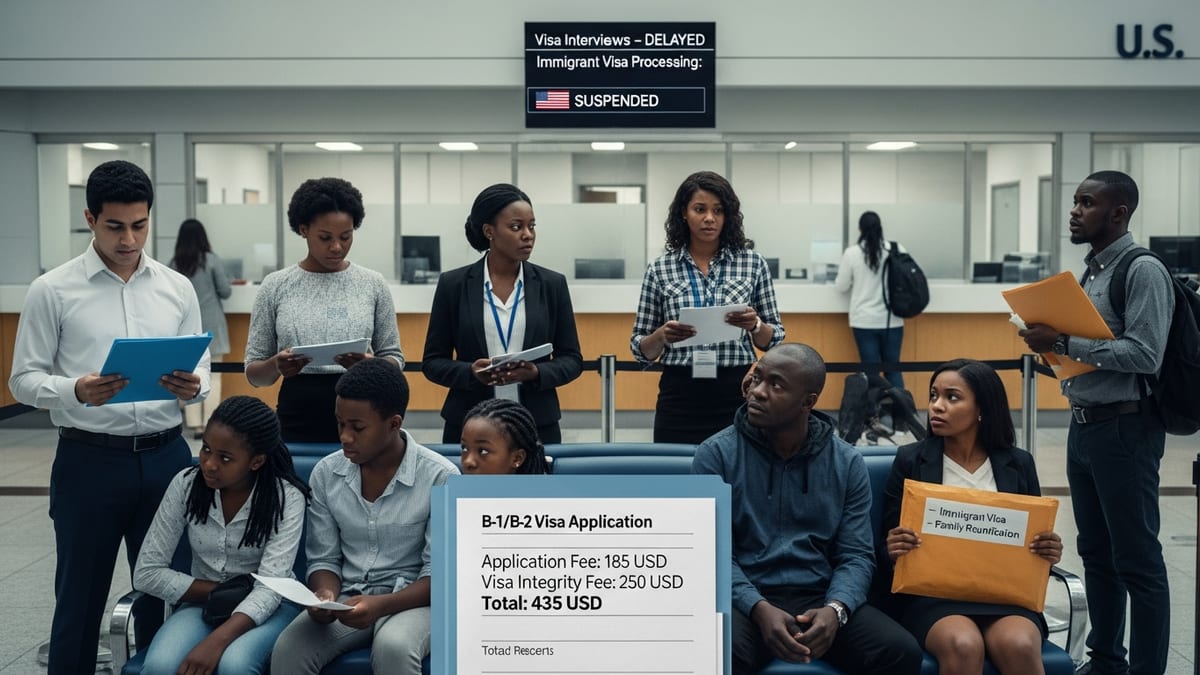
How the 26-country list is being drawn up
Publicly available information indicates that One Nation’s latest policy push centres on mirroring the Department of Foreign Affairs and Trade’s strictest travel advisories. DFAT maintains a four-tier warning system, with “do not travel” representing the highest risk category. Countries in that band typically face armed conflict, widespread terrorism, state collapse or pervasive kidnapping and criminal violence.
According to recent coverage of Senate debates and party communications, One Nation wants immigration rules to be aligned with this top-tier warning list. The proposal would mean that if DFAT advises Australians not to enter a country due to terrorism or extreme instability, Australia would in turn refuse standard migration from that same state.
Based on the current “do not travel” advisories, the targeted group covers 26 countries across the Middle East, Africa, South Asia and parts of Eastern Europe. While DFAT periodically updates its travel alerts, reports suggest the present list includes Afghanistan, Iran, Iraq, Syria and Yemen in the Middle East; Mali, Niger, Burkina Faso, Sudan, South Sudan, Somalia, Libya and the Central African Republic in Africa; as well as Russia and Ukraine in light of continuing conflict, among others.
Any shifts in DFAT’s assessments would automatically alter the affected group, making the One Nation proposal a moving regime rather than a fixed blacklist. That linkage to security advice is central to the party’s argument that the policy would be driven by risk rather than religion or ethnicity.
Inside One Nation’s broader migration agenda
The 26-country plan sits within a far wider reset of how One Nation wants Australia to manage migration. Recent policy documents and media reporting describe a platform built around sharply lower overall intake, a hard annual cap on visas and tougher enforcement against overstayers and temporary visa holders who breach conditions.
One Nation has signalled that it would like to cap permanent migration at about 130,000 places a year, a level critics say could drive net overseas migration close to or even below zero when combined with further cuts to student and temporary worker numbers. The party has repeatedly argued that high migration has fuelled housing shortages, wage stagnation and pressure on public services, positioning deep cuts as a path to “breathing space” for infrastructure and the labour market.
At the same time, One Nation is calling for the deportation of tens of thousands of people described as “illegal migrants,” including visa overstayers and those who have exhausted appeal avenues in the administrative review system. Policy summaries highlighted in recent analyses refer to mandatory removal of non-citizens convicted of serious offences and significantly longer waiting periods before new arrivals can access welfare and citizenship.
Critics of the platform note that many of the individuals affected by such measures have already built lives, families and businesses in Australia. Business groups and universities have also warned that a sharp intake cut, combined with tougher rules on international students and skilled workers, could undermine investment, regional campuses and key sectors such as health and aged care.
Security framing and echoes of global travel bans
One Nation’s argument for targeting the 26 countries leans heavily on a security framing that has become familiar in global migration debates. Party representatives have repeatedly linked their proposal to the logic of travel advisories, suggesting that it is inconsistent to warn Australians away from countries for fear of terrorism or civil war while continuing to accept standard migration from those same places.
Analysts note that the approach bears resemblance to nationality-based restrictions introduced in other countries over the past decade. In the United States, successive administrations have used executive orders and regulatory changes to limit or suspend visa processing from countries labelled as security risks. Those measures, which focused heavily on Muslim-majority states, drew sustained legal challenges and accusations of discrimination.
In Australia’s case, migration experts point out that DFAT’s “do not travel” advisories are designed primarily as guidance for outbound travellers, not as comprehensive assessments of every individual seeking to leave those countries. Humanitarian organisations caution that many people from such states are themselves fleeing the very threats that prompted the warning, including terrorism, sectarian violence and state repression.
Legal commentators argue that translating broad travel warnings into blanket immigration bans raises complex questions about Australia’s obligations under international law, including the principle of non-refoulement, which bars returning people to places where they face serious harm. A categorical refusal to accept any migrants from those 26 countries could, they say, collide with those commitments unless carefully carved out for refugees and other protection cases.
Humanitarian, economic and diplomatic fallout
Humanitarian agencies and refugee advocates have reacted strongly to early descriptions of the plan. They warn that a blanket bar on migrants from the 26 countries would be felt most acutely by people seeking family reunion or escape from long-running conflicts, particularly in Afghanistan, Syria, Sudan and Somalia. Many of those communities already face extended processing backlogs and higher evidentiary thresholds in Australia’s visa system.
Published commentary from rights groups suggests the proposal could further shrink pathways for resettlement at a time when global displacement is rising. Australia has historically offered a dedicated humanitarian intake alongside broader migration streams, and campaigners argue that aligning entry rules with “do not travel” lists risks closing off options for those with the greatest protection needs.
Economists and business organisations are also scrutinising the potential impact on sectors reliant on migrants from high-risk regions. Health care, agriculture and resources projects in remote areas have increasingly drawn workers from African and Middle Eastern countries now sitting on DFAT’s highest-risk tier. Industry-facing analyses warn that removing those labour pipelines without robust alternatives could exacerbate already acute workforce shortages.
Diplomatically, observers say that formally designating 26 countries as ineligible for standard migration would send a confrontational message. Several of the states on DFAT’s list maintain embassies and commercial ties with Australia, and some have been partners in counter-terrorism and regional security initiatives. A blanket bar on their citizens could prompt reciprocal measures or complicate existing cooperation.
What happens next for the proposal
For now, One Nation’s 26-country migration plan remains a party platform rather than government policy. The party holds a small share of seats, but its influence can be magnified in closely divided parliaments, particularly on contentious issues where major parties seek crossbench support. Analysts of Australia’s fragmented upper house politics say any future government confronting a tight Senate arithmetic could face pressure to adopt or dilute elements of the proposal during negotiations.
Migration has already become a defining battleground in the lead-up to state and federal contests, with both the government and opposition signalling openness to lower migration levels while stopping short of nationality-based bans. Policy trackers show a flurry of recent adjustments to student visas, temporary skilled migration and compliance powers, indicating that the broader system is already in flux.
Even if the full 26-country bar never makes it into law, observers believe the proposal is likely to shape public debate by normalising the idea of directly tying nationality to migration eligibility. That shift could pave the way for more targeted restrictions, such as visa bonds or enhanced vetting focused on specific regions, while keeping outright bans politically contested.
For migrants and diaspora communities in Australia, the discussion is being watched closely. Community advocates report rising concern that increasingly hard-edged rhetoric around borders, combined with proposals like One Nation’s, risks further stigmatizing people from conflict-affected states. As the political debate intensifies, the challenge for policymakers will be balancing legitimate security considerations with economic needs, humanitarian responsibilities and social cohesion at home.