


More news on this day
Qantas has confirmed it will start retiring its Airbus A380 fleet from 2028, bringing Australia’s era of double-decker flagships to an earlier-than-expected close as the carrier accelerates long-haul fleet renewal.
Get the latest news straight to your inbox!
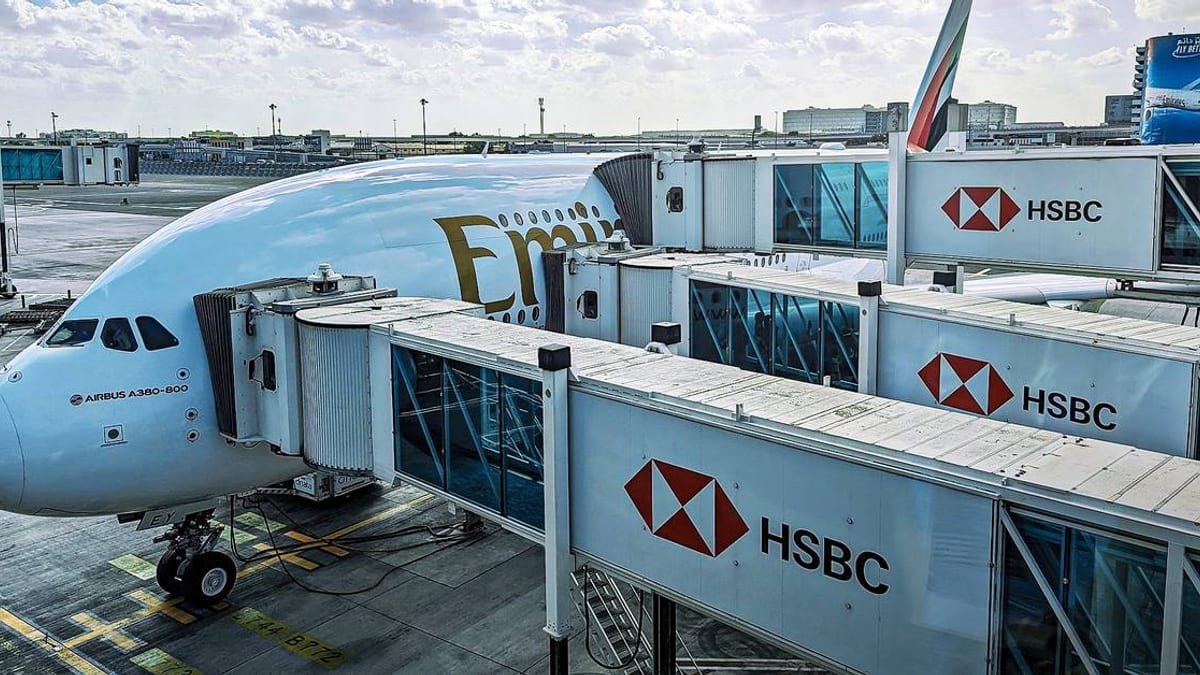
A Brought-Forward Farewell for the Superjumbo
The latest Qantas financial filings and investor presentations outline a revised timetable that will see the airline begin withdrawing its ten Airbus A380-800s from service in calendar year 2028, several years earlier than previous plans indicating retirements from the early 2030s. The move marks a significant shift for an aircraft that has served as the long-haul flagship of Australia’s national carrier since 2008.
Reporting by multiple aviation outlets indicates that the updated schedule effectively trims around four years from the A380’s projected Qantas lifespan. Earlier communications around the airline’s long-term fleet plan had suggested the superjumbo could remain in operation into the next decade, but the new plan aligns its withdrawal more closely with the arrival of new-generation wide-body aircraft.
The airline’s August 2026 full-year results materials describe the change as part of a broader effort to optimise capital efficiency and reduce heavy maintenance liabilities on older, four-engine types. Publicly available information highlights that the A380 retirement program is designed as a phased process from 2028 rather than a hard cutoff in that year, meaning the type is set to remain in Qantas colours for several more years as individual frames are progressively stood down.
For passengers, the announcement confirms what frequent flyers had long suspected: the days of booking the upper deck of a Qantas superjumbo are now firmly numbered, even if the final flight date for the type has not yet been set.
Project Sunrise and New Wide-Bodies Reshape Qantas Long-Haul
The early retirement of the A380 is closely tied to the ramp-up of Qantas’ long-haul renewal strategy, centred on incoming Airbus A350-1000 ultra-long-range aircraft for its Project Sunrise services and additional Boeing 787-9 Dreamliners. Investor documents released in August 2026 describe a wide-body pipeline that from 2027 will steadily introduce more fuel-efficient, lower-maintenance jets into the international fleet.
According to these materials, Qantas is in talks with both Airbus and Boeing to convert about 20 existing purchase-right options into firm orders early in the next decade. Aviation industry reports suggest these aircraft are intended to replace the capacity currently provided by the A380 while also supporting growth on high-demand routes to North America, Europe and Asia.
Publicly available commentary from the airline’s recent earnings call highlights that management sees the transition away from the A380 as key to reducing capitalised maintenance costs and improving the economics of Qantas International. Twin-engine types such as the A350 and 787 consume significantly less fuel per seat than the superjumbo and offer greater flexibility to adjust capacity across multiple frequencies rather than relying on a single large aircraft.
As these next-generation aircraft arrive, they will increasingly assume roles once reserved for the A380, including flagship trans-Pacific services and future non-stop links from Australia’s east coast to cities like New York and London. That shift is expected to reshape what premium long-haul travel on Qantas looks like, with new business-class suites and refreshed cabins debuting on the incoming jets instead of further upgrades to the superjumbo fleet.
Impact on Routes and Australia’s Double-Deck Era
The decision to bring forward retirement is already being reflected in network planning. Route-tracking publications and frequent flyer analyses show that Qantas has begun substituting Boeing 787s on some services historically dominated by the A380, including selected Sydney to Dallas Fort Worth operations. Other schedule adjustments are expected in the coming years as aircraft cycles and heavy maintenance checks are managed with the 2028 start date in mind.
Earlier in 2026, specialist travel and loyalty outlets highlighted the end of A380 operations on the Melbourne to Los Angeles route from late October 2026, with that service shifting to smaller wide-body equipment. Those changes foreshadow a broader trend in which Qantas gradually consolidates its A380 flying on a handful of trunk routes before the phase-out begins.
For Australia’s aviation landscape, the move underscores a wider global retreat from very-large passenger aircraft. The A380 once shared Australian skies with Boeing 747 passenger services operated by Qantas and foreign carriers, but the 747 has already disappeared from regular passenger operations, and cargo variants are increasingly the only four-engine jumbos remaining. As Qantas winds back its superjumbo presence, Australia’s era of routine double-decker flights on its home airline is moving into history.
Other A380 operators such as Emirates, Qatar Airways and British Airways continue to schedule the type to Australian gateways, meaning local travellers will not lose access to the double-decker experience overnight. However, the withdrawal of Qantas’ distinctive red-tailed A380s removes the last domestically based, locally crewed superjumbo operation, diminishing the prominence of the aircraft in Australia’s long-haul identity.
Economics, Environment and Fleet Strategy
Industry analyses point to a series of economic and environmental factors behind Qantas’ updated retirement timetable. A380 operations come with high fuel burn, complex maintenance requirements and limited flexibility when demand softens on particular routes. With oil prices volatile and competition intensifying across the Asia-Pacific, airlines are increasingly favouring smaller, more efficient types that can deliver similar capacity through increased frequency rather than sheer size.
Qantas’ own disclosures link the A380 retirement decision to several hundred million dollars in expected net cash-flow benefits between the late 2020s and early 2030s, primarily from reduced capitalised maintenance. Removing the need for expensive heavy checks on ageing airframes allows capital to be redirected toward newer jets and cabin products that the airline believes will command stronger yields.
From an environmental perspective, the pivot away from four-engine aircraft supports the carrier’s publicly stated emissions-reduction objectives. Newer long-haul models offer substantial improvements in fuel efficiency and are being paired with investments in sustainable aviation fuel supply, a key component of Qantas’ broader sustainability agenda.
At the same time, the airline has signalled that it wants to retain flexibility at the back end of the retirement program, leaving open the possibility of adjusting the pace of withdrawals in response to demand or delivery delays. That approach reflects lessons from the pandemic period, when the A380 fleet was initially placed into long-term storage before eventually returning to service as international travel rebounded faster than expected.
What Passengers Can Expect in the Final Years
For travellers, the countdown to 2028 turns each Qantas A380 journey into a diminishing opportunity to experience one of the most recognisable aircraft in modern aviation. Specialist blogs and frequent flyer forums are already advising enthusiasts to secure seats on remaining superjumbo routes, particularly those featuring the upper-deck business cabin and popular onboard lounge areas.
Published schedules show the A380 continuing to operate marquee services such as Sydney to London via Singapore and selected flights to Los Angeles and other key hubs in the near term. Over time, these are likely to be progressively backfilled by 787s and, later, A350s as deliveries ramp up and older jets are retired.
Although some travellers will lament the loss of the A380’s spacious cabins and quiet ride, Qantas is positioning its next-generation wide-bodies as an upgrade in overall comfort. The airline has already previewed new business-class suites and refreshed premium economy and economy cabins that will appear on future aircraft, framing the change as a step toward a more consistent, modern long-haul product.
As the first retirements approach, attention is also turning to what will happen to the aircraft themselves. Enthusiast discussions in recent days have speculated about whether any Qantas A380s might be preserved in Australian museums or outback air parks, while others are expected to be parted out for spares. Whatever their final resting place, the withdrawal of the type from Qantas service will close a distinctive chapter in Australia’s aviation story, one that made the double-decker superjumbo a familiar sight in the skies over Sydney and Melbourne for nearly two decades.