


For many Norwegian Cruise Line fans, the pitch sounds irresistible: a no-annual-fee credit card that earns extra points on cruises, redeems for onboard credit and upgrades, and even throws in a welcome bonus. The Norwegian Cruise Line World Mastercard, issued by Bank of America, is marketed as the ultimate companion for loyal NCL guests. Yet once you dig into the details and listen to how real travelers actually use it, a different picture emerges. The card’s problem is not that it never works, but that its limitations are rarely spelled out clearly before people sign up and start swiping.
Get the latest updates straight to your inbox!
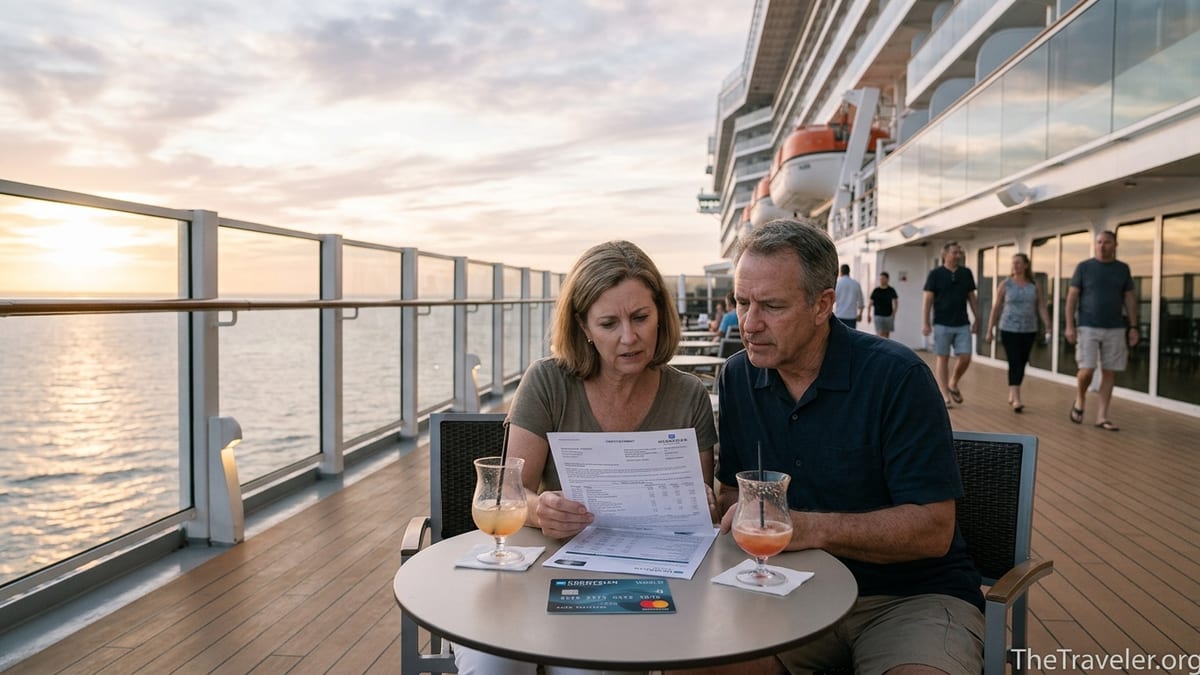
What the Norwegian Cruise Line Mastercard Actually Offers
The Norwegian Cruise Line World Mastercard is a co-branded travel card issued by Bank of America that earns WorldPoints, a proprietary rewards currency. Current public information shows the typical structure: 3 points per dollar on eligible Norwegian Cruise Line purchases such as cruise fares and some onboard charges, 2 points per dollar on many airline and hotel purchases, and 1 point per dollar on everything else. A common welcome offer has been in the range of 20,000 WorldPoints after around 1,000 dollars of spending in the first 90 days, which roughly translates to 200 dollars in Norwegian onboard credit or cruise discount when redeemed for NCL travel value.
Crucially, this card does not earn Norwegian Latitudes Rewards loyalty points. Those elite-status credits come only from actually sailing with Norwegian, not from spending on the credit card. In practice this means that if you book a 3,000 dollar family cruise on the Norwegian Encore and pay with the card, you will earn WorldPoints that can go toward a future sailing or onboard credit, but your elite status progress is unchanged beyond the cruise itself. The marketing language can make it sound like every swipe is building your broader NCL loyalty, when in reality it builds only a parallel, card-specific points balance.
The card’s core selling points are the no annual fee, no foreign transaction fees on purchases abroad, and the promise that you can “earn and redeem points your way” on Norwegian upgrades, last‑minute cruises, onboard credit and more. On paper this looks straightforward. The problem is that the most valuable redemptions are narrowly defined, the system is less flexible than it sounds, and compared with competing travel cards the Norwegian Mastercard can be a poor fit for everyday spending.
The Real Value of WorldPoints Is Easy to Overestimate
Most independent analyses place the value of WorldPoints at about 1 cent per point when redeemed for Norwegian cruises or onboard credit. In simple terms, 10,000 points might get you roughly 100 dollars off a future sailing, 20,000 points around 200 dollars, and 50,000 points around 500 dollars in cruise value. That can sound generous until you run the math on how long it takes to get there for a typical traveler. Someone who cruises once a year and spends 4,000 dollars on the base fare and onboard extras might earn 12,000 points from that trip if all spending codes at the 3x rate. On all other purchases during the year, they earn only 1 point per dollar.
Compare that to a general travel card that earns 2 points or 2 percent cash back on everything, sometimes more on travel and dining. A traveler who charges 20,000 dollars per year on a flat 2 percent card earns 400 dollars in flexible travel credit or cash, usable for any cruise line, airline or hotel. On the Norwegian Mastercard, the same traveler might only earn 20,000 WorldPoints outside of NCL transactions, worth about 200 dollars in Norwegian-specific value. Unless you are putting a very large share of your spending through Norwegian itself, the math can quietly tilt against you.
Real-world reports illustrate the trade-off. One frequent cruiser described using the card heavily for several years and finally redeeming for a “free” seven-night Christmas sailing on Norwegian Prima after hoarding points. Another traveler, using a more flexible card, booked a similar itinerary at a discounted shoulder-season rate and paid with general travel points that could also have been used with other cruise lines. Both cruisers felt they got value, but only one was locked into a single brand and redemption path. The less visible problem with the Norwegian Mastercard is this hidden cost of loyalty: your points are fine as long as you always want another Norwegian cruise, and much less helpful if your plans change.
Redemption Rules and Call-in Requirements Catch Travelers Off Guard
The marketing suggests you can redeem WorldPoints easily for Norwegian upgrades, last‑minute cruises, and onboard credit. The fine print is more specific. Official materials note that certain cruise discounts and onboard credits must be redeemed in fixed point blocks, and that WorldPoints for NCL products generally need to be applied before you sail. For some offers, you must call a dedicated Bank of America or Norwegian number to apply points to a booking, rather than clicking a simple button in an online dashboard.
In practice, this can matter more than people expect. Consider a traveler who books a five-day Caribbean cruise on Norwegian Getaway six months in advance and plans to apply 40,000 WorldPoints to get 400 dollars off. If they forget to call and redeem before final payment, then decide onboard to buy an unlimited drink package or a specialty dining package, they may not be able to retroactively apply that same bank of points. The card technically still earns rewards, but the timing and method of redemption can be surprisingly rigid, which is very different from cards that let you “erase” travel purchases after the fact.
Another source of frustration is that the best-value redemptions are not always obvious. Some travelers discover that using WorldPoints for non-cruise travel, gift cards, or cash back often yields slightly worse value than applying them to Norwegian fares or upgrades. A guest might convert 10,000 points into around 80 to 100 dollars’ worth of gift cards, while the same balance could cut 100 dollars off a cruise. None of this is deceptive in a legal sense, but because the card is sold as flexible and easy, many cruisers only discover the fine print when the exact redemption they want turns out to be unavailable or less valuable than anticipated.
Not the Best Everyday Card, Even for Frequent Cruisers
One of the biggest unspoken problems with the Norwegian Cruise Line Mastercard is that it is rarely the best card to use for your day-to-day spending, even if you love Norwegian. General travel rewards cards from major issuers routinely offer 2 to 5 points per dollar on categories like travel, dining and groceries, plus built-in trip delay coverage, primary rental car insurance, and other protections. By contrast, outside of Norwegian purchases and some air and hotel bookings, the NCL card earns just 1 WorldPoint per dollar and offers relatively few travel perks beyond basic Mastercard benefits.
Imagine you are planning a seven-night Mediterranean itinerary on Norwegian Viva out of Civitavecchia near Rome. Airfare for two from the United States might cost 1,600 dollars, pre-cruise hotel nights another 400 dollars, and the cruise fare itself 4,000 dollars. If you put the entire 6,000 dollars on the NCL card, you might earn roughly 18,000 WorldPoints on Norwegian purchases and 2,000 more on air and hotel, for about 200 dollars in cruise value. If you used a well-known general travel card that earns 3 points per dollar on travel and dining, you could earn around 18,000 flexible points for the full 6,000 dollars, which might also be worth roughly 180 to 240 dollars in travel. The headline rewards look similar, but the general card points could pay for non-Norwegian hotels or future flights, while the NCL points are tied to one cruise brand.
For many readers of consumer sites and cruise forums, this is the sticking point. Travelers who cruise Norwegian exclusively every year and like to prepay for large onboard packages might be happy to funnel spending through the co-branded card. Everyone else tends to do better pairing Norwegian bookings with a broader travel card or even a simple 2 percent cash-back card. That difference is rarely emphasized in Norwegian’s branded marketing, yet it is central to whether the card makes sense for you.
Customer Service Gaps When Something Goes Wrong
The Norwegian Cruise Line Mastercard sits at the intersection of two big companies: Norwegian running the cruises and Bank of America issuing the card and the rewards. When everything goes smoothly, this partnership is largely invisible. When something goes wrong, it can put travelers in a frustrating triangle of responsibility. Complaints shared publicly and in consumer columns often describe cardholders bounced back and forth between Norwegian and Bank of America over issues like misapplied credits or disputed charges.
Consider a traveler who books a Caribbean sailing and applies a points-based cruise discount, then later receives a price drop offer or itinerary change. If the fare is readjusted, any onboard credit or discount tied to the original price can sometimes shift or disappear in the accounting system. Guests have described situations where a 200 or 300 dollar credit that should have been present onboard did not appear on the final folio. Norwegian customer service might insist the credit was handled by the card issuer, while Bank of America agents argue that once points are transferred to Norwegian, only the cruise line can fix the problem.
Similar confusion can arise in refund disputes. If a sailing is cancelled or substantially changed and a guest expects a credit back to the card, the timeline for seeing that credit can be long. Some travelers report waiting weeks while Norwegian processes a refund internally, then additional time for it to appear on the Bank of America statement. Others describe disputing a charge with the bank only to be told to work it out directly with Norwegian. In the meantime, the card’s credit line is tied up, which can matter if you rely on the card for other purchases around the trip.
How the Card Interacts With Other Norwegian Promotions
Norwegian is known for promotions like CruiseNext or CruiseFirst certificates, where you pay a set amount up front and receive future cruise credit worth more than you paid, often sold onboard. It also markets bundles like Free at Sea, which may include beverage packages, specialty dining, Wi-Fi and excursion credits rolled into the fare. The co-branded Mastercard is frequently pitched alongside these deals, especially at onboard sales tables and in post-cruise emails, as a way to “stack” savings.
In reality, the stacking is not always as generous as it sounds. A traveler might buy a CruiseFirst credit for 250 dollars that is advertised as being worth 500 dollars off a future cruise, then later use the NCL card to book a new 2,000 dollar itinerary where they expect to apply that credit plus 20,000 WorldPoints for another 200 dollars off. In some situations, Norwegian systems treat the CruiseFirst value and the credit card discount as separate coupons that cannot all be stacked on the same base fare, especially if heavy promotional pricing is already in place. The end result can be a smaller total discount than the guest assumed when layering together marketing messages.
A more subtle issue involves opportunity cost. Norwegian often runs limited promotions through other card issuers, such as a common example of an American Express offer that rebates around 250 dollars after spending 1,000 dollars with NCL on an eligible Amex card. If you book your cruise with the Norwegian Mastercard instead, chasing WorldPoints, you might miss out on these one-time statement credits. Savvy cruisers who track such offers sometimes deliberately use a different card to capture those promotions, then treat the NCL Mastercard as a niche tool used only for specific onboard charges where it might earn triple points.
When the Norwegian Mastercard Can Still Make Sense
Despite its limitations, the Norwegian Cruise Line World Mastercard is not a universally bad product. For a narrow slice of travelers, it can be a reasonable secondary card. If you sail Norwegian at least once a year, routinely spend several thousand dollars onboard on specialty dining, spa treatments and bar packages, and have no interest in collecting a broader portfolio of travel points, the card’s 3x earnings on Norwegian purchases and straightforward cruise redemptions can work well. You might, for instance, put a 6,000 dollar family trip on the card, earn around 18,000 points from that trip alone, and then redeem those points as 180 dollars of onboard credit on your next sailing.
The card can also appeal to travelers who simply want a no-annual-fee backup card with no foreign transaction fees, especially if they are cautious about more complex rewards ecosystems. Used in this way, the Norwegian Mastercard functions more like a basic travel card that occasionally produces a small onboard credit or an upgrade. This is different from treating it as your primary everyday card, which is where many of its weaknesses start to show.
However, even Norwegian loyalists may want to compare it with general travel cards that offer strong earnings on all cruises, including Norwegian. A frequent cruiser might find that pairing a 2 percent cash-back card for everyday purchases with the Norwegian card for only final cruise payments strikes a better balance. That way, they capture solid value on groceries, gas and bills, while still earning a burst of WorldPoints whenever they actually sail.
The Takeaway
The problem with the Norwegian Cruise Line Mastercard that nobody talks about is not a single hidden fee or a shocking clause buried on page nine of the terms. It is the quiet mismatch between how the card is sold and how it fits into real travelers’ finances. The marketing leans heavily on ideas of flexibility, free cruises and loyalty, while the reality is a narrow, brand-locked rewards system that only shines for a specific kind of cruiser. For everyone else, it risks being a low-earning everyday card that makes it harder, not easier, to keep your travel options open.
If you are considering the card, start by asking how often you truly sail Norwegian, whether you are comfortable locking most of your rewards into one cruise line, and how the earnings compare to a simple 2 percent cash-back or general travel card in your wallet. Read the redemption rules, note that points for Norwegian products typically must be applied before you sail, and be realistic about your ability to track onboard credits and discounts across two different companies. Used carefully and sparingly, the card can still deliver modest value. Used uncritically as your main card, it may leave you with fewer choices and less flexibility than you expected when you first filled out the application.
FAQ
Q1. Is the Norwegian Cruise Line World Mastercard a good card for everyday spending?
The card is usually not ideal for everyday spending because it earns only 1 point per dollar on most purchases and its rewards are tied mainly to Norwegian cruises. Many travelers get better overall value from general travel or cash-back cards.
Q2. How much are Norwegian WorldPoints typically worth?
Most analyses suggest WorldPoints are worth about 1 cent each when redeemed for Norwegian cruises, onboard credits or upgrades. Other redemptions like gift cards or cash can sometimes yield slightly less value.
Q3. Can I earn Norwegian Latitudes Rewards status points with the credit card?
No. Latitudes Rewards status points are earned by sailing with Norwegian Cruise Line, not through credit card spending. The card earns a separate currency called WorldPoints.
Q4. Do I have to call to redeem points for Norwegian cruises and onboard credits?
For many Norwegian-specific redemptions, especially cruise discounts and onboard credits, you typically must redeem through a dedicated phone channel or portal before you sail, rather than applying points after the trip.
Q5. What happens to my points if I stop cruising with Norwegian?
Your WorldPoints remain with the card issuer, but their best value is generally tied to Norwegian products. If you stop cruising with NCL, you can often still redeem for other travel or gift cards, usually at similar or slightly lower value.
Q6. Are there foreign transaction fees on the Norwegian Mastercard?
Current public terms indicate that the Norwegian Cruise Line World Mastercard does not charge foreign transaction fees on purchases made abroad, which can be useful on international itineraries.
Q7. Can I stack the card’s rewards with CruiseNext or CruiseFirst credits?
In some cases you can combine credits, but Norwegian’s systems may limit how many discounts and promotions apply to a single booking, especially if you are already on a sale fare. It is wise to confirm stacking rules before final payment.
Q8. How does the welcome bonus compare to other travel cards?
The welcome bonus, often around 20,000 points for meeting an initial spending requirement, can be attractive for a Norwegian loyalist. However, many general travel cards offer larger bonuses that can be used across multiple airlines, hotels and cruise lines.
Q9. What is the biggest hidden downside of the Norwegian card for most travelers?
The largest hidden downside is opportunity cost. By channeling everyday spending into a brand-locked card that earns modest rewards, many travelers forgo richer, more flexible points or cash-back they could earn elsewhere.
Q10. Who is the Norwegian Cruise Line World Mastercard actually good for?
The card tends to work best for travelers who cruise Norwegian regularly, spend heavily on Norwegian fares and onboard extras, and are comfortable keeping most of their travel rewards tied to that single cruise line.