


More news on this day
Dense fog and a Met Office yellow warning in force on Monday morning have disrupted commuter journeys across large parts of the UK, slowing road traffic and affecting public transport in key travel corridors.
Get the latest news straight to your inbox!
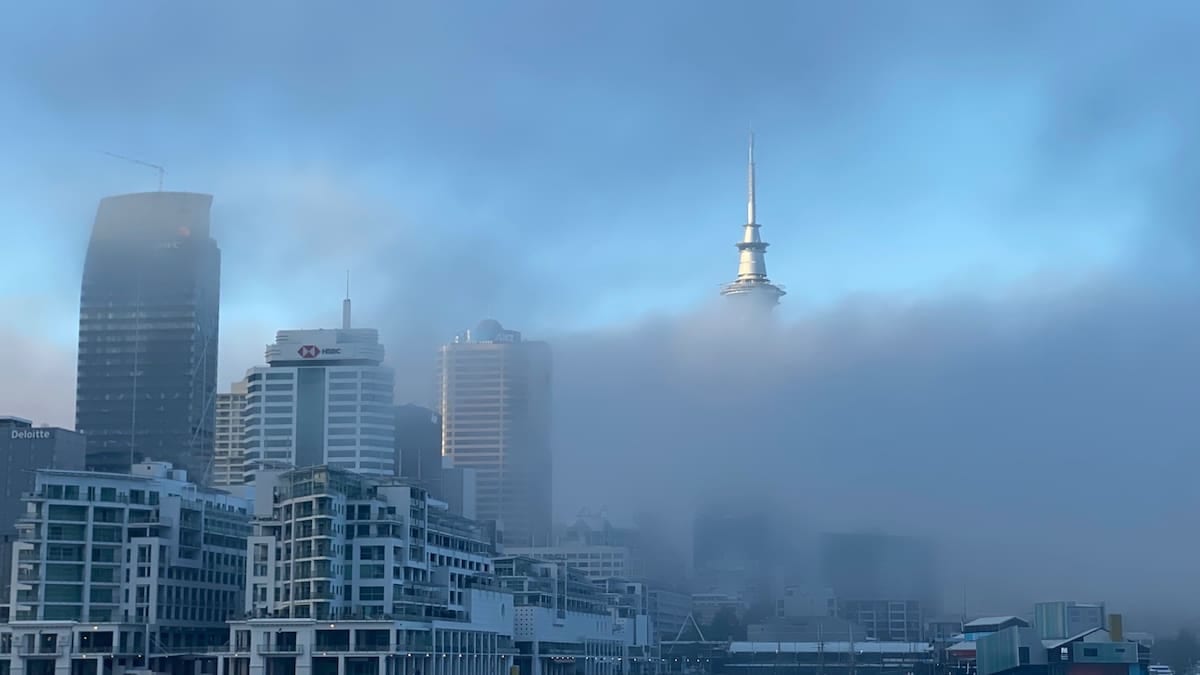
Yellow fog warning covers major commuter belt
The Met Office has a yellow weather warning for fog in place from 6 p.m. on Sunday 8 November until 11 a.m. on Monday 9 November, covering one of the busiest weekday travel periods of the week. Publicly available information shows that the alert stretches from around York to Bath and includes much of southern and eastern England, the Midlands, parts of Wales and sections of Northern Ireland.
According to the Met Office’s accessible warnings information, areas within the alert zone include the East Midlands, East of England, London and South East England, North West England, South West England, Wales, the West Midlands and Yorkshire and the Humber. The service indicates that fog patches became widespread overnight and were expected to be dense in places, with visibility in some locations dropping below 100 metres.
The yellow alert level signals an increased likelihood of weather-related disruption, although impacts are generally classed as low to moderate. Guidance from the National Severe Weather Warning Service notes that yellow warnings are issued where conditions may cause slower journeys, localised transport delays and some risk to daily routines, and urges people to check whether they are directly in the affected areas before travelling.
Forecast detail issued late on Sunday described the set-up as favourable for extensive fog formation, with light winds, clear skies and moist air combining to create what several outlets referred to as a “perfect recipe” for thick fog lingering into the Monday morning rush hour.
Road commuters face slow and hazardous conditions
Early-morning reports from across the warning area indicate significantly reduced speeds on key motorways and A-roads as drivers navigated stretches of very poor visibility. Coverage from UK broadcasters describes difficult conditions along major routes in southern and eastern England, with fog banks clinging to low-lying sections and river valleys that form part of many commuter journeys.
The Met Office warning material highlights the potential for slower journey times and advises motorists to allow extra travel time, check road conditions before setting out and ensure that fog lights are working correctly. Travel information services have reiterated the importance of maintaining larger gaps between vehicles, reducing speed in line with visibility, and avoiding full-beam headlights, which can reflect off dense fog and further reduce what drivers can see.
National guidance on severe weather driving also stresses that drivers should be prepared for sudden changes in visibility where fog forms in patches rather than a continuous sheet. This can be particularly relevant on motorways and dual carriageways used heavily by commuters into cities such as London, Birmingham and Manchester, where traffic may be moving at higher speeds when entering thicker fog.
Road authorities and motoring organisations typically advise cancelling or delaying non-essential journeys in these circumstances, especially in rural areas where there is limited street lighting and a higher risk of encountering slow-moving vehicles, cyclists or pedestrians emerging at very short notice.
Rail, air and bus networks report disruption risks
The fog warning text notes that delays to bus and train services are possible, with some early-morning services running at reduced speeds through the worst-affected sections. Operators often introduce additional safety margins in dense fog, particularly on lines where visibility of signals and trackside infrastructure is restricted.
Air travel is also vulnerable, with the Met Office highlighting the possibility of flight delays or cancellations where visibility drops below airfield operating thresholds. Coverage from outlets including Sky News and ITV News points to the prospect of disruption at airports in the warning area, particularly where low-visibility procedures need to be put in place and arriving aircraft are required to hold or divert until conditions improve.
Fog can also affect regional and local bus networks by slowing general traffic flow and making it harder for drivers to maintain timetables. Public transport guidance published in connection with the warning encourages passengers to check live updates from rail and bus operators before travelling and to allow extra time for transfers between different modes, such as rail-to-bus connections at commuter hubs.
Ferry services in estuarial and coastal locations covered by the warning may also experience schedule changes where harbour visibility is restricted. The Met Office’s general severe-weather advice recommends checking directly with operators for any route-specific alterations on days when visibility is poor.
Why this fog episode matters for travellers
Fog is a regular feature of late autumn and early winter in the UK, but widespread, dense fog coinciding with a Monday morning rush period has a particular impact on mobility. According to Met Office background material on the National Severe Weather Warning Service, thick fog can disrupt all transport networks, including roads, rail, aviation and maritime routes, when visibility drops sharply and persists through peak travel windows.
For domestic travellers, this can mean missed connections, longer door-to-door journey times and the need to adjust working hours or switch temporarily to remote arrangements. For international visitors arriving or departing through affected airports, fog episodes can lead to altered itineraries, overnight stays or missed onward travel, particularly where connections rely on tight transfer times.
The current yellow warning follows a series of fog advisories over the preceding weekend, with earlier alerts covering Saturday night and Sunday morning in parts of England and Wales. Publicly available forecast commentary suggests that light winds and clear skies have allowed fog patches to form repeatedly overnight, with each successive morning seeing a slow clearance through late morning as the November sun struggles to break through.
Travel-focused organisations underline that even relatively short-lived fog events can have knock-on effects throughout the day, as early delays ripple through peak services and rolling stock or aircraft are displaced from their planned rotations.
Practical guidance for navigating the foggy start to the week
With the yellow warning valid until late morning on Monday, travel and weather services recommend that people planning essential journeys build in additional flexibility. This includes checking regional forecasts before departure, monitoring live journey planners for roads and public transport, and considering alternative routes that avoid higher-risk locations such as exposed motorways, open countryside or river crossings where fog can be particularly persistent.
For motorists, basic checks on lights, wipers and screen wash can help maintain visibility, while planning rest breaks may ease the additional strain of driving in challenging conditions. Standard safety advice suggests using dipped headlights with front and rear fog lights when visibility falls below 100 metres, and switching fog lights off once conditions improve to avoid dazzling other road users.
Rail and bus passengers are encouraged to travel earlier or later where tickets allow, particularly if they need to make onward connections by air or long-distance rail. Published guidance on severe weather travel also advises carrying essentials such as water and warm clothing in case journeys take longer than scheduled on cold November mornings.
The Met Office notes that warnings can change as new information becomes available, and travellers are urged to stay updated on any revisions to the fog alert or to subsequent weather systems moving in later in the week. As the UK heads deeper into the autumn and winter period, forecasters indicate that further episodes of fog are possible, meaning commuters and visitors alike may need to factor reduced visibility into travel plans more frequently.