


More news on this day
Emergency crews in Valencia County, New Mexico, responded to a train fire that disrupted travel through the area and drew renewed attention to rail safety along a key Southwest freight corridor.
Get the latest news straight to your inbox!
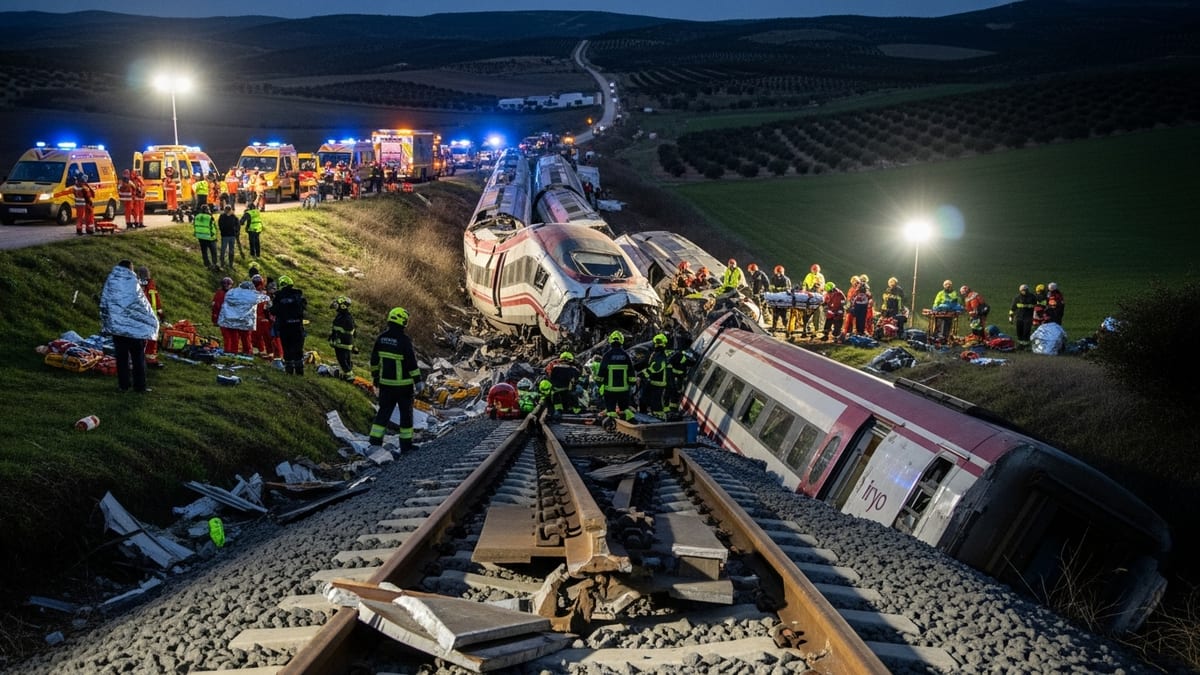
Fire Along Busy Freight Route in Central New Mexico
Initial reports indicate that the incident occurred on a freight line traversing Valencia County, a critical north–south and east–west connector for rail traffic in central New Mexico. The line carries a mix of bulk commodities and intermodal freight serving regional industries and long-haul routes across the Southwest.
Publicly available information shows that the fire involved multiple rail cars and produced a visible plume that could be seen from nearby communities. Early accounts describe localized flames around one section of the train, with crews focusing on preventing the blaze from spreading along the consist or into adjacent vegetation.
Valencia County sits just south of Albuquerque and is crossed by both mainline freight tracks and commuter rail infrastructure. The mix of industrial, residential, and agricultural land uses along the corridor increases sensitivity to any disruption, particularly when smoke or fire is visible from highways and nearby neighborhoods.
Reports from the scene suggest that access for responders was largely along existing railroad service roads and nearby crossings. That access helped crews position equipment to cool rail cars, monitor any potential hazardous materials, and keep the blaze contained to the immediate incident area.
Evacuations, Closures and Travel Disruption
According to regional coverage, the fire led to temporary disruptions to both rail operations and nearby road traffic. Freight rail movements were halted in the immediate section of track while responders worked to secure the scene and assess the integrity of the affected cars and rail infrastructure.
Some reports indicate that local roads near the tracks experienced closures or restricted lanes as emergency vehicles moved into the area and as smoke reduced visibility. Travelers moving between communities in Valencia County faced detours and slower traffic while the response was under way.
Passenger services using the broader central New Mexico rail corridor, including commuter operations that connect Albuquerque with communities to the south, monitored the situation for potential schedule impacts. Early indications suggest that any disruptions to passenger timetables were limited in duration as rail managers worked around the affected segment.
For residents and visitors, the incident served as a reminder that transportation infrastructure in the region is closely interlinked. A disruption on the rails can quickly spill over to highways and local streets, affecting commuting patterns, freight deliveries, and regional tourism traffic.
Safety, Hazardous Cargo and Environmental Concerns
In the hours after the fire, attention turned to the cargo manifest and the broader question of what was on board the affected train. Publicly available information did not immediately indicate a large-scale hazardous materials release, but the presence of tank cars and mixed freight naturally raised concerns among nearby residents.
Railroads across the United States routinely move fuels, chemicals, and other hazardous products through rural and urban communities. Recent high-profile derailments and fires in other states have intensified scrutiny of tank car design, braking systems, and inspection practices, and the Valencia County fire is likely to be viewed through that national lens.
Environmental considerations in this part of New Mexico include proximity to the Rio Grande corridor and to agricultural lands that depend on irrigation networks and groundwater. Any significant release would be closely watched for potential impacts on soil, air quality, and water resources, particularly during the hot and often windy late-summer period.
For now, available coverage points mainly to localized fire damage on the train itself and limited spread to surrounding terrain. Follow-up inspections of the track bed, ties, and signaling equipment will be important to ensure that long-term safety and reliability of the corridor are not compromised.
Preparedness in a Season of Elevated Fire Risk
The incident comes during a period when much of New Mexico experiences elevated fire danger, fueled by hot temperatures, gusty winds, and dry vegetation. Valencia County’s mix of bosque areas along the river, open rangeland, and growing residential subdivisions creates a challenging backdrop for any ignition source, including sparks or radiant heat from rail operations.
Recent wildfire seasons have prompted updated community wildfire protection plans and investments in training for both structural and wildland firefighting in central New Mexico. Public documents show that Valencia County agencies have participated in regional exercises and coursework designed to improve coordination around complex incidents such as transportation-related fires.
Rail infrastructure has been a recurring feature in such planning efforts, given the potential for derailments, trackside brush fires, and hazardous materials incidents to occur near communities and key transportation nodes. The response to the current train fire is likely to inform future drills and equipment purchases as agencies evaluate what worked well and where additional capacity may be needed.
For travelers and residents alike, the intersection of wildfire risk and rail traffic underscores the importance of situational awareness, adherence to closure notices, and patience when emergency responses disrupt normal patterns. Such incidents can evolve quickly, and keeping corridors clear for responders is a key part of limiting damage.
Implications for Rail Travelers and Regional Tourism
Valencia County occupies a strategic position for travelers moving through New Mexico, whether by car, train, or air via nearby Albuquerque. Any incident on the main rail lines has the potential to ripple through passenger itineraries and freight schedules, affecting visitors as well as local businesses that depend on timely deliveries.
Travel industry observers note that rail safety has become an important factor for visitors considering multi-modal trips that combine scenic driving routes with rail segments. While train travel in the United States remains statistically safe, visible incidents such as a train fire can heighten public concern and prompt renewed interest in safety records and emergency planning along popular corridors.
Regional tourism organizations often highlight the convenience of rail connections for accessing historic towns, cultural sites, and outdoor recreation areas in central New Mexico. Continued transparency about incidents, clear communication of any service changes, and swift restoration of normal operations are viewed as essential to maintaining traveler confidence.
As more information about the Valencia County train fire emerges, travelers planning routes through New Mexico are likely to monitor schedule updates and traffic reports, while local agencies and rail operators evaluate lessons learned from another high-profile stress test of the region’s transportation network.