


More news on this day
WestJet flight cancellations are beginning to taper off as the Canadian carrier rebuilds its network after a brief strike by flight attendants that disrupted travel for thousands of passengers over the busy August long weekend.
Get the latest news straight to your inbox!
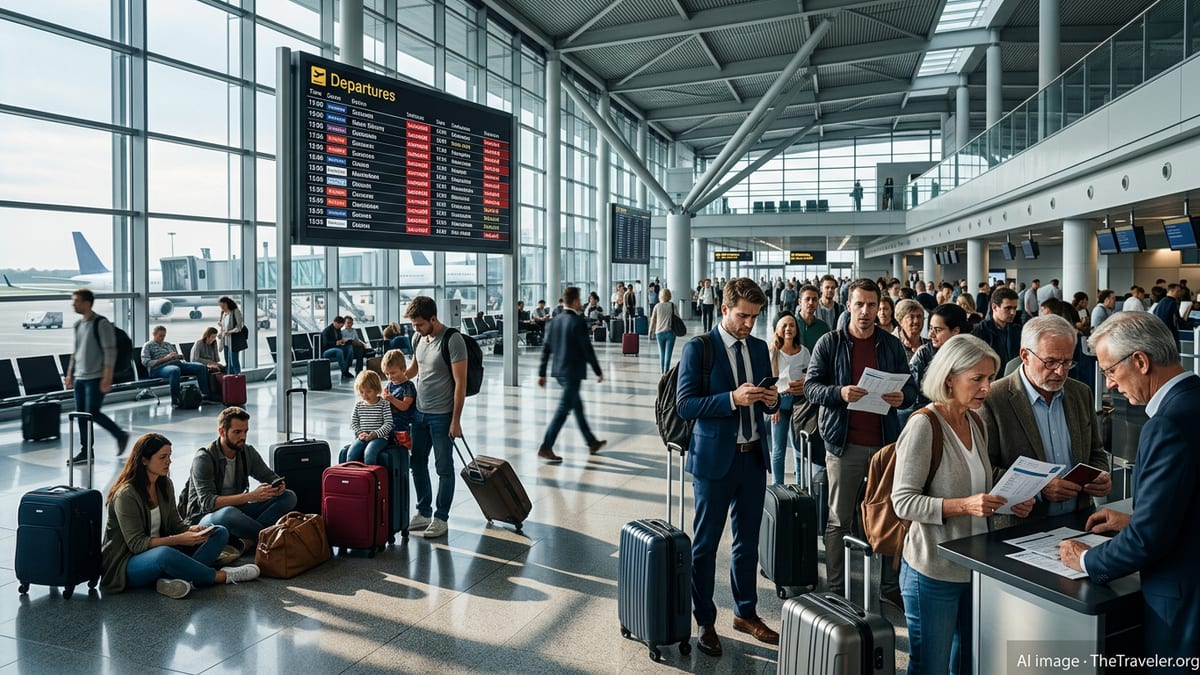
Operations stabilizing after tentative labour deal
Publicly available information indicates that WestJet and the union representing its flight attendants reached a tentative agreement on August 3, effectively ending job action that had triggered significant schedule cuts at the height of the summer travel season. The deal came after several days of uncertainty for travelers, as the carrier preemptively thinned its schedule and then cancelled additional flights once the walkout began.
Reports describe the strike as relatively short in duration, but highly disruptive because it overlapped with a statutory holiday weekend in much of Canada, a period when flights typically operate near capacity. Ahead of the stoppage, WestJet had already warned of potential impacts and began consolidating flights in an effort to avoid aircraft and crews becoming stranded away from their bases.
As the tentative agreement took hold, the airline began the process of restoring regular operations, reactivating aircraft that had been parked and assigning crews back to their rotations. Industry commentary suggests that such a recovery typically unfolds over several days, as airlines balance the need to resume normal service with the complexity of repositioning planes and staff across a continent-wide network.
While the number of fresh cancellations has been declining since the deal was announced, schedule data and passenger reports indicate that the carrier is still operating a trimmed timetable on some routes while it works through logistical bottlenecks.
Passengers still facing residual delays and disrupted plans
Even as the immediate crisis has eased, travelers are continuing to experience residual disruption. According to published coverage and traveler accounts, some passengers are still encountering last minute schedule changes, rebookings onto different routings, and extended wait times at call centers and airport service desks.
Social media posts and online forums show customers describing long lineups and difficulty reaching the airline by phone during the height of the strike and in its immediate aftermath. Although the pace of new cancellations has slowed, many travelers are still dealing with missed connections, lost vacation days and out-of-pocket costs from hotel stays and alternate travel arrangements.
Consumer advocates note that the timing of the strike amplified the impact. With many flights already sold out for the holiday weekend, options to rebook on other carriers or later departures were limited, especially on popular domestic and transborder routes. Some travelers opted to cancel trips entirely rather than gamble on further delays as the airline worked to piece its schedule back together.
Reports also suggest that some passengers remain uncertain about their compensation and rebooking rights, particularly for flights cancelled in anticipation of the strike compared with those scrubbed after job action began. Legal guidance and government regulations can draw distinctions between these scenarios, which may influence entitlements to refunds, rebookings or additional assistance.
Flexibility policies and guidance for upcoming travelers
To manage the fallout, WestJet has implemented temporary flexible travel policies around the strike period, according to publicly posted advisories and customer communications. These measures generally include the ability to change or cancel affected bookings without the usual penalties for travel over specific dates, although the precise conditions vary by fare type and itinerary.
Travel industry analysts suggest that passengers booked with WestJet in the coming days should monitor their flight status closely, even as the situation improves. Same day adjustments to aircraft assignments and crew availability can still produce isolated delays and cancellations while the operation returns to normal patterns.
Experts commonly recommend that travelers allow additional buffer time for connections, particularly when itineraries involve tight layovers or transfers between domestic and international services. Arriving at the airport earlier than usual can also help mitigate the effect of longer lines at check in and security, which sometimes accompany schedule disruptions.
For those still seeking resolution of disrupted trips, publicly available guidance from passenger rights groups indicates that keeping detailed records of expenses, receipts and communications with the airline can assist in pursuing reimbursement or claims later on. Many passengers are also turning to their travel insurers or credit card providers to clarify what additional coverage may apply beyond any remedies offered directly by the carrier.
Labour tensions spotlight wider airline staffing pressures
The WestJet work stoppage is the latest in a series of labour flashpoints across North American aviation, reflecting broader tensions over pay, scheduling and working conditions as travel demand has rebounded. Recent Canadian airline disputes have involved both flight attendants and other critical operational staff, underlining how sensitive modern flight networks are to even short interruptions.
Analysts quoted in recent coverage point to a tight labor market, inflationary pressures and lingering fatigue from the pandemic period as key drivers of these negotiations. Flight attendants at WestJet and other carriers have pressed for higher wages, more predictable schedules and compensation for duties performed outside active flight time, such as boarding and turnaround activities at the gate.
For airlines, these disputes highlight the challenge of balancing cost control with the need to retain and attract skilled staff in a competitive environment. Carriers that expanded rapidly into new routes or restored capacity quickly after the pandemic recovery are now facing increased operational complexity, leaving them more exposed when key employee groups take job action.
Industry observers say the episode at WestJet may be studied closely by other airlines and unions as they enter or continue their own contract talks, particularly regarding provisions that address unpaid work and the structure of hourly pay. The outcome of the tentative deal and its eventual ratification will likely shape expectations across the sector.
What the recovery means for the rest of the summer
With the strike halted and cancellations easing, attention is turning to what the recovery will mean for the remainder of the summer travel period. Network data and aviation analysis suggest that each successive day after labour disruptions typically brings a measurable improvement in on time performance and completion rates, provided no new operational shocks occur.
For WestJet, restoring confidence among travelers will be a key objective as it rebuilds its schedule. Travel agents and corporate travel planners are expected to watch the carrier’s reliability metrics closely over the next several weeks, particularly on high yield transcontinental and international routes where business travelers are more sensitive to disruption.
Leisure travelers, meanwhile, may weigh the recent strike when making decisions about late summer and early autumn trips. However, historical patterns show that demand often rebounds quickly once airlines demonstrate a return to stable operations, especially when alternative options are limited or more expensive.
As the airline ramps back up and cancellations continue to taper off, the coming days are likely to determine how quickly WestJet can fully restore its network and reassure passengers that the turbulence of the strike period is firmly behind it.