


More news on this day
Fresh rounds of flight cancellations involving Kuwait Airways, Pegasus Airlines and several other carriers are leaving travellers stranded across Türkiye, amid ongoing airspace restrictions and rapidly shifting route plans to Kuwait City, Copenhagen, Moscow and other major hubs.
Get the latest news straight to your inbox!
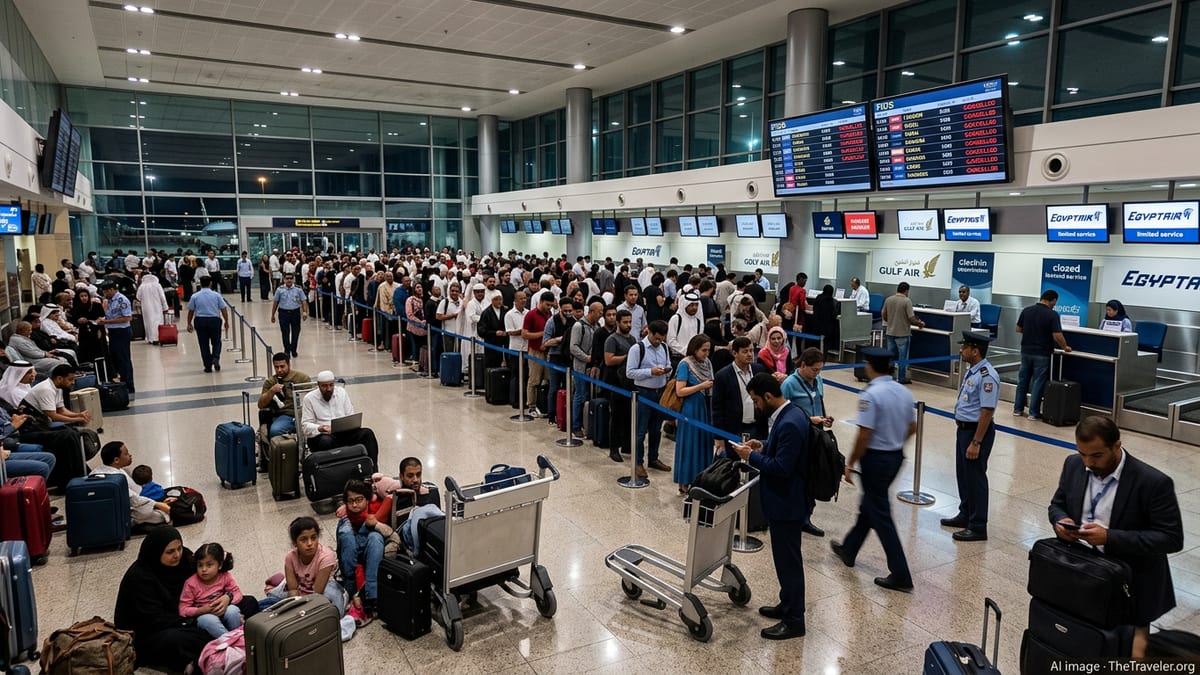
Airspace Shocks Ripple From Kuwait to Turkish Hubs
The latest disruption traces back to the suspension of regular commercial traffic at Kuwait International Airport from late February 2026 after a series of drone strikes and subsequent security concerns led to a full closure of Kuwaiti airspace. Publicly available information shows that, while a phased reopening for limited services began in late April, schedules remain highly constrained and subject to last minute changes, particularly on routes linking Türkiye with Kuwait City and onward long haul destinations.
Kuwait Airways has issued multiple advisories this spring referring to suspended services and flexible refund policies for passengers whose tickets fall within the affected period. Reports indicate that travellers holding itineraries via Kuwait have seen connections to Europe, South Asia and North America disappear from booking systems for parts of the summer season, with some being notified only days before planned departure that their flights are cancelled without a clear rerouting option.
For passengers starting or transiting in Türkiye, these Kuwait related suspensions mean a sudden loss of one of the region’s key transfer points. Kuwait City has served as a niche but important connector for price sensitive and regional itineraries out of Istanbul, Ankara and Antalya. The continued uncertainty around Kuwait’s full return to normal operations is now cascading through travel plans well into May and June.
Pegasus Airlines Cuts Gulf and Adjusts European Services
Low cost carrier Pegasus Airlines, which uses Istanbul Sabiha Gökçen as a major hub, has also been trimming its schedule as airspace restrictions and changing demand patterns reshape regional flying. Corporate disclosures and investor updates indicate that Pegasus cancelled flights to several Gulf destinations, including Kuwait, earlier in the spring in response to restrictions over parts of the Middle East.
While many Pegasus routes within Europe and to Russia remain active, timetable checks for early May show intermittent cancellations and schedule changes on services touching Moscow and certain Nordic cities. Travel search platforms list multiple days with altered timings or removed frequencies on connections between Türkiye and Moscow, reflecting both operational constraints and the need to reroute around sensitive airspace.
These schedule shifts have caught some travellers mid journey. Social media posts and traveller forums describe passengers reaching Istanbul or Antalya on an initial Pegasus leg only to find a connecting flight to the Gulf or Northern Europe cancelled, leaving them in airport terminals overnight with limited information on alternative options. In several cases, remaining seats on the same route for subsequent days were already sold out, forcing passengers to purchase new one way tickets on other carriers at elevated last minute prices.
Kuwait Airways Redraws Its Network After Two Month Shutdown
As Kuwait Airways rebuilds its network following the two month closure of its home hub, published coverage in regional newspapers points to a cautious approach focused on selected destinations and reduced frequencies. Early phases of its restart have concentrated on high demand regional links and a handful of European cities, while some previous routes are yet to reappear in summer schedules.
Passengers connecting between Türkiye and destinations such as Copenhagen or Amsterdam via Kuwait report particular uncertainty. Trip planners examining June availability on Kuwait Airways note gaps in the timetable where flights previously offered daily or near daily service. In some instances, travellers say they initially booked itineraries months ago, only to see their onward segments from Kuwait removed during the spring as the airline updated its plans.
This evolving network strategy is leaving Turkish originating travellers with fewer one stop options to parts of Northern Europe. Routes that once relied on Kuwait as a convenient intermediate point are now being funnelled through larger hubs such as Istanbul Airport, Doha or Abu Dhabi. Capacity constraints at those hubs, combined with higher demand from rerouted passengers, are contributing to higher fares and reduced flexibility for last minute changes.
Stranded in Istanbul and Antalya as Four Key Links Vanish
The combined effect of Kuwait’s airspace disruption and airline specific cancellations is being felt most acutely at Türkiye’s busiest airports. Recent operational reports from Istanbul Airport and Istanbul Sabiha Gökçen describe days with dozens of cancellations and delays across multiple carriers, including Turkish Airlines and Pegasus, creating knock on effects for passengers heading to Kuwait City, Copenhagen, Moscow and other hubs.
Travel industry analysis notes that the loss or reduction of four emblematic links Istanbul to Kuwait City, Kuwait City to Copenhagen, certain Moscow services operated by Turkish carriers, and selected Northern European routes has removed important pieces from the region’s connectivity map. When a single leg is cancelled, through tickets often become unusable, particularly for passengers on separate low cost itineraries who lack automatic protection or rebooking.
Accounts from travellers show how quickly this can escalate. A passenger booked from a regional Turkish city to Istanbul and onward to Kuwait found the second leg cancelled while already in transit, with the only immediate alternatives involving travel to Doha or Riyadh followed by separate tickets. Others heading to Scandinavia via an intermediate stop in the Gulf saw their long haul segments vanish, forcing unplanned overnights in Istanbul hotels or at airport seating areas while they searched for new connections.
What Travellers in Türkiye Can Do Now
Given the continuing volatility, travel experts recommend that passengers with itineraries touching Kuwait City or involving Pegasus routes to the Gulf and Russia monitor their bookings closely in the days leading up to departure. Publicly available guidance from airlines and consumer organisations stresses the importance of checking flight status on official channels, confirming transit rules and ensuring that contact details in reservations are up to date so that cancellation notices are received promptly.
In situations where flights are cancelled, passenger rights and available remedies vary depending on the airline, the point of departure and the type of ticket. For departures from European Union or Türkiye based airports on qualifying carriers, travellers may be entitled to rebooking, care such as meals and accommodation, or financial compensation when disruptions are not caused by extraordinary circumstances. For cancellations linked directly to airspace closures or security risks, however, compensation is often excluded even though refunds should still be available.
For now, anyone planning journeys from Türkiye to Kuwait City, Copenhagen, Moscow or other affected destinations faces a more complex landscape than in previous seasons. The combination of airspace restrictions, evolving airline networks and strong demand on remaining routes is likely to keep pressure on fares and availability through the coming weeks, prompting travel planners to build in extra time and flexibility as they navigate their way through the current wave of cancellations.