


More news on this day
Two tropical storms barrelling toward Japan have led to more than 100 flight cancellations and widespread travel disruption, as heavy rain, strong winds and flood risks intensify across parts of the archipelago.
Get the latest news straight to your inbox!
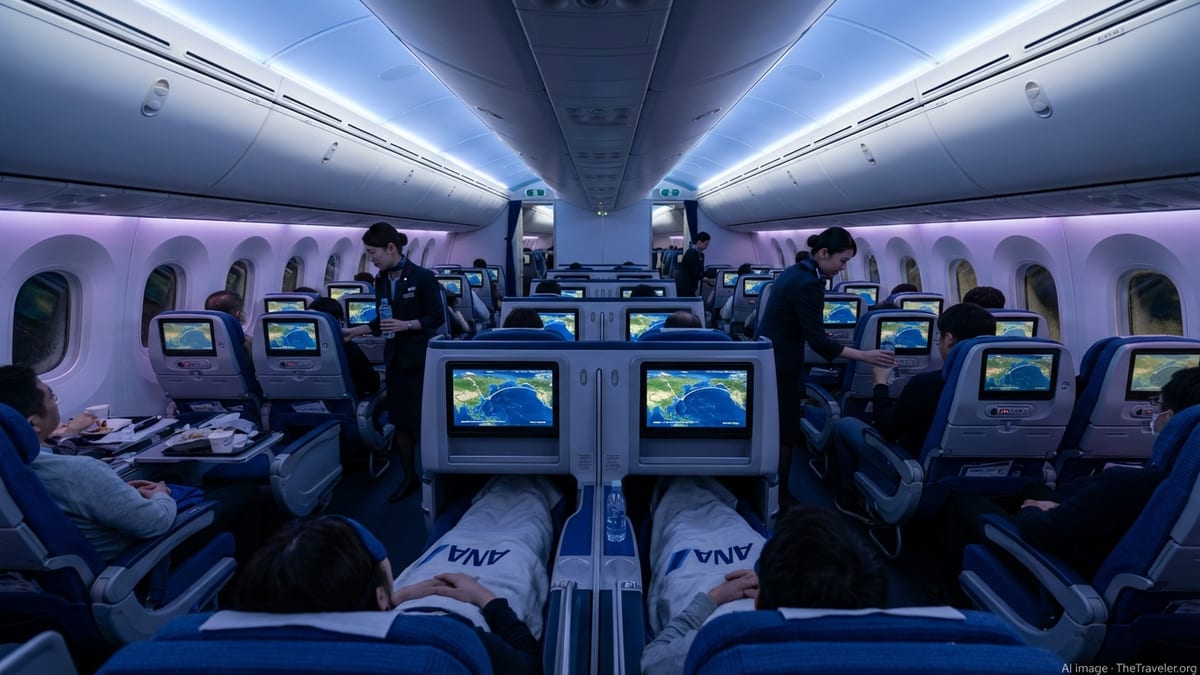
Airlines scrub domestic routes as storms close in
Japanese carriers have cancelled more than 100 flights as severe tropical storm Mekkhala and tropical storm Higos track toward Japan, according to multiple news reports published on Friday and Saturday. The majority of affected services involve southern and western regions, where conditions are already deteriorating under bands of heavy rain and strengthening gusts.
Japan Airlines and All Nippon Airways have grounded scores of domestic flights serving Okinawa, Kagoshima and other airports across Kyushu and Shikoku, with some cancellations also affecting routes into central and northern Japan. Regional airlines have adjusted schedules as well, cutting or consolidating services where demand has slumped and weather risks have risen.
Published information indicates that as of Saturday morning at least 120 flights had been cancelled, with numbers expected to fluctuate as the storms’ tracks are updated. Travellers are being urged to monitor airline notices closely, as same-day changes remain possible while the systems move closer to the main islands.
The disruption adds pressure to one of Japan’s peak domestic travel periods, with summer trips to coastal destinations and island resorts particularly affected. Airports serving the southern islands have reported periods of strong crosswinds and low visibility, conditions that can quickly render takeoff and landing unsafe.
Mekkhala and Higos raise flooding and landslide concerns
Meteorological agencies report that Mekkhala, once a typhoon and now classified as a severe tropical storm, is still packing gusts of up to around 140 kilometres per hour as it skirts southern Japan. Its broad rain shield has already brought intense downpours to sections of Kyushu and Shikoku, overwhelming drains in some low-lying areas and swelling rivers.
Higos, a separate tropical storm over the Pacific, is forecast to approach from the southeast over the weekend. Forecast charts show the two systems drawing closer together near the Japanese mainland, an interaction that can complicate track and intensity predictions and prolong periods of heavy rain.
Publicly available advisories highlight heightened risks of flash flooding and landslides, particularly in mountainous regions where slopes are already saturated from Japan’s seasonal rain front. In some prefectures, local governments have issued evacuation advisories and opened shelters for residents in areas prone to debris flows and overflowing rivers.
For travellers, those same hazards can quickly affect surface transport. Mountain roads and coastal highways in southern Japan have already seen temporary closures because of fallen trees, rockfalls or standing water, while some local railway operators have announced pre-emptive suspensions on sections vulnerable to flooding.
Potential Fujiwhara effect complicates storm forecasts
Forecasters are paying close attention to the possibility of a Fujiwhara effect, an atmospheric interaction that occurs when two nearby cyclonic systems begin to orbit around a common point. In such scenarios, storms can curve unexpectedly, accelerate or decelerate, or even merge into a single, larger system.
Meteorological analyses in Japanese and international coverage note that Mekkhala’s broader circulation could draw Higos closer and potentially alter the timing and location of peak impacts. Depending on how the storms interact with each other and with the seasonal rain front draped over the country, the result could be prolonged heavy rainfall over large parts of Honshu and Shikoku.
For the travel sector, that uncertainty makes operational planning more challenging. Airlines and rail operators typically prefer to decide on suspensions several hours in advance, but evolving model guidance can force repeated schedule revisions. Travellers transiting through hubs such as Tokyo, Osaka and Fukuoka may experience rolling delays, aircraft swaps or last-minute reroutings as carriers try to keep some services running while maintaining safety margins.
Industry analysts note that Japan has become increasingly cautious in suspending transport services ahead of major storms, reflecting past experiences in which fast-intensifying systems caused greater damage than initially expected. The current twin-storm scenario reinforces that shift toward preventive disruption rather than reactive responses.
Impact on tourism, business travel and local events
The timing of the storms is particularly unwelcome for Japan’s tourism industry, which has been benefiting from strong inbound demand and robust domestic leisure travel. Resorts in Okinawa and along the Pacific coast of Kyushu have reported cancellations and shortened stays as visitors rearrange plans to avoid the worst of the weather.
Business outlets in Japan and abroad report that several major manufacturers have temporarily halted operations at selected plants in Kyushu in response to transport disruptions and concerns about employee safety. The pauses are a reminder that tropical storms in Japan can have knock-on effects across regional supply chains, especially in sectors such as automotive and electronics with facilities concentrated in the southwest.
Events planners are also making rapid adjustments. Outdoor festivals, sports fixtures and community gatherings scheduled for this weekend in parts of western and southern Japan have been postponed or moved indoors, based on local announcements. For international visitors, such changes can affect carefully planned itineraries that include specific performances or seasonal celebrations.
Although most major attractions in central Tokyo and other urban centres remain open, operators often shorten opening hours or temporarily close observation decks, amusement rides or waterfront facilities when wind gusts increase. Travellers arriving from unaffected regions of Japan may therefore find experiences modified even if their flights operate as scheduled.
What travellers should watch over the coming days
With both Mekkhala and Higos expected to influence Japan’s weather for several days, travel experts advise that visitors build extra flexibility into plans. That can mean allowing more connection time between flights, considering earlier departures from island destinations and maintaining backup options in case rail or highway links are interrupted.
Airline advisories suggest that many passengers on affected routes may be eligible to rebook without additional fees when disruptions are tied to the storms. However, specific conditions vary by carrier and fare class, making it important for travellers to check the latest notices for their individual tickets and itineraries.
For those already in Japan, local weather information and municipal announcements can provide guidance on when to avoid riversides, coastal promenades and steep hillsides, all of which can become hazardous in periods of torrential rain and strong winds. Urban flooding can also emerge quickly in low-lying neighbourhoods, occasionally affecting access to smaller stations or bus stops even when mainline services continue to run.
As the twin storms continue their approach, the overall picture for travel in Japan remains fluid. Forecasts suggest that the most intense impacts will fall on parts of western and southern Japan, but the broad footprint of rain and wind means ripple effects will likely be felt across the country’s closely connected air, rail and road networks.