

More news on this day
Two Indian nationals are among 149 people stranded aboard a Dutch-flagged cruise ship off the coast of Cape Verde, where a suspected hantavirus outbreak has killed three passengers and triggered an international public health response.
Get the latest news straight to your inbox!
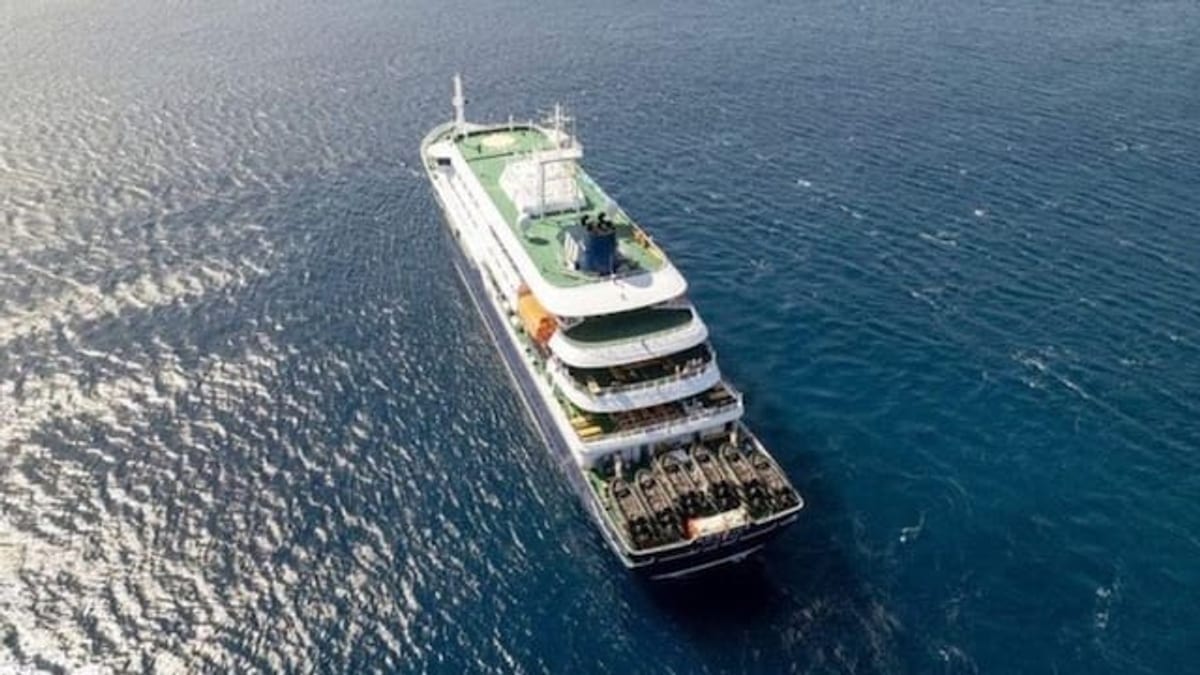
Rare Virus Turns Remote Expedition Cruise Into Global Health Incident
The outbreak is linked to the MV Hondius, a small expedition vessel operating in the Atlantic Ocean with around 150 passengers and crew representing 23 nationalities. Publicly available assessments from international health agencies describe a cluster of severe respiratory illnesses on board, including three deaths and several additional suspected infections.
Reports from scientific and health outlets indicate that two cases of hantavirus infection have so far been laboratory confirmed, with up to five more considered probable or suspected. The World Health Organization has associated the cluster with Andes virus, a hantavirus strain known primarily from South America that can, in rare circumstances, spread from person to person in settings involving close and prolonged contact.
The ship has been anchored near the island nation of Cape Verde since late April, awaiting medical evacuation for the sickest passengers and further testing of potential cases. While the total number of infections remains small, the combination of multiple deaths, a confined shipboard setting and uncertainty over the original source of exposure has drawn worldwide attention.
Travel industry observers note that, unlike more familiar cruise-related outbreaks of norovirus or influenza, hantavirus episodes at sea are virtually unheard of, making this incident an unsettling first for the sector and a complex test of emergency protocols.
Two Indians, One Japanese and Dozens of Nationalities Aboard
Media coverage in South Asia and East Asia has highlighted the presence of at least two Indian nationals and one Japanese citizen among those stranded. Indian and Japanese outlets, citing information from their respective foreign ministries and local embassies, report that their nationals are currently being monitored for symptoms while remaining on board with the rest of the passenger group.
European public health assessments list nationals from numerous countries, including several in the European Union, alongside travelers from North America, Asia and Africa. This highly international passenger list has prompted coordination between multiple governments and health agencies as they work to trace recent contacts and prepare for the eventual disembarkation of the ship.
Families in India, Japan and other affected countries are relying on official advisories and news coverage for updates, as direct communication from the vessel is limited. Reports indicate that those not displaying symptoms are being advised to self-monitor and restrict movement on board, while individuals with any signs of illness are receiving prioritized medical evaluation.
Publicly available statements from regional health authorities suggest that, once passengers return home, they may be subject to health screening, follow-up monitoring and, in some cases, recommendations to limit close contact for a defined period, even if they never developed noticeable symptoms during the voyage.
How Hantavirus Reached a Cruise Ship in the Atlantic
Hantaviruses are typically associated with rodents, with human infection most often linked to inhalation of virus-containing particles from rodent droppings or urine in enclosed or poorly ventilated spaces. Scientific explainers referencing the current incident note that Andes virus, the strain implicated in this outbreak, has been documented in parts of South America and is known to cause hantavirus pulmonary syndrome, a serious lung illness with a relatively high fatality rate.
While investigations are still underway, health experts quoted in international coverage have outlined several possible pathways for introduction of the virus onto a cruise vessel. These include contamination of storage areas by infected rodents before or during the voyage, or infection of a passenger on land in an endemic region prior to boarding, with symptoms later emerging at sea.
In addition, researchers point out that Andes virus is unusual among hantaviruses in its documented capacity for limited human-to-human transmission under specific conditions, such as prolonged close contact within households or healthcare settings. That feature has raised concerns that tight quarters on a ship might have amplified spread among a small group, even if the virus does not transmit efficiently on a population level.
However, epidemiological updates from international bodies emphasize that the overall risk to the wider public remains low, given that transmission outside close contact scenarios is uncommon and that exposed passengers can be identified and followed up through contact tracing once they disembark.
Shipboard Response: Isolation, Testing and Medical Evacuations
According to published coverage describing the timeline on board, the first passenger developed symptoms in early April and died days later. Two additional deaths followed over subsequent weeks, including one passenger whose infection was confirmed only after posthumous testing. As the pattern of severe respiratory illness became clearer, the voyage was curtailed and the ship sought assistance off Cape Verde.
Cape Verdean authorities, supported by international partners, have dispatched medical teams to the vessel over multiple visits. These teams have carried out clinical assessments, collected samples for laboratory testing and arranged evacuations for the most seriously ill passengers to on-shore facilities equipped to provide intensive care and advanced respiratory support.
On board, reports indicate that suspected cases have been isolated from the general passenger population as far as the ship’s layout allows. Crew members have been provided with personal protective equipment during close contact with symptomatic individuals, while areas used by sick passengers are subject to enhanced cleaning and disinfection.
The ship’s operator has stated in publicly released information that it is following guidance from international health agencies in coordinating medical care, testing and eventual disembarkation. Plans under discussion include sailing the vessel to a major port, likely in the Canary Islands, once health authorities determine that it is safe to do so and that a comprehensive environmental investigation can be carried out.
Global Travel Impact and What Passengers Worldwide Should Know
The incident comes at a time when cruise lines are working to reassure travelers after years of heightened concern about infectious diseases at sea. While experts cited in outlets such as the Associated Press, Axios and other international media stress that hantavirus remains rare and that this outbreak involves only a handful of cases, the image of a stranded ship with multiple deaths has revived questions about preparedness for unusual pathogens on cruise itineraries.
Health organizations underline that the primary route of hantavirus transmission is environmental exposure to rodent-contaminated dust, rather than casual contact in public spaces. For most prospective travelers, the individual risk associated with this specific outbreak is considered very low, particularly for those without direct links to the affected ship or its passengers.
Nevertheless, specialists recommend that travelers remain attentive to general infection prevention practices that apply across destinations and transport modes. These include prompt medical evaluation for unexplained fever and respiratory symptoms after travel, especially if they have spent time in rural areas, lodges or storage spaces where rodents may be present.
For the two Indians, the Japanese national and the rest of the multinational group still on board, the immediate priority remains safe evacuation of any remaining patients, structured monitoring for all passengers and crew, and a clear plan for cleaning and assessing the vessel. The findings of that investigation are expected to inform updated guidance for expedition and small-ship cruises operating in remote regions, where access to advanced medical care can be limited when rare but serious infections emerge.