


More news on this day
A viral Reddit post describing a rider stranded near midnight after a wrong Uber drop-off and sudden account lock is intensifying scrutiny of ride-hailing safety in 2026, raising questions about how platforms protect travelers when app access fails at the worst possible moment.
Get the latest news straight to your inbox!
A Midnight Ride Goes Wrong on Reddit
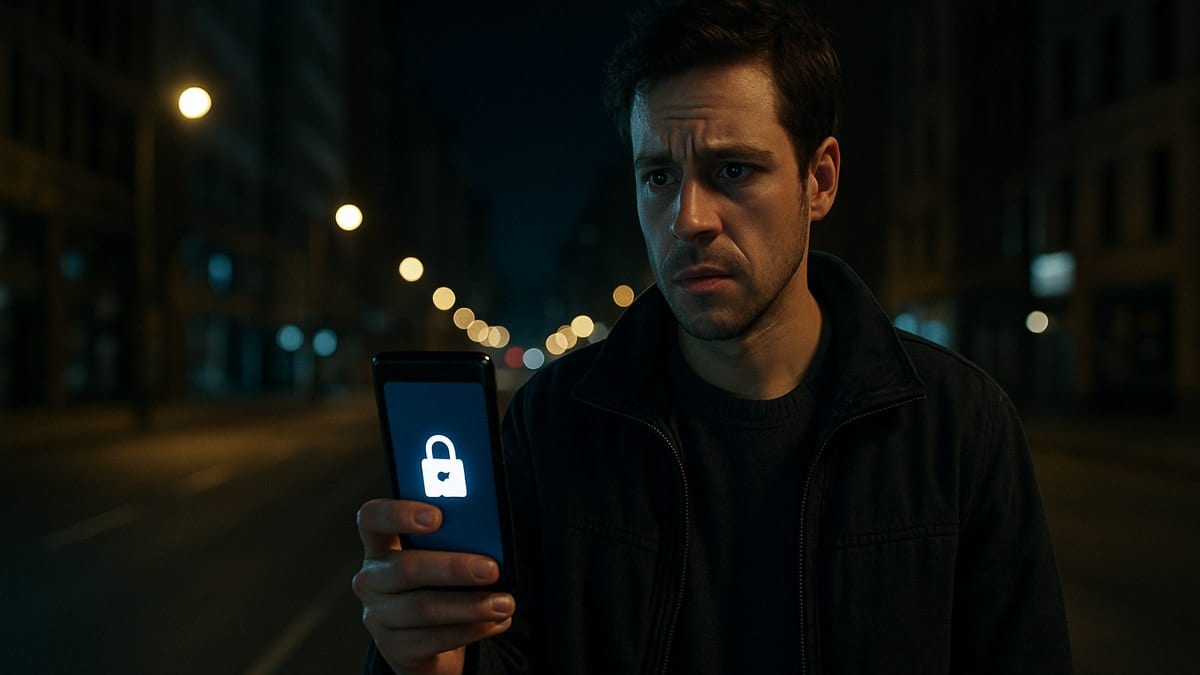
The latest wave of concern began with a detailed account shared on Reddit in early May, in which a user described ordering an Uber for a routine trip home late at night. According to the post, the driver ended the ride at what the passenger believed was the wrong location, then pulled away before the rider could challenge the drop-off or request a correction through the app.
The rider said that, almost immediately after trying to resolve the situation on their phone, their Uber account appeared to lock, preventing them from ordering another car, contacting in-app support or easily accessing safety tools. Stranded at an unfamiliar location close to midnight, the user turned to Reddit to vent and to warn others, prompting a fast-growing comment thread dissecting both driver conduct and Uber’s app design.
Publicly available coverage of the incident highlights the specific fear that many late-night travelers share: that a routine ride could unexpectedly turn into an ordeal with limited recourse if the app malfunctions or if security measures trigger at the wrong time. The episode has become a focal point for a wider debate over how ride-hailing companies design account security, emergency access and dispute resolution for riders who are already on the street.
As the post circulated, Reddit users shared similar experiences involving abrupt account locks, disputed drop-off points and difficulty reaching human support when something goes wrong. The conversation reflects a broader sense that while app-based rides are now deeply embedded in everyday travel, the safety net can still feel fragile when riders are most vulnerable.
Pattern of Safety Complaints Extends Beyond One Post
The viral thread is only the latest in a series of recent social media posts and local news stories that have put Uber’s safety practices back under the microscope. In the United States, a woman in El Paso filed a lawsuit in April 2026 alleging that she and her children endured a terrifying ride, criticizing not just the driver’s behavior but also platform design features that gave the driver too much control over when and how the trip could end.
Other Reddit threads from 2026 chronicle riders who say they felt pressured into paying cleaning fees directly to drivers in cash, as well as disputes over in-app cleaning charges that passengers considered unfair or inadequately reviewed. These accounts, often shared after the fact when riders feel they have exhausted official channels, paint a picture of travelers struggling to navigate opaque support systems while facing unexpected costs and safety anxieties.
There are also posts from drivers who say they were deactivated after what they describe as false or misleading safety complaints, highlighting the tension between protecting riders and giving drivers a fair process. In one widely discussed case, a driver wrote that a single sexual harassment allegation led to immediate loss of access to the platform despite their claim that they had followed safety rules, feeding a parallel conversation about how risk is distributed between both sides of the marketplace.
Taken together, these stories suggest that the Reddit Uber ordeal is resonating not simply because it is unusual, but because it fits into a pattern of incidents that expose gray areas in current safety protocols, accountability mechanisms and the balance of power between rider, driver and platform.
Uber’s New Safety Features Face Fresh Scrutiny
The renewed attention to rider experiences is emerging just as Uber promotes a suite of safety measures rolled out or expanded in recent years. Public documents and company updates describe tools such as an in-app emergency button, live trip tracking, and a verified rider badge introduced in 2024 to give drivers more confidence about who is requesting a trip. These features are framed as part of a wider governance and safety strategy meant to reassure both regulators and the traveling public.
In March 2026, Uber also expanded a women-focused matching option across the United States, allowing women and nonbinary riders to request women drivers where available. The move followed years of criticism over sexual assault complaints linked to ride-hailing and was promoted as a step toward giving vulnerable riders more control over who picks them up, particularly at night.
However, the Reddit account of a rider left stranded after a wrong drop-off has renewed questions about how useful these tools are when account access is interrupted. Commenters and commentators alike are now asking whether critical safety functions, such as contacting support or summoning help, should remain accessible even if an account is temporarily locked or flagged, especially when the rider is already outside a vehicle.
Consumer advocates and safety-focused organizations have for years urged ride-hailing companies to treat emergency access and post-ride support as core infrastructure rather than optional features. The latest controversy is likely to fuel calls for clearer policies on when and how accounts can be restricted, and to ensure that any automated systems do not inadvertently remove a rider’s lifeline in a moment of heightened risk.
Travelers Reassess Late-Night Rideshare Habits
The midnight lockout described on Reddit has struck a particular chord with travelers who rely on Uber and other apps for late-night journeys, airport transfers and solo trips in unfamiliar cities. Across travel forums and social platforms, users are now actively swapping strategies to reduce risk, such as sharing real-time trip details with friends, checking license plates and driver identities carefully, and planning backup options if a ride ends unexpectedly far from home or accommodation.
Recent safety guides aimed at riders, published by nonprofit organizations and security trainers, have emphasized basic precautions including waiting for rides in well-lit public areas, sitting in the back seat, and using built-in safety tools to report concerns as early as possible in a trip. The new Reddit story is being cited as an example of why travelers should also think ahead about what they would do if an app account suddenly stopped working while they were already out on the street.
For many regular users, the incident has also prompted reflection on how much they rely on a single platform for mobility. Some commenters say they now keep multiple ride-hailing apps installed, along with local taxi numbers, transit apps or hotel shuttle details, to avoid being left without options if a technical glitch or policy decision interrupts service at a critical moment.
At the same time, riders continue to point out that app-based services play an important role in reducing drunk driving and providing accessible transport in areas where public transit options are limited. The debate unfolding in 2026 is less about abandoning rideshare altogether and more about demanding that companies build stronger safeguards so that digital convenience does not come at the expense of personal safety.
Regulators and Courts Watching Safety Debates Closely
The wave of 2026 safety discussions is unfolding against a backdrop of mounting legal and regulatory scrutiny for ride-hailing platforms. Lawsuits in several jurisdictions are challenging how companies allocate responsibility when riders are harmed, as well as whether existing safety measures and background checks are sufficient given the scale of reported incidents.
Reports on federal and state litigation in the United States describe thousands of assault-related claims tied to ride-hailing trips, with some recent verdicts awarding significant damages to riders. Advocates argue that these cases underscore the need for deeper structural changes, from better risk prediction tools to independent auditing of safety practices, rather than relying primarily on post-incident support and voluntary reporting.
Policy discussions are also focusing on data transparency. Safety campaigners are pressing platforms to publish more granular statistics about reports, suspensions and outcomes, in order to give riders, drivers and regulators a clearer picture of how complaints are handled. The visibility of viral cases like the Reddit Uber ordeal adds pressure on both companies and officials to explain how existing protocols would, or would not, prevent similar situations in the future.
For travelers planning trips in 2026, the message emerging from the latest controversy is that rideshare safety is evolving, but still contested. As the Reddit story continues to circulate and fresh accounts surface across social platforms and court filings, the question of how secure riders really are when they tap to request a car remains at the center of the global conversation about app-based mobility.