


More news on this day
Nearly 150 passengers and crew aboard the Dutch-flagged expedition ship MV Hondius remain confined to their cabins off the coast of Cape Verde, after a suspected hantavirus outbreak turned an Antarctic adventure cruise into a rare mid-ocean quarantine that has already left three travelers dead and several others seriously ill.
Get the latest news straight to your inbox!
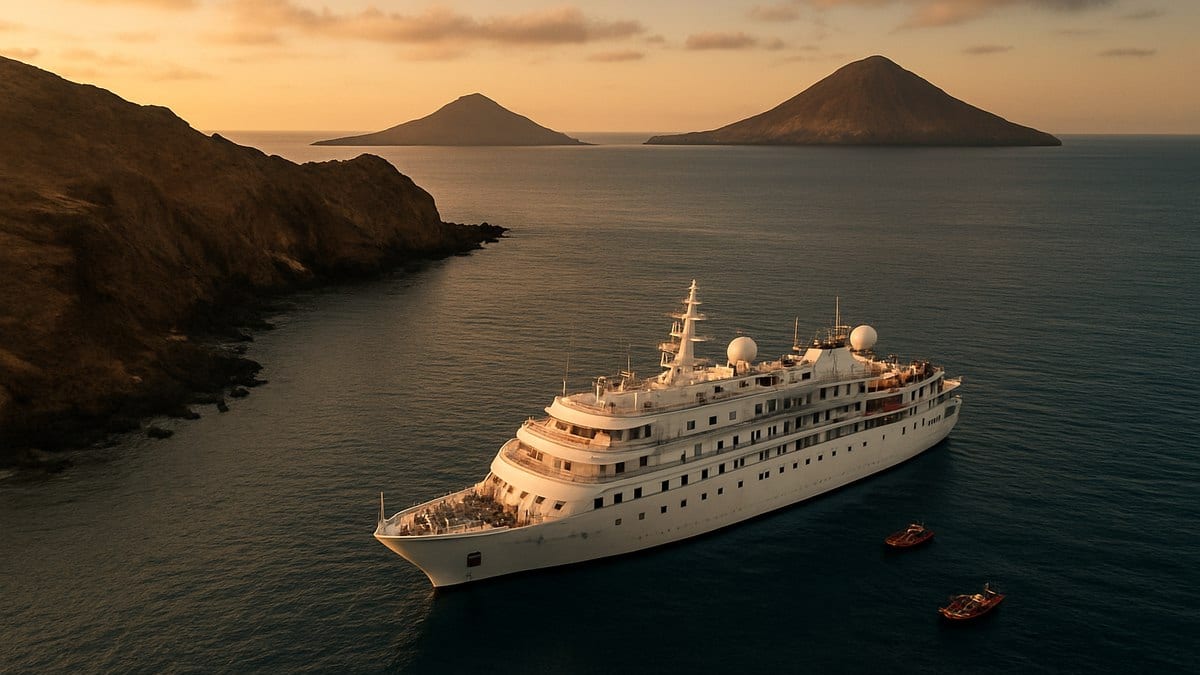
From Antarctic voyage to medical emergency
The MV Hondius set out in March from Ushuaia, Argentina, on a weeks-long itinerary that promised remote wildlife encounters and landings on little-visited South Atlantic islands. Publicly available itineraries indicate that the cruise was due to end in the Cape Verde archipelago before continuing toward Spain’s Canary Islands, placing the ship on a long northbound leg when illness first began to spread on board.
Reports indicate that the first fatal case was recorded on April 11, when a 70-year-old Dutch passenger died after developing severe respiratory symptoms while the ship was still in the South Atlantic. His body was later disembarked on the British territory of Saint Helena, where initial testing pointed to hantavirus infection and raised the alarm about a potential outbreak linked to the voyage.
Subsequent cases involved the man’s spouse and at least one German traveler, who developed similar symptoms after leaving the vessel. National health agencies in South Africa and the Netherlands have issued statements confirming that these patients were part of a cluster connected to the same cruise itinerary, prompting closer scrutiny of everyone remaining on board.
By early May, investigators working with international health agencies had identified multiple confirmed or suspected hantavirus infections linked to the ship, including three deaths and several serious cases. The MV Hondius, which had continued its route toward Cape Verde, was ordered to anchor off the capital Praia while assessments and evacuation plans were developed.
Cabin isolation and life on a stranded ship
Footage and passenger accounts cited in international coverage show a vessel that has largely shut down normal operations as nearly 150 people ride out an uncertain wait at anchor. Decks that only days earlier hosted wildlife briefings and photography workshops now appear mostly empty, while common areas such as lounges and dining rooms are closed to prevent close contact.
Publicly available information from the ship’s operator and health agencies indicates that passengers were instructed to remain inside their cabins as a precaution once the outbreak was recognized. Meals are being delivered to doors, masks and disinfectants are widely distributed, and crew members interacting with guests or medical facilities are seen in full protective equipment.
Reports from those on board describe a rhythm familiar from earlier cruise quarantines: temperature checks, health questionnaires and repeated reminders to report any new symptoms immediately. For many travelers, the dramatic shift from shore excursions among icebergs and penguins to long hours confined in small staterooms has been abrupt, heightening anxiety about both infection risk and the uncertainty of when they will be allowed to disembark.
Coverage in travel and mainstream outlets notes that internet access has become a lifeline for stranded guests, who are following news headlines about their own situation while waiting for official updates over the ship’s public address system. Families at home are relying on intermittent messages and social media posts to track the status of their relatives at sea.
Why hantavirus on a cruise alarms health experts
Hantavirus infections are relatively rare compared with more familiar respiratory viruses, and are better known for outbreaks linked to rodent exposure in rural settings than for transmission at sea. Health references describe the virus as typically spread through contact with the urine, droppings or saliva of infected rodents, often when particles become airborne and are inhaled.
The suspected cluster aboard the MV Hondius is drawing particular attention because of indications that at least some infections may have involved limited person-to-person spread. The World Health Organization has said that the strain involved appears to be a type of Andes virus, one of the few hantaviruses previously documented to spread between humans under conditions of close and prolonged contact.
Investigators cited in international reporting note that no evidence of rodent infestation has been publicized on the ship, leading to a working hypothesis that an infected passenger may have boarded already carrying the virus after travel in South America. In the confined environment of a cruise vessel, where guests share dining spaces, excursions and long-haul flights, even rare transmission routes become more consequential.
Medical summaries emphasize that hantavirus infection can progress rapidly from flu-like symptoms to severe respiratory distress, with significant fatality rates in some outbreaks. That profile, combined with the logistical constraints of treating critically ill patients far from shore, has shaped the cautious approach to the Hondius, including the decision to restrict movement on board and stage medical evacuations by air.
Stalled between Cape Verde and the Canary Islands
Since the ship’s arrival off Cape Verde in recent days, local authorities have declined to allow the Hondius to dock, citing the need to protect the archipelago’s public health. Government statements and regional media coverage describe a stance that balances humanitarian concerns for the passengers with worries about introducing a rare and poorly understood pathogen to island communities.
At the same time, the ship’s Netherlands-based operator has indicated that the Hondius is expected to continue on to Spain’s Canary Islands once key medical evacuations are completed. Reports from European news outlets state that Spanish officials are monitoring the situation as plans are drawn up for the vessel’s possible arrival under strict health protocols.
Several of the most seriously ill passengers have already been transported off the vessel. A British traveler who left the ship earlier in the voyage is being treated in intensive care in South Africa, while European media report that at least three other patients with suspected or confirmed hantavirus infections have been flown to the Netherlands on medically equipped aircraft.
For those still aboard, the immediate future remains uncertain. While international agencies describe the broader risk to the general public as low, the combination of a rare virus, confined living conditions and evolving port decisions has left nearly 150 people in a protracted limbo, watching the Cape Verde coastline from behind closed cabin doors as their once-remote cruise becomes a test case for managing emerging infections at sea.