


More news on this day
Thousands of Spirit Airlines passengers were left scrambling for a way home after the ultra low cost carrier abruptly shut down all operations on May 2, canceling every flight and instructing customers not to go to the airport.
Get the latest news straight to your inbox!
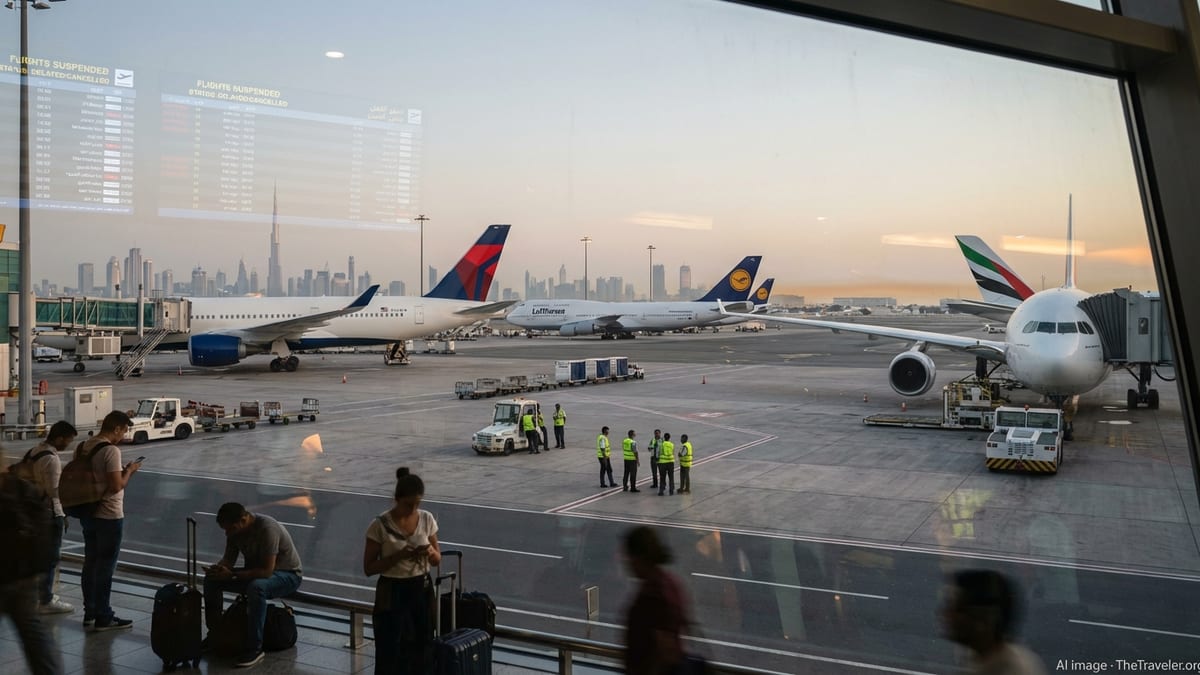
Abrupt halt to operations leaves travelers in limbo
Spirit Airlines, long known for its bright yellow jets and bare-bones fares, began an “orderly wind-down” of operations in the early hours of May 2 after prolonged financial struggles and failed efforts to secure a federal rescue. Publicly available statements from the company indicate that all remaining flights were canceled effective around 3 a.m. Eastern time, ending more than three decades of service.
The shutdown immediately stranded passengers at airports across the United States, the Caribbean, and Latin America. Reports from major airports describe confused travelers learning via overnight alerts, terminal signage, and media coverage that their flights no longer existed and that Spirit’s customer service channels were no longer available to assist with rebooking.
Travel coverage notes that the airline had already been operating under the cloud of a second bankruptcy and rising fuel costs, with warnings in April that a liquidation was increasingly likely if a last-ditch bailout did not come together. When that support failed to materialize, the carrier moved directly to ceasing operations rather than a gradual scale-back, leaving little time for passengers to adjust their plans.
Guidance on airport and airline websites now advises Spirit ticket holders not to show up for their scheduled departures, and to instead seek alternatives with other carriers or request assistance through their credit card providers and travel agents.
Scenes of disruption at major hubs
In the hours after the shutdown, images from airports such as Orlando, Fort Lauderdale, Las Vegas, and Atlanta showed Spirit check-in counters dark and cordoned off, with hastily printed notices explaining that flights had been canceled and that the airline had ceased operations. Travelers who had already arrived for early morning departures were left trying to secure scarce seats on remaining flights operated by competitors.
News reports describe some passengers facing days-long delays or being forced to reroute through multiple cities, often at significantly higher last-minute fares. Families traveling to or from vacation destinations in Florida, the Caribbean, and Central America appeared to be among the hardest hit, as many of Spirit’s routes focused on leisure markets where alternative low cost options are limited.
At Fort Lauderdale-Hollywood International Airport in South Florida, where Spirit had been a dominant carrier, local coverage highlights long lines at other airlines’ counters as displaced travelers attempted to rebook. Similar scenes were reported at New York-area airports and in major Midwestern hubs, where stranded passengers searched for any remaining seats to get home, to cruises, or to important family events.
Travel industry analysts note that the scale and suddenness of the shutdown make this one of the most disruptive U.S. airline collapses in decades, with immediate impacts on both domestic and international itineraries.
Rescue fares and limited relief from other airlines
In the wake of Spirit’s collapse, several large U.S. carriers moved to offer temporary relief. According to published coverage, airlines including American, United, Frontier, and others introduced so-called rescue fares or capped prices for travelers who could show proof of an affected Spirit booking. These special tickets are typically limited to specific routes and dates and are subject to seat availability.
Some low cost competitors also adjusted schedules or added capacity on key routes where Spirit had a large presence, aiming to capture displaced demand while easing pressure on stranded travelers. At the same time, travel advisors caution that even discounted rescue fares can be expensive for families and for passengers who booked Spirit precisely because of its rock-bottom base prices.
In certain Central American markets, publicly available information indicates that Spirit has arranged limited return options on a space-available basis for travelers seeking to get back to the United States. However, these options are constrained by aircraft availability and regulatory clearances, and many passengers still face the prospect of paying for entirely new tickets on other airlines.
Consumer advocates recommend that affected travelers document all out-of-pocket expenses and review their rights to refunds for canceled flights. Guidance from airline and government resources emphasizes that passengers holding Spirit tickets for flights the airline did not operate are entitled to request refunds rather than vouchers, although the practical timeline for receiving those funds remains uncertain given the wind-down process.
Financial crisis and fuel costs behind the collapse
Spirit’s shutdown caps a turbulent period marked by two bankruptcy filings and mounting losses. Business press coverage traces the carrier’s downfall to a combination of surging jet fuel prices tied to wider energy market disruptions, heavy debt loads, and a failed attempt to secure a substantial federal bailout package.
The airline’s ultra low cost model relied on dense seating, aggressive ancillary fees, and tight operational margins, which left little cushion once fuel costs spiked and price-sensitive travelers showed signs of cutting back. Reports indicate that negotiations over a government-backed rescue continued into late April but ultimately broke down, leaving Spirit without the cash needed to continue flying.
Industry analysts note that Spirit’s disappearance removes a significant player from the nation’s budget travel landscape. Before the shutdown, the airline served dozens of destinations across the United States, Latin America, and the Caribbean, carrying tens of millions of passengers annually and exerting downward pressure on competitors’ fares in many markets.
The collapse represents the first failure of a major U.S. airline in roughly a quarter century and raises renewed questions about how vulnerable highly leveraged, low fare carriers are to sudden economic and geopolitical shocks.
Longer term impact on prices and routes
Beyond the immediate disruption to travelers holding Spirit tickets, the shutdown is expected to reshape the economics of air travel on many leisure routes. Analyses published in financial and travel publications suggest that the loss of a large ultra low cost competitor could allow remaining airlines to nudge fares higher, particularly in markets where Spirit had been the primary source of price competition.
Some estimates point to potential double-digit percentage increases in average ticket prices on affected routes once the short-term wave of rescue fares and promotional discounts passes. Travelers in smaller or tourism-dependent regions that relied on Spirit for affordable links to major U.S. cities may face fewer nonstop options and a greater need to connect through larger hubs.
At the same time, competitors are weighing whether to expand into gaps left by Spirit’s exit. Low cost rivals may see an opportunity to grow in Florida, the Caribbean, and parts of Latin America, while full-service airlines could selectively add capacity on high-demand leisure routes. How quickly that replacement capacity materializes will determine how long travelers feel the crunch of reduced competition.
For now, consumer advocates urge passengers to prepare for fuller flights, less flexibility, and the likelihood that the days of Spirit’s ultra-cheap base fares are gone, even for travelers who never chose to fly the airline themselves.