


More news on this day
Flights at Cape Town International Airport were disrupted on Tuesday evening after a Kenya Airways aircraft reportedly suffered a tyre failure on landing, blocking the main runway and forcing diversions and delays across the network.
Get the latest news straight to your inbox!
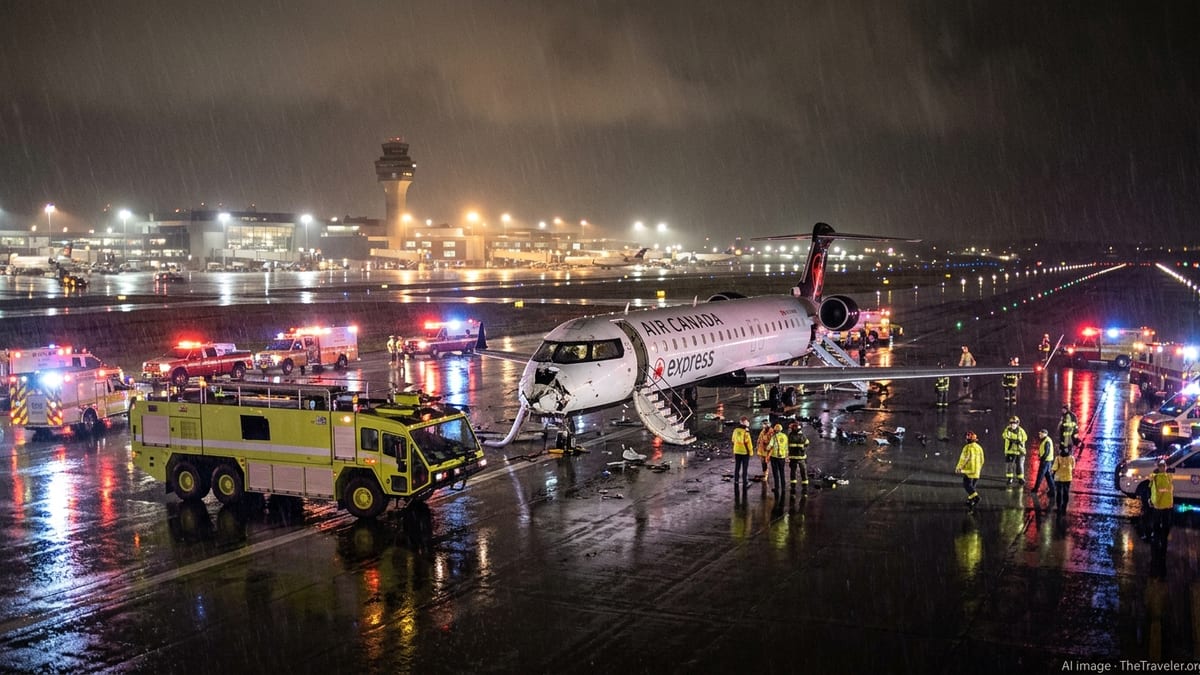
Main runway closure after tyre incident
Reports from passengers and aviation tracking enthusiasts indicate that a Kenya Airways service arriving in Cape Town late on Tuesday experienced a tyre problem during landing, leaving the aircraft disabled on the primary runway. Posts on flight-tracking forums and local social media described the aircraft remaining in position while recovery efforts were organised, temporarily suspending most operations on the airport’s busiest strip.
Publicly available flight data showed several aircraft bound for Cape Town entering prolonged holding patterns before diverting to alternative airports, including Johannesburg and Durban. One long-haul flight from Atlanta to Cape Town was among those rerouted, according to online flight logs and community tracking platforms.
Local aviation discussion boards described how only limited movements could continue using the shorter secondary runway, which is typically used for smaller aircraft. The configuration allowed some departures by lighter jets and turboprops but sharply curtailed the airport’s capacity for international widebody arrivals, compounding delays into the night.
Knock-on impact for passengers and airlines
Travellers posting on public forums from inside the terminal reported queues, cancellations and last-minute rebookings as airlines attempted to recover their schedules. Some domestic passengers recounted being shifted onto late-night departures to Johannesburg once slots became available, while others described missed onward connections after being diverted to other cities.
Accounts shared online suggest that communication varied between carriers. Several travellers praised airlines that issued frequent digital updates and proactively rebooked itineraries, while others expressed frustration at sparse information and confusion at departure gates. With accommodation and onward travel disrupted for some passengers, there were reports of travellers arriving at their final destinations well into the early hours.
Operationally, the incident added unplanned cost and complexity for airlines. Diversions require additional fuel, crew duty-time flexibility and ground handling support at airports that may not be expecting widebody arrivals at short notice. In addition, disrupted aircraft rotations can ripple onward into the following day’s schedules, particularly on long-haul routes with tight turnaround times.
Why a single disabled aircraft can halt operations
Cape Town International Airport operates primarily with one main runway for larger aircraft, a configuration that can leave the hub vulnerable when an aircraft becomes immobilised. Historical planning documents and technical tenders for the airport’s operations highlight that incidents such as landing gear faults, tyre bursts or aircraft exiting paved surfaces have previously forced closures, with diversions and delays as a recurring concern.
Because the main runway is designed to accommodate heavier widebody jets that serve long-haul markets, removing a disabled aircraft must be done cautiously to protect both the damaged jet and the pavement infrastructure. Recovery teams typically require specialised lifting equipment and towing vehicles, and must also clear any debris that could pose a hazard to subsequent flights.
While Cape Town does have a shorter secondary runway suitable for smaller aircraft, capacity is significantly reduced when traffic is funneled through this alternative route. The imbalance is especially pronounced during evening peaks, when multiple international and domestic arrivals are scheduled within tight windows and holding or diverting aircraft becomes the only option.
Context of growing pressure on Cape Town’s air hub
The tyre incident comes against a backdrop of rising traffic and infrastructure pressures at Cape Town International. Parliamentary briefings and industry analyses have pointed to strong growth in passenger numbers and aircraft movements over recent years, with the airport increasingly serving as a key gateway for tourism and business travel to southern Africa.
Industry bodies have previously highlighted how power outages, air navigation constraints and staffing pressures have, at times, contributed to congestion or delays at South African airports, including Cape Town. Local travellers have also drawn attention to long check-in and security queues during peak periods, describing a system that can quickly become strained when unexpected events occur.
The development of Cape Winelands Airport as a potential secondary international gateway northeast of the city has been framed in public discussion as one response to the region’s long-term capacity needs. While that project remains in the planning and early development phases, the latest disruption at Cape Town is likely to renew debate about resilience, redundancy and investment in the wider aviation network serving the Western Cape.
What travellers should expect in the short term
Based on patterns seen in similar runway blockages, residual disruption from Tuesday’s incident is expected to ease progressively as aircraft and crews are repositioned and delayed services operate through the night and following morning. Passengers with departures in the next 24 hours are being advised by airlines, through public statements and digital channels, to monitor their booking status, allow extra time at the airport and check in online where possible.
Aviation safety records indicate that tyre failures on landing, while relatively uncommon in the context of overall movements, are a recognised operational risk worldwide. Modern aircraft and airport emergency procedures are designed to manage such events with a focus on keeping passengers safe, even when significant delays result.
For Cape Town, the incident serves as a reminder of how a single technical problem on the runway can echo through domestic and international networks. As airlines and the airport return operations to normal, attention is likely to turn to how future infrastructure upgrades and contingency planning can reduce the impact of similar events on travellers and the region’s tourism-dependent economy.