


More news on this day
The U.S. Department of State has highlighted the risk of short-notice, localized curfews of up to 10 days in its latest messaging to Americans planning trips to South America, urging travelers to be ready for rapid changes in movement rules when security tensions rise.
Get the latest news straight to your inbox!
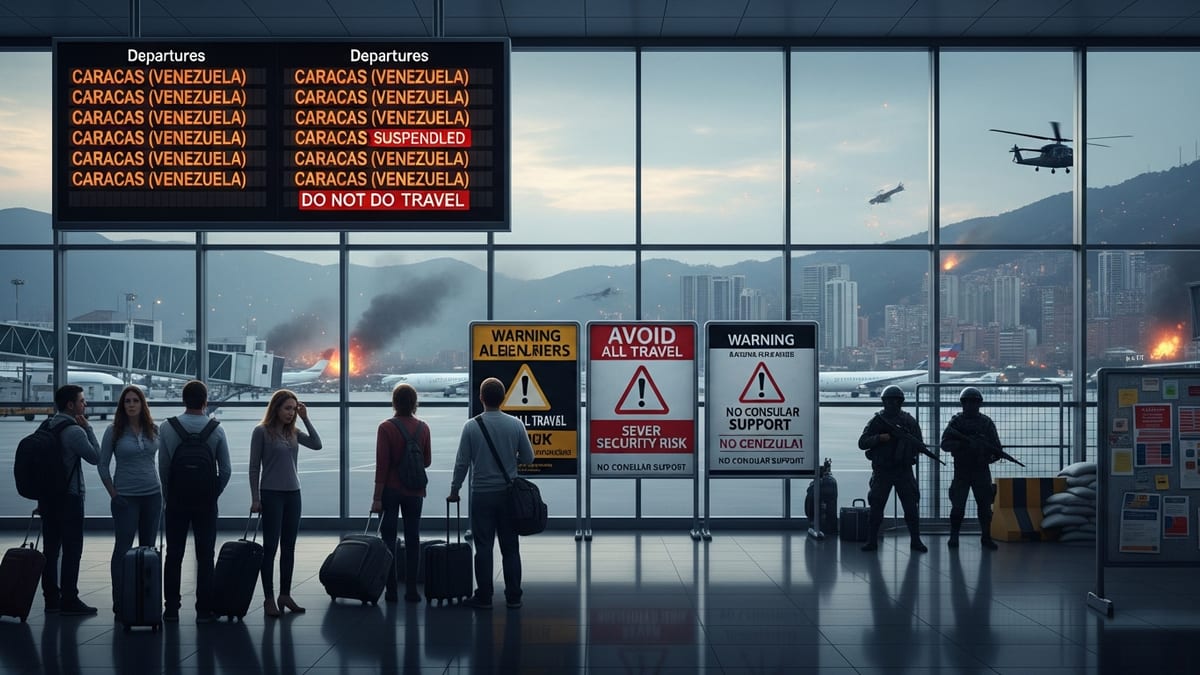
Advisory Highlights Short-Notice Curfews And Movement Limits
Recent public information from the U.S. government underscores that American travelers in South America can face sudden curfews and stay-at-home instructions if local authorities respond to unrest, crime spikes, or states of emergency. Updated travel advisories on the State Department’s website describe how security conditions may shift quickly, even in destinations that are otherwise open to tourism, and note that measures such as curfews and restricted movement are among the tools local governments use during crises.
Travel-advisory guidance explains that U.S. citizens are expected to comply with local laws and emergency orders, which can include curfews, limits on nighttime movement, or bans on large gatherings. Separate federal travel-security publications available through official portals add that foreign governments may adopt these measures with little warning, sometimes initially for a fixed period such as 10 days, and extend or tighten them depending on the situation on the ground.
In some cases, the U.S. government has also applied temporary curfews to its own staff in high-risk environments and recommended that private U.S. citizens follow similar patterns. Security alerts for nearby regions in recent years have directed U.S. government personnel to stay indoors during nighttime hours while local operations unfold, and advisories encourage travelers to monitor such notices closely and mirror those precautions whenever feasible.
Lessons From Past 10-Day Curfews In The Region
Although the latest South America travel-advisory messaging focuses on overall risk management rather than a single incident, recent history in the region illustrates how quickly conditions can change. In Peru, for example, international travel bulletins recorded a state of emergency in early 2023 that included a 10-day nightly curfew in the southern Puno region following protests and road blockades. Travelers arriving during that period reported sharply reduced nightlife, suspension of some intercity bus routes after dark, and early closures at hotels and restaurants.
Similar patterns have appeared elsewhere when unrest has flared. Government travel advice for South American countries such as Ecuador and Peru has documented states of exception or emergency that brought increased military and police presence, checkpoints, and restrictions on movement. During these windows, visitors were advised to stay in their accommodation after set evening hours, allow extra time for airport transfers, and keep essential supplies on hand in case they were temporarily unable to move around their destination.
Security analysts point to these precedents to explain why the newest U.S. messaging emphasizes curfew readiness for a defined period, such as 10 days, even when a specific country is not under a nationwide lockdown. The aim, they note, is to ensure travelers understand that a city or region perceived as stable can still see localized orders that limit nonessential movement, particularly at night, and that such orders can significantly disrupt typical sightseeing schedules.
How Curfew Instructions Could Affect Itineraries
For travelers, a 10-day curfew period in a South American city or region would most immediately affect evening and early-morning plans. Airline schedules may remain intact, but publicly available advisories and third-country travel bulletins show that airport access sometimes becomes more complicated, with checkpoints and the need to demonstrate a boarding pass or reservation to move during restricted hours. Tour operators may adjust departure times to daylight hours, while regional buses and trains can reduce or cancel late-night services.
Hotel operations generally continue during curfews, but front-desk and concierge teams may limit services in line with local rules. Dining options can shrink if restaurants are required to close early or offer takeout only. Previous emergency periods in the region have also led to temporary closures at popular attractions during days of heightened tension, or to crowd-control measures at high-traffic sites.
Public information from consular services emphasizes that travelers under curfew remain subject to local law, even if they feel the situation is calm. Infractions such as being on the street during prohibited hours or ignoring police instructions can bring fines, detention, or immigration scrutiny. The U.S. government also cautions that its ability to assist citizens may be limited during fast-moving security operations, especially if transportation is disrupted or if a country restricts access to affected areas.
Planning Ahead: Insurance, Flexibility And Communication
In light of the new advisory emphasis, travel planners are encouraging Americans heading to South America to incorporate curfew scenarios into their preparation. Official U.S. travel guidance already recommends purchasing travel insurance that covers trip interruption and evacuation, and checking that policies include benefits for government-imposed movement restrictions or civil unrest, not just medical emergencies.
Experts in risk management suggest building extra flexibility into itineraries by avoiding last-minute overnight transfers between cities, especially in regions with a history of political protests or road blockades. Booking refundable or changeable tickets for domestic flights and long-distance buses, choosing centrally located hotels, and arranging airport transfers through reputable providers that monitor local conditions can all help reduce the impact if a 10-day curfew is imposed mid-trip.
The State Department’s public resources also stress the importance of enrolling in the Smart Traveler Enrollment Program so that travelers receive direct email or SMS alerts from U.S. embassies and consulates when security conditions change. Parallel guidance from other governments in the region underscores the value of monitoring local news, following official social-media channels where available, and maintaining regular contact with family or employers at home in case rapid changes to plans become necessary.
What Travelers Should Watch For Before And During Trips
Security-focused sections of South American travel advisories encourage visitors to pay close attention to evolving developments in the days before departure and throughout their stay. Signs that curfew instructions could be introduced include formal declarations of a state of emergency, escalating street protests, sustained transport blockades, or spikes in high-profile crime or gang-related violence in major cities.
Travelers are advised to check the State Department’s travel-advisory pages for their destination in the weeks and days leading up to a trip, then again just before departure and after arrival. Official maps and advisory texts outline nationwide risk levels and, in some cases, identify specific provinces or urban districts where extra caution is needed. Supplemental information from airlines, major hotel groups, and tour operators can provide further insight into how local conditions are affecting day-to-day operations.
If a 10-day curfew is announced once a traveler is already in-country, publicly available crisis-response guidance indicates that Americans should comply with local instructions, stay in contact with their accommodation provider, safeguard identity documents and cash, and avoid attempting to bypass roadblocks or security perimeters. Travelers are also encouraged to keep electronic devices charged, maintain copies of key documents, and be ready to move quickly if commercial flight options remain available and departure becomes advisable.