


More news on this day
U.S. government agencies are amplifying warnings about cannabis for anyone planning a trip, reminding travelers that marijuana remains illegal under federal law despite widespread state-level legalization.
Get the latest news straight to your inbox!
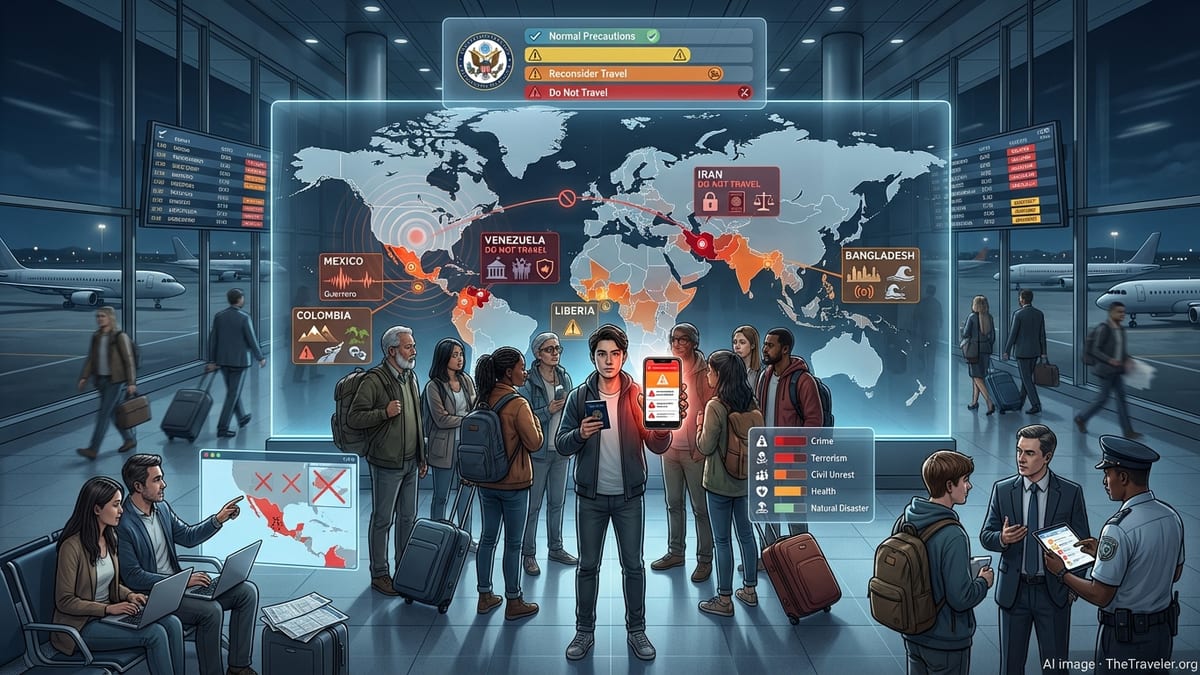
Federal Law Still Governs Cannabis at Borders and in the Air
Publicly available federal guidance continues to underscore that marijuana is classified as a Schedule I controlled substance under the U.S. Controlled Substances Act, even as dozens of states allow medical or recreational use. Cannabis with more than 0.3 percent delta-9 THC by dry weight is treated as marijuana under federal law, meaning possession, transport, and distribution are prohibited in federally regulated spaces.
Transportation systems that fall under federal jurisdiction are a particular focus. The Federal Aviation Administration highlights that it is illegal to use any aircraft to transport marijuana, regardless of what state laws permit. Similar rules apply more broadly in aviation security environments, where federal law and regulations govern what can be carried on board a flight.
Customs and border controls are also governed by federal standards. At U.S. land borders, seaports, and airports, federal officers enforce national drug laws, not the more permissive frameworks that may be in place in nearby states. This distinction means that travelers who assume state legalization protects them at ports of entry may face searches, seizures, or other serious consequences if cannabis is discovered.
Recent reporting and enforcement data referenced in congressional and agency documents also indicate that marijuana remains part of broader controlled-substance seizure activity at U.S. borders. These patterns reinforce the message that crossing an international boundary with cannabis, or attempting to move it between jurisdictions using federally regulated transportation, carries significant legal risk.
International Trips: Local Laws May Be Far Stricter Than at Home
For Americans headed abroad, federal resources such as the State Department’s traveler checklists and spring break guidance advise close review of foreign drug laws before departure. Public information on official travel sites notes that some countries impose harsh penalties for possessing substances such as cannabis, even in small quantities and even when the traveler believed the product was legal in the United States.
Travel advisories and destination pages encourage U.S. citizens to check local legal frameworks for any controlled substance well in advance. Some jurisdictions criminalize not only possession, but also residual traces, paraphernalia, or products marketed as wellness items that contain cannabinoids. Travelers can also face liability for mailing cannabis products or carrying them in transit through countries where they are banned.
Federal travel resources emphasize that local law prevails once a traveler enters a foreign country. While consular staff may offer information or limited assistance in emergencies, they cannot override foreign criminal processes related to drug offenses. This reality is particularly important where cannabis remains highly stigmatized or linked to broader anti-narcotics campaigns, which can result in mandatory detention, extended investigations, or long prison sentences.
Some countries that have partially relaxed rules on cannabis still maintain complex distinctions between medical and nonmedical use, domestic residents and visitors, and plant material versus concentrates or edibles. Travelers relying on assumptions based on U.S. state laws may therefore misinterpret what is allowed in a destination and find themselves in violation of local regulations.
Domestic Travel: State Legalization Does Not Erase Federal Risks
Within the United States, cannabis policy remains a patchwork. According to recent compilations of state laws, the majority of states now allow some form of medical cannabis, and nearly half permit adult recreational use. However, federal information sources stress that these state measures do not change the drug’s status under national law or at federal facilities.
Guidance in the Centers for Disease Control and Prevention’s Yellow Book, which addresses health considerations for travelers, reiterates that marijuana is illegal at the federal level and notes that cannabis cannot be taken on domestic flights if it exceeds the 0.3 percent delta-9 THC threshold. Only certain low-THC products that meet federal definitions and, in some cases, Food and Drug Administration approval criteria may be carried in checked or cabin baggage.
Travelers moving between two U.S. states that have both legalized cannabis are therefore not exempt from restrictions when their journey passes through federally controlled spaces such as airports, some train systems, or security zones near international borders. Additionally, federal agencies retain authority over public lands, national parks, and some housing and transportation networks, where possession of marijuana can still lead to citations or arrest.
Advocacy and legal analyses also point out that people who work for the federal government, hold certain security clearances, or receive federal housing benefits may face additional consequences for cannabis use or possession, even if it occurs in a state where the substance is legal. These overlapping rules add another layer of complexity for travelers who mix personal cannabis use with frequent movement across jurisdictions.
Health, Safety, and Product Risks Highlighted in Public Guidance
Alongside legal warnings, federal health agencies continue to publish information about the potential effects of cannabis on travelers. The CDC’s public health pages describe a range of possible impacts on memory, coordination, and judgment, all of which can affect safety while navigating unfamiliar environments, driving, or engaging in adventure activities.
CDC resources also describe risks associated with high-potency products, edibles, and concentrates, which may lead to delayed or unexpectedly strong effects. These issues are particularly relevant when travelers use unfamiliar products, purchase items from new sources, or combine cannabis use with alcohol or other substances while on vacation.
Secondhand cannabis smoke is another topic addressed in federal health materials. Public information notes that cannabis smoke contains many of the same toxic and carcinogenic chemicals found in tobacco smoke, and that THC can be passed to bystanders, including children, through secondhand exposure. This creates potential problems in shared accommodation, vehicles, or crowded spaces where local smoke-free rules may already be in place.
Health agencies recommend that travelers with underlying medical or mental health conditions discuss cannabis use with a qualified clinician before trips. Some medications and health issues may interact with cannabinoids, while changes in routine, time zones, and stress levels can increase the likelihood of adverse reactions when using psychoactive substances away from home.
Practical Steps for Travelers Navigating Cannabis Rules
Federal travel checklists and advisory tools highlight several practical steps for travelers who may encounter cannabis-related issues. These include reviewing destination-specific information on official travel websites, enrolling in traveler alert programs, and verifying both health and legal requirements before leaving home.
For international journeys, travelers are encouraged to confirm whether a destination permits any form of cannabis, including prescription products, and to check if transit countries have stricter rules than the final stop. Even when a medication is legally prescribed in the United States, it may be banned abroad or require special documentation from local authorities.
Within the United States, experts recommend treating state borders, federal lands, and transportation hubs as points where national law is most likely to be enforced. Avoiding carriage of cannabis through these areas, even when departing from or arriving in legal states, is widely described as the most reliable way to reduce legal exposure.
Across federal resources, the emerging message is consistent: travelers should not assume that state-level legalization or casual attitudes toward cannabis translate into legal protection in airports, at borders, on aircraft, or overseas. Checking current rules before every trip and keeping cannabis products out of federally regulated spaces remain central to avoiding unexpected legal and health complications while traveling.
CDC Yellow Book: Substance Use and Travelers
U.S. State Department: Traveler’s Checklist