


More news on this day
The U.S. government has issued a fresh, urgent set of travel-related security warnings affecting 11 Middle East destinations, emphasizing the risk of rapid, unforeseen escalation and the practical possibility of flight cancellations, periodic airspace closures, and broader travel disruptions across the region.
Get the latest news straight to your inbox!
What the new warning is and why it matters now
Published coverage indicates the latest alerting activity has been driven by the U.S. State Department’s renewed region-wide caution language for the Middle East, alongside a wave of embassy security alerts repeating similar guidance for U.S. citizens already in the region or considering transit through it.
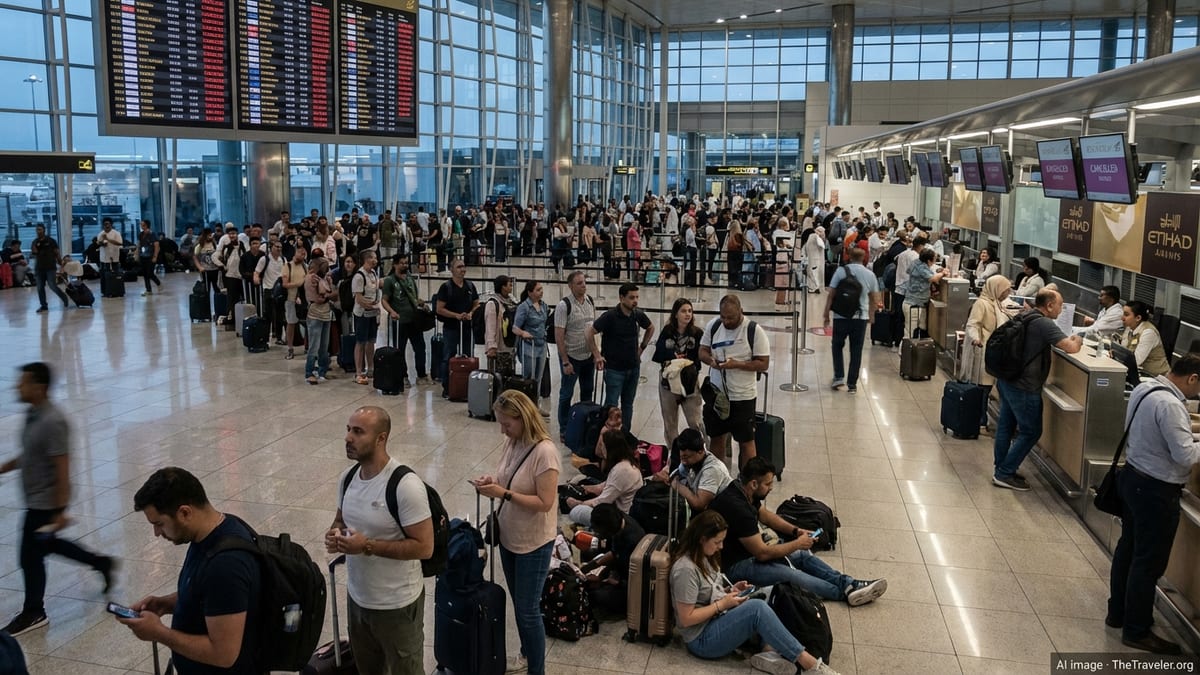
The messaging is notable for focusing less on a single incident and more on the operational impacts travelers actually feel first: disrupted aviation routes, sudden changes to airport operations, and the possibility that commercial options to depart could become limited with little notice.
In parallel, publicly available State Department travel-advisory pages for several countries in the Gulf and nearby areas reference the ongoing threat environment tied to regional hostilities and warn that conditions can change quickly, which can affect everything from airline schedules to the availability of consular services.
The 11 destinations named in widely shared reports
Online sharing around the warning has sometimes described it as covering “11 countries,” but multiple widely circulated summaries and republished embassy language also reference territories and areas in addition to sovereign states. Travelers should pay close attention to the exact destination named in any alert, because advisory status and entry procedures can differ even within the same broader geography.
Based on widely republished embassy alert language and reporting that compiled where the notices appeared, the destinations commonly grouped under the current warning include Bahrain, Iran, Iraq, Israel, Jordan, Kuwait, Lebanon, Oman, Qatar, Saudi Arabia, and the United Arab Emirates.
Some versions of the roundup also reference the West Bank and Gaza as separate destinations alongside Israel, which can create confusion about the “11” figure. For trip-planning purposes, it is more useful to treat each named destination as its own risk and logistics environment, especially when transit and border crossings are involved.
What travelers should do before flying, transiting, or rebooking
For travelers with upcoming itineraries, the most time-sensitive step is confirming flight status directly with the airline and monitoring airport operations in the departure, connection, and arrival cities. The warnings emphasize that disruptions may include flight cancellations and airspace restrictions, which can cascade into missed connections and last-minute reroutes.
Travelers transiting through major regional hubs should also consider the knock-on effects of schedule changes: re-accommodation on alternate flights may be constrained during peak movement periods, and some routings may require longer layovers if airlines adjust paths to avoid affected airspace.
Publicly available U.S. government guidance has also highlighted routine preparedness steps that become more important during fast-moving events: keeping travel documents current, sharing itineraries with family, and enrolling in the Smart Traveler Enrollment Program (STEP) so travelers can receive location-specific security messages.
How this fits into the State Department’s advisory system
The State Department’s Travel Advisories operate on a four-level scale, ranging from Level 1 (Exercise Normal Precautions) to Level 4 (Do Not Travel). The current developments do not automatically mean every country in the region has been moved to the same advisory level; individual destinations can sit at different levels and still share similar short-term disruption risks.
In recent updates, several destination pages for the Gulf region have referenced heightened regional tensions and ongoing threats that may affect commercial flight operations. Those advisories typically also reiterate that travelers should have contingency plans that do not depend on U.S. government assistance if the security situation deteriorates quickly.
For travelers comparing risk across destinations, the key distinction is between a broad security alert about an evolving situation and a destination’s underlying advisory level and indicators. Both matter: a country might not be at the highest advisory level, yet still experience abrupt operational impacts such as airport disruptions or periodic airspace closures.
Practical planning: insurance, communication, and timing considerations
As travelers reassess plans, trip-protection details matter. Many policies treat government advisories, war-related exclusions, and “foreseeable event” definitions differently, so travelers should review their specific coverage, especially for trip interruption, medical care abroad, and emergency evacuation benefits.
Communications planning is also a practical priority. Travelers should identify how they will receive airline notifications, local emergency alerts, and embassy messages while roaming, including whether they have reliable access to email, SMS, or app-based push notifications in the destination.
Finally, timing and flexibility can reduce stress and cost. When warnings emphasize the possibility of disruptions, travelers may want to consider earlier departures, fewer connections, and refundable or changeable fares where possible, particularly for itineraries that rely on tight transits through major regional airports.