


More news on this day
The U.S. Department of State has upgraded its travel advisory for Belgium to Level 2, signaling increased concern over the security environment in the country and urging American travelers to exercise greater caution when visiting major cities and transport hubs.
Get the latest news straight to your inbox!
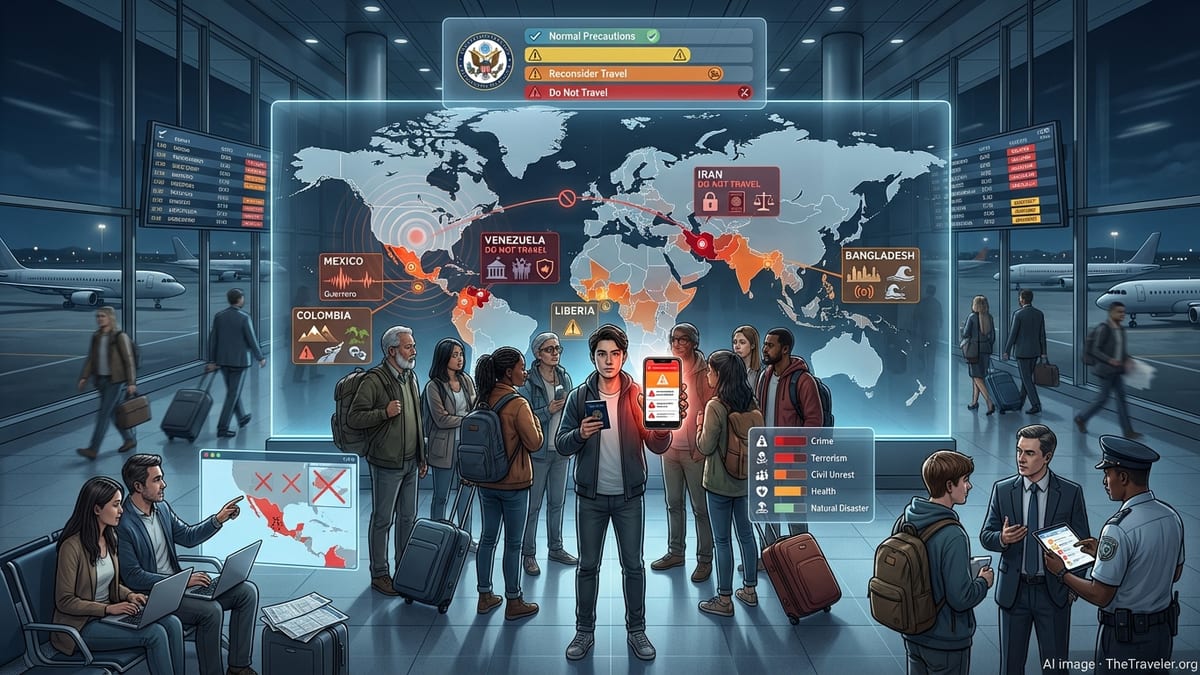
What a Level 2 Advisory Means for Travelers
The State Department’s Level 2 designation indicates that travelers should exercise increased caution due to a higher assessed risk to safety and security than in Level 1 destinations. Publicly available information explains that Level 2 advisories are typically linked to threats such as terrorism, crime, civil unrest, or other localized security issues that, while not making travel inadvisable, warrant closer attention from visitors.
For Belgium, the upgraded advisory highlights a security context shaped by Europe-wide concerns about terrorism, as well as periodic protests and demonstrations in Brussels and other cities. Reports note that heavily frequented areas, including transport interchanges, government districts, and tourist sites, can be subject to enhanced security operations and occasional disruptions.
While the Level 2 status signals an elevated level of vigilance, it does not instruct travelers to avoid Belgium. Instead, it emphasizes the need to remain aware of surroundings, follow local guidance, and monitor security developments before and during a trip.
Context: Security Environment in Belgium
Belgium has featured in regional security discussions for several years due to its role as host to European Union and NATO institutions and past high-profile terrorism cases. International coverage frequently notes that symbolic and political targets in Brussels, as well as crowded public spaces, are viewed as potential focal points for security planning.
Domestic security measures remain highly visible in parts of the country, with increased police and military presence in key districts and at major transport nodes. Periodic operations, identity checks, and cordoned-off areas are described in local and international reporting as part of ongoing efforts to deter and respond to potential threats.
In addition to counterterrorism concerns, Belgium has periodically experienced large-scale demonstrations linked to political, economic, and social issues. These events can lead to localized traffic disruptions, temporary closures, and occasional clashes on the margins of otherwise peaceful protests, particularly in central Brussels and around institutional quarters.
Impact on Tourism and Business Travel
Tourism officials and industry observers generally continue to describe Belgium as an active European destination, with visitors drawn to Brussels, Bruges, Antwerp, Ghent, and other historic cities. The Level 2 advisory, while more cautious in tone, still permits leisure and business travel and has not been framed in publicly available material as a call to cancel visits outright.
Travel analysts often point out that many popular European destinations carry similar advisory levels, reflecting a broad recognition of evolving security dynamics rather than singling out a country as uniquely unsafe. For Belgium, the advisory is expected to prompt travelers and companies to review contingency plans, update risk assessments, and ensure that staff and clients are briefed on basic precautions.
Airlines and rail operators serving Belgium continue to function normally, though travelers may experience additional screening or intermittent delays associated with heightened security postures. Industry commentary indicates that such measures, while sometimes inconvenient, are intended to reduce risk and maintain the overall stability of the travel environment.
Practical Guidance for Visitors to Belgium
Publicly available guidance for U.S. citizens and other foreign travelers emphasizes preparedness and situational awareness rather than alarm. Visitors are encouraged to stay informed through local news, check for updates from their own foreign ministries, and be attentive to any travel alerts issued close to their dates of departure.
Common recommendations include allowing extra time at airports and train stations, avoiding close proximity to protests or large political gatherings, and taking note of emergency exits and security instructions in hotels, venues, and public buildings. Travelers are also urged to keep identification documents readily accessible and to follow directions given by uniformed personnel during security checks or crowd-control measures.
Seasoned travelers to Belgium report that everyday activities, from visiting museums to dining out in city centers, generally proceed as normal, with heightened security most evident around official buildings and major transport hubs. The upgraded advisory, in this context, functions primarily as a reminder to plan carefully, maintain awareness, and adapt itineraries if conditions change.
Monitoring Developments Before and During Trips
Given that travel advisories are periodically reviewed and can change in response to new information, travelers with upcoming plans to Belgium are advised by publicly available resources to monitor the situation up to and throughout their journeys. This can include checking national government travel pages, consulting airlines or tour operators, and confirming local conditions with accommodations shortly before arrival.
Risk experts underscore that the security picture in Europe is dynamic, and that advisories such as the Level 2 notice for Belgium are part of a broader framework intended to give travelers a clearer sense of relative risk. For individuals and organizations, integrating this information into trip planning can mean building flexibility into schedules, identifying alternative routes, and maintaining updated contact details for local support services.
For now, the revised advisory positions Belgium among a wide group of destinations where travel continues but with a renewed emphasis on vigilance. Travelers who stay informed, remain aware of their surroundings, and follow basic safety practices are widely expected to continue visiting the country’s cities, cultural sites, and event venues while keeping a closer eye on developments affecting security and mobility.