


More news on this day
WestJet flights are largely back in the air after a brief but disruptive strike by cabin crew, yet scattered reports from airports and online forums suggest some passengers are still trying to reach their destinations days after the initial wave of cancellations.
Get the latest news straight to your inbox!
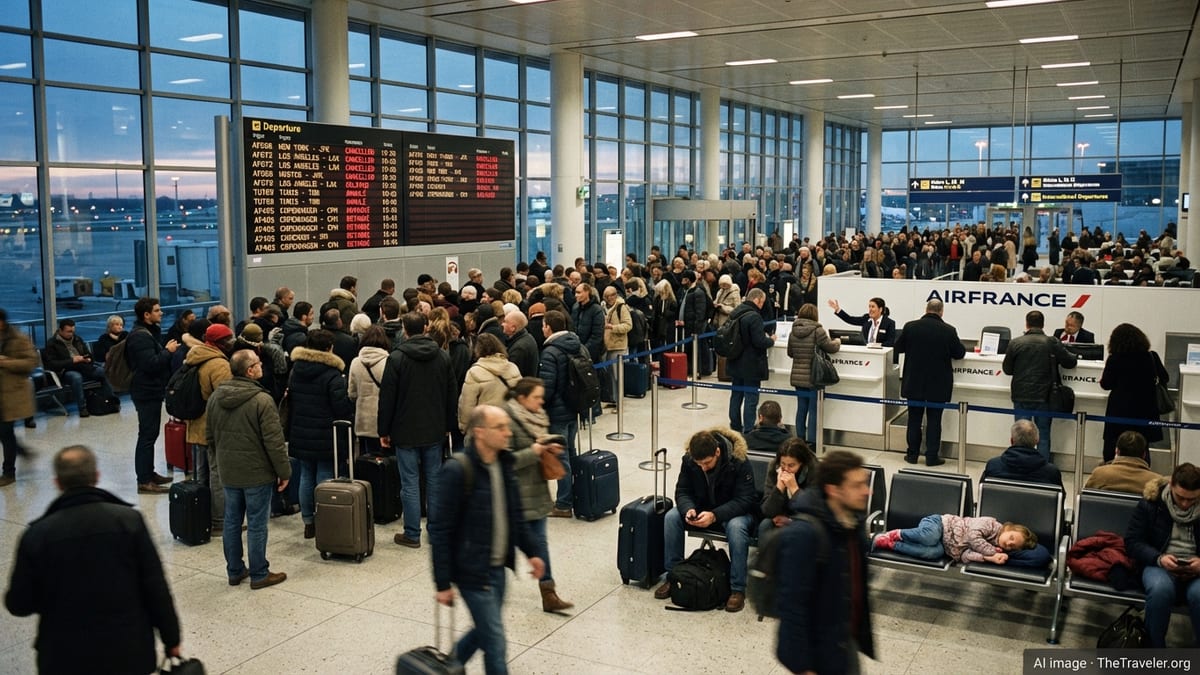
Strike ends, but the travel fallout lingers
According to recent coverage by Canadian and international news outlets, WestJet and the union representing thousands of flight attendants reached a tentative agreement on August 3, 2026, bringing an end to a work stoppage that had prompted hundreds of cancellations over a peak summer weekend. The disruption followed a period of tense contract talks focused on wages and how crew are compensated for time worked on the ground.
News reports indicate that the strike and associated lockout notice led to a rapid thinning of WestJet’s schedule, particularly on long-haul and international routes. As aircraft and crews fell out of position, ripple effects were felt across the network, from major hubs such as Calgary and Toronto to European and sun destinations.
While the agreement allowed the carrier to begin restoring flights, returning to normal operations is proving slower for some travelers than the end of the labour dispute might suggest. Publicly available information and social media posts describe guests facing rebookings days after their original departure date, as WestJet works through a backlog of disrupted itineraries.
The situation recalls earlier labour-related interruptions in the Canadian airline sector, where the official end of a strike did not immediately resolve extensive passenger displacement. For many, the question has shifted from whether flights are operating to how long it will take to be re-routed.
Evidence of passengers still stranded
Online discussion forums focused on Canadian aviation and passenger rights have carried a steady stream of posts from travelers describing missed connections and unexpected overnight stays linked to the WestJet job action. Some describe being stuck in European cities after long-haul flights were canceled or rescheduled, with limited same-day alternatives back to Canada.
Several travelers recount being rebooked on multi-leg routes involving partner or rival carriers, sometimes including segments that, according to these accounts, no longer appeared to be operating. Others report waiting in long queues at airport counters or on hold to call centers in order to secure updated itineraries, with some facing waits of hours to receive clarity on their next available flight.
Guest reviews on consumer feedback platforms also point to experiences of being left overnight in hub airports while they sought information on hotel options and future flights. In a number of these accounts, travelers say they feared being stranded for multiple days during the peak of the disruption if they could not secure space on already crowded alternative services.
Taken together, these reports suggest that while the majority of affected guests may now have been re-accommodated, a subset of passengers whose itineraries involve less frequent routes or busy transatlantic sectors continue to feel the aftershocks. As of early August, the most challenging cases appear to involve complex international journeys rather than short-haul domestic flights.
What WestJet is publicly offering disrupted travelers
WestJet’s own travel advisory pages show that the airline activated and later extended a flexible change and cancellation policy covering travel dates that overlapped the strike period. Publicly available guidance indicates that guests scheduled to fly between late July and early August can make a one-time change or cancel without additional fees, with fare differences applying in some cases.
For travelers whose flights were canceled outright, the airline’s online materials point to options including rebooking on the next available WestJet service, travel credit, or a refund back to the original form of payment, depending on the type of ticket and itinerary. In some circumstances, WestJet has signaled that it can arrange re-accommodation on other airlines, a practice that has been referenced in both media reports and passenger discussions.
The carrier also outlines how guests may seek assistance with hotels and meals when they are stranded overnight away from home. Policies differ depending on the cause of disruption and whether it is considered within the airline’s control under Canada’s Air Passenger Protection Regulations, which set minimum standards of treatment, communication and, in some cases, compensation for delays and cancellations.
However, public information on these regulations notes that labour disputes are typically classified as outside an airline’s control, which limits the financial compensation travelers can claim. That distinction has become a central point of concern among those who experienced significant delays, as many are discovering they may not qualify for cash payments despite days of disruption.
How many people remain displaced is hard to quantify
Neither the airline’s public statements nor independent reporting have provided a precise figure for how many passengers remain away from home as a direct result of the strike and its aftermath. At the height of the disruption, coverage by major news agencies described thousands of travelers affected across WestJet’s network, ranging from domestic commuters to international vacationers.
Once operations begin to stabilize, airlines rarely publish running tallies of remaining displaced passengers, focusing instead on restoring full schedules. In this case, available evidence comes largely from snapshots: airport scenes captured by media outlets on the weekend of the strike, and later, individual stories shared via news features, social feeds and consumer forums.
Industry observers point out that the backlog typically diminishes quickly for those on high-frequency domestic routes, where extra sections or larger aircraft can help absorb stranded customers. For travelers on lower-frequency routes, including some transatlantic or leisure destinations, the process may take several days longer, especially during a busy summer period when alternative flights are already close to full.
That pattern appears to be reflected in current accounts: fewer complaints now refer to short-haul routes within Canada, while lingering frustration is more often associated with complex or long-haul itineraries that still require creative rerouting.
What affected passengers can do now
Travel advocates recommend that anyone who was caught up in the WestJet disruption first verify the current status of their booking through the airline’s website or app, then follow up directly with the carrier if the proposed alternate itinerary is not workable. Some passenger-rights organizations advise documenting all communications, receipts for out-of-pocket expenses and screenshots of flight changes in case a formal claim becomes necessary.
Canada’s Air Passenger Protection Regulations outline circumstances where travelers may be entitled to standards of treatment such as food and accommodation, and, in certain situations, monetary compensation. Publicly available guidance stresses that entitlement depends on several factors, including the cause of the disruption, the size of the carrier and how much notice was provided before departure.
Those still away from home are also being encouraged by consumer groups to explore travel insurance policies, credit card protections and, where applicable, assistance from package tour operators, which may offer additional coverage beyond the minimum obligations set out in federal rules. In some cases, these secondary protections can help cover extra accommodation, meals or replacement flights when airline support is limited.
For now, evidence suggests that WestJet’s operation is gradually returning to normal after the strike, even as a number of passengers continue to work their way back from earlier cancellations. For travelers scheduled to fly with the carrier in the coming days, experts advise monitoring flight status frequently and taking advantage of any fare waivers that remain in place, particularly if travel plans are flexible.