


More news on this day
Austria is moving to rein in surging visitor numbers with a wave of new crowd controls, bus limits and booking rules that are beginning to change how tourists move through some of the country’s most photogenic destinations.
Get the latest news straight to your inbox!
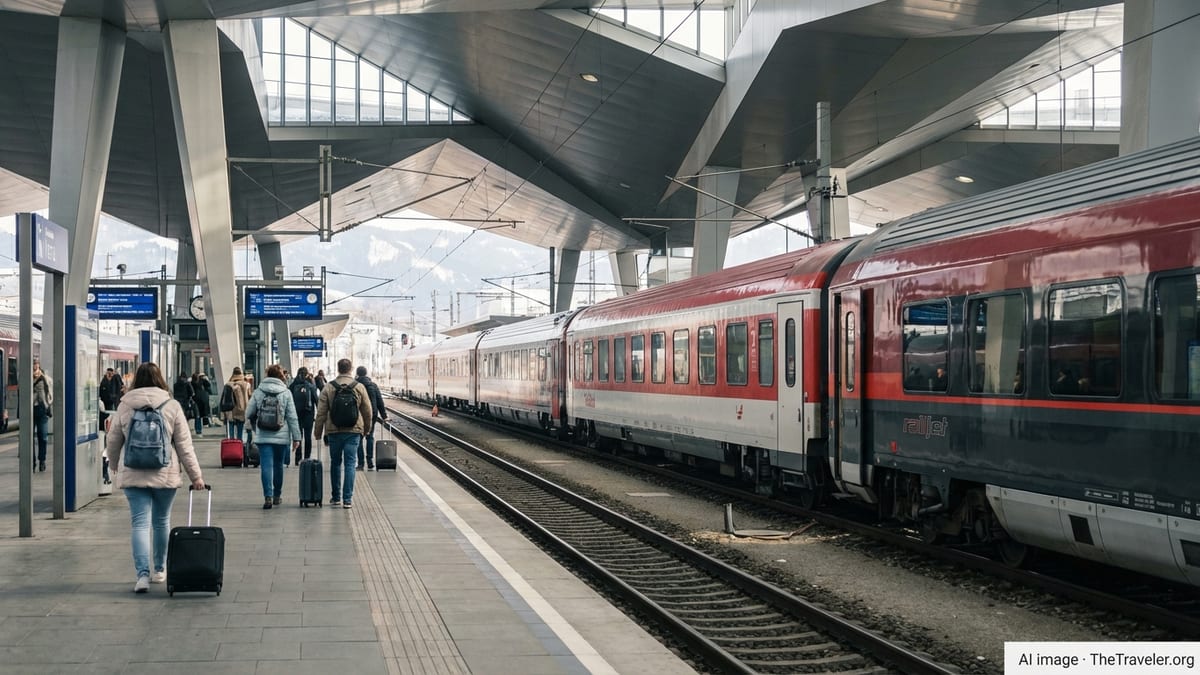
Hallstatt Becomes Symbol of Austria’s Overtourism Crackdown
Few places illustrate Austria’s overtourism dilemma more starkly than Hallstatt, the lakeside Alpine village that has become a global social media favorite. With fewer than 1,000 residents and previously reported daily peaks of well over 10,000 visitors, the town has spent the past several seasons testing increasingly strict measures to keep crowds in check. Publicly available information shows that Hallstatt has relied heavily on bus traffic and short photo-stop visits, a pattern local officials have long linked to congestion and pressure on narrow streets.
Recent seasons have seen Hallstatt build on earlier bus entry limits by tightening time slots, introducing higher fees and, in peak periods, curbing arrivals from large coaches during the busiest hours. Local ordinances have also targeted the most crowded viewpoints, with temporary barriers and routing intended to spread visitors more evenly through the village rather than allowing queues to form at a handful of photo spots.
Reports indicate that the new rules are already changing visitor behavior. Tour guides and independent travelers are increasingly steering trips toward overnight stays rather than brief stopovers, and some operators now package Hallstatt as part of a wider Salzkammergut circuit that includes less crowded lakeside towns. The overall direction is clear: quick-hit bus tourism is being discouraged in favor of longer, higher-value visits with a smaller daily headcount.
While local leaders continue to debate further caps, Hallstatt’s evolving rulebook has become a reference point for other small European destinations grappling with similar social media driven spikes in tourism.
New Limits on Day Trips and Short Stays in Key Hotspots
Hallstatt is not the only Austrian destination experimenting with firmer controls. Tourism boards and municipal authorities in several alpine regions and historic centers have begun to scrutinize day-trip traffic, which brings surges of people with relatively limited local spending. Published coverage of European travel trends for 2025 notes that limits on short term rentals and day visits are spreading across major cities, and Vienna now regularly appears in that broader discussion of tighter rules on holiday apartments and crowd management in central districts.
In practice, the emerging Austrian model combines three levers. The first is capacity management on roads and parking, especially for buses and private cars heading into fragile lake valleys and mountain gorges. Municipal notices in parts of Tyrol and other states document seasonal closures or timed access on popular hiking paths, alongside repair works that are explicitly linked to erosion and safety concerns from heavy footfall.
The second lever is accommodation regulation. Vienna has aligned itself with other European capitals by tightening oversight of short term rentals and emphasizing proper registration, in part to slow the conversion of central apartments into full time holiday units. Regional tourism experts argue that this helps rebalance the market toward hotels and guesthouses, which are more easily monitored and taxed, and which typically support longer stays.
The third lever is pricing. Higher parking fees in sensitive areas, premium charges for last minute coach slots and seasonal city taxes all aim to nudge visitors away from compressed peak dates and toward shoulder seasons. Together, these steps are shifting Austria’s most heavily photographed spots away from open access toward a more managed, reservation based pattern of visits.
Transport Passes and Climate Ticket Under Fresh Scrutiny
Austria’s rail and bus network has been a powerful draw for visitors, particularly since the introduction of the KlimaTicket, a nationwide pass that offers unlimited public transport for a fixed annual price. Academic research assessing the early impact of the KlimaTicket found that it supported a noticeable, if time-limited, rise in public transport demand. As international tourism has rebounded, that extra capacity has made it easier for visitors to reach formerly remote valleys and villages without a car.
With crowding concerns rising, transport planners are now looking more closely at how nationwide passes intersect with local capacity limits. Some regions have begun tying their own reservation systems to national tickets, requiring seat bookings on certain scenic routes or capping group sizes at specific times of day. Timetables on routes popular with tourists, including corridors between Vienna, Salzburg and the Salzkammergut, are being adjusted seasonally to spread demand across more departures.
Publicly available policy debates around the KlimaTicket highlight a growing tension between climate goals and local crowd control. On one hand, cheap and simple public transport is seen as essential to cutting car traffic through alpine valleys. On the other, easier access risks concentrating more visitors into a handful of “must see” stops. Austria’s answer so far has been to keep national passes in place while layering local controls on top, a strategy that pushes more planning onto travelers who may now need both a rail ticket and a pre-booked time slot for particularly popular viewpoints or attractions.
Travel advisers note that these changes mean spontaneous day trips are getting harder to pull off at the last minute, especially in peak summer and during major holiday periods. Early planning and flexible itineraries are becoming an informal prerequisite for visiting the country’s busiest routes.
Residents Push Back as Acceptance Begins to Strain
Despite mounting complaints from specific hotspots, official survey data suggest that overall acceptance of tourism among Austrian residents remains relatively high. Recent nationwide polling on tourism acceptance reports that a clear majority of respondents continue to view the visitor economy as important, though only about half consider tourist numbers across the country to be at an appropriate level. The gap is widest in major urban centers and heavily visited alpine areas, where residents are more likely to describe their own neighborhood as overcrowded.
Grassroots frustration has been particularly visible in areas such as central Vienna during summer, where locals report longer commuting times and crowded pavements around major attractions. In smaller destinations like Hallstatt, opinion has hardened more quickly, with long term residents voicing concern that the village’s character is being reshaped by constant photography and high season traffic jams. Comment threads and community forums widely shared in recent years show a growing chorus urging visitors to consider alternative lakeside towns and to travel outside peak hours.
These sentiments are shaping policy. Municipal leaders increasingly frame new visitor caps, traffic diversions and quiet hour rules as measures to protect residents’ quality of life rather than simply tools to manage tourism. Public communication around pilot projects, such as redirecting buses to peripheral parking or closing certain narrow alleys to selfie queues, now emphasizes local liveability and safety as much as visitor experience.
Observers of European tourism trends suggest that Austria is part of a wider shift in which communities are no longer content to absorb unlimited growth in arrivals. Instead, they are demanding that tourism fit within environmental and social limits, even if that means fewer day trippers at headline destinations.
What the New Era Means for Future Travelers to Austria
For future visitors, Austria’s new rules will be most noticeable in the planning phase. Travelers considering a day trip to well known spots such as Hallstatt can increasingly expect to navigate booking portals for bus arrivals, parking spaces or scenic viewpoints, often weeks in advance. Secure reservations offer a clearer experience once on site, but they also reduce the ability to simply show up and wander.
Accommodation choices are likely to evolve as well. With stricter oversight of informal rentals in Vienna and heightened scrutiny of guest capacity in smaller towns, travelers may find a more regulated mix of hotels, pensions and licensed apartments. Travel analysts believe this will push some visitors to branch out to secondary destinations in the same regions, easing pressure on the best known postcard locations while spreading spending more widely.
At the same time, Austria’s robust rail and bus links will continue to make it relatively easy to explore beyond the most crowded areas. As transport authorities refine schedules and reservation rules, it may become simpler to reach under the radar lakes, mountain valleys and mid sized cities that have so far remained in the shadow of Hallstatt and central Vienna. In that sense, crowd control policies could gradually diversify tourist flows rather than simply constraining them.
For now, the message to travelers is straightforward: Austria still welcomes visitors in large numbers, but the era of entirely unregulated access to its most photographed locations is drawing to a close. Those prepared to plan ahead, travel in shoulder seasons and look beyond a handful of viral viewpoints are likely to find the country both more comfortable and more sustainable in the years ahead.