


More news on this day
The U.S. Virgin Islands is capitalizing on a global resurgence in leisure travel, recording robust visitor growth and a wave of new airline services as destinations worldwide race to add capacity and capture demand.
Get the latest news straight to your inbox!
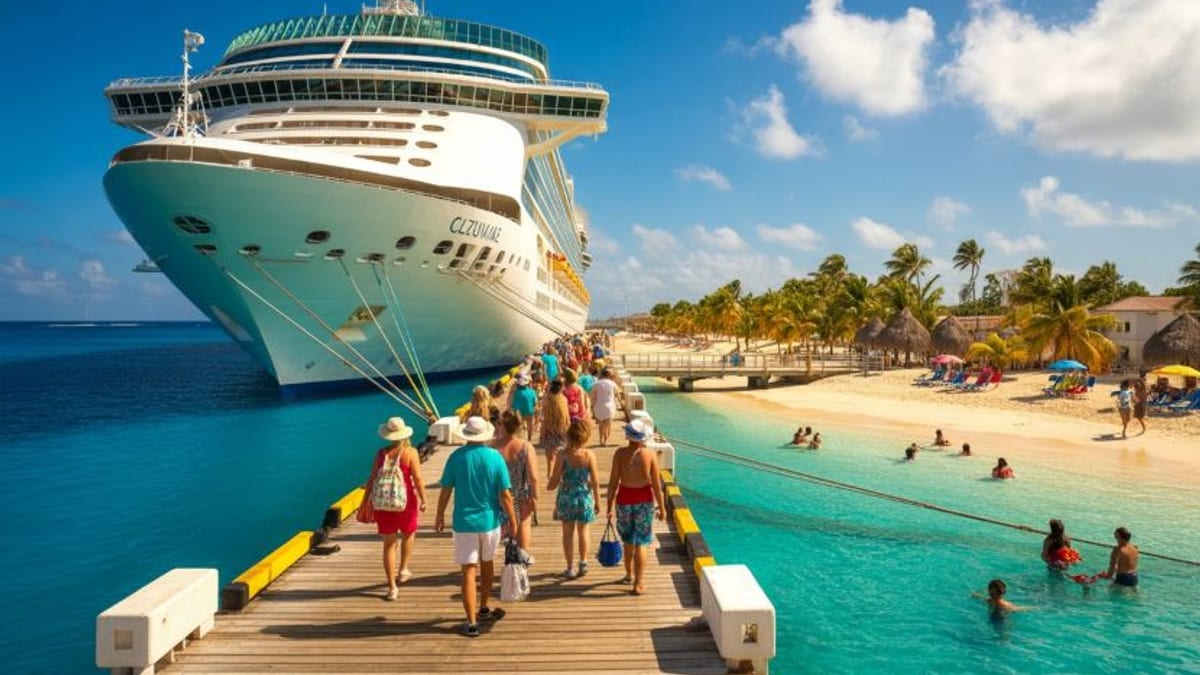
U.S. Virgin Islands Emerges as a Regional Standout
Publicly available arrival data indicate that the broader Virgin Islands region has recently passed key tourism milestones, with more than one million visitors recorded in 2024 in some jurisdictions. Industry observers note that the U.S. Virgin Islands has benefited from similar momentum, driven by year-round beach demand, cruise traffic and an expanding mix of accommodations that appeal to both upscale and mid-market travelers.
At Cyril E. King Airport on St. Thomas, route maps and schedule data compiled by aviation intelligence platforms show a network that now links the territory with more than 20 airports, including major U.S. hubs such as Atlanta, Miami, Charlotte, New York, Washington and Houston. Recent seasons have also seen nonstop links to Midwestern gateways including Minneapolis and Chicago, underscoring the territory’s reach into key mainland source markets.
Analysts point out that this connectivity places the U.S. Virgin Islands in a strong position relative to other Caribbean islands that remain more reliant on connections through San Juan or Miami. The ability to attract multiple competing carriers on core mainland routes has helped keep capacity resilient and provided redundancy during periods of disruption, supporting the territory’s tourism-led economy.
New Airlines and Routes Strengthen St. Thomas Hub
Route announcements over the past year highlight how carriers view the U.S. Virgin Islands as a growth market. Low cost operator Breeze Airways has unveiled new nonstop services from U.S. mainland cities such as Tampa and others to St. Thomas, positioning the territory as part of a broader strategy to link secondary and leisure-focused airports with warm-weather destinations.
Southwest Airlines has also entered the market, launching service from Orlando to St. Thomas and preparing additional flights from Baltimore, according to airline schedule disclosures. The moves introduce another major U.S. carrier to the territory and add options from large population centers in the Southeast and Mid-Atlantic regions.
Within the Caribbean, regional operators are reshaping short-haul access. Public statements from the U.S. Virgin Islands tourism authorities and airline partners outline new nonstop service between St. Thomas and St. Maarten, while existing links to nearby islands such as St. Kitts, Nevis and Dominica continue to develop. These additions are expected to make the territory more attractive for multi-island itineraries and cruise-and-stay combinations.
Five Global Destinations Ride the Same Tourism Tailwinds
The upswing in the U.S. Virgin Islands reflects broader global trends. International tourism statistics for 2024 and 2025 show worldwide arrivals surpassing pre-pandemic levels, with more than 1.4 billion cross-border trips recorded and continued growth projected, according to compilations of UN Tourism and other international data. Major destinations in Europe, the Middle East and the Asia-Pacific region have reported strong double-digit increases in visitor numbers as airlines restore and add routes.
France, which retained its status as the world’s most visited country in 2024, has benefited from dense short-haul and long-haul networks into Paris and regional cities. In the Middle East, hubs such as Dubai have leveraged sixth-freedom traffic and aggressive fleet expansion to draw connecting passengers en route to Africa and Asia. In Asia-Pacific, markets including China and key Southeast Asian destinations are reporting solid growth as visa policies ease and capacity returns.
Industry reports for 2025 and 2026 also highlight emerging winners beyond the largest markets. Selected secondary cities in Australia, parts of Latin America and smaller Mediterranean hubs are recording record international passenger volumes as long-haul carriers and low cost operators diversify their networks. Together with the U.S. Virgin Islands and other island destinations, these locations are at the forefront of the current tourism boom.
Air Connectivity Expands as Airlines Chase Leisure Demand
Global air passenger analyses by aviation bodies show that international traffic has continued to edge higher in 2025, even as growth moderates slightly from the initial post-pandemic surge. New city-pair connections, the return of widebody aircraft on long-haul routes and the entry of low cost competitors on transcontinental sectors are all contributing to increased seat supply.
In Europe, schedule data summarize more than one hundred new routes launched within a single season, many of them linking medium-sized cities to holiday destinations around the Mediterranean, the Canary Islands and the Red Sea. Similar patterns are visible in North America, where leisure-focused carriers have added nonstops from secondary airports to Caribbean and Mexican resorts, reflecting a structural shift toward point-to-point flying.
For the U.S. Virgin Islands, this global reorientation has translated into more direct links from places such as Orlando, Baltimore, Tampa and Midwestern hubs, reducing the need for travelers to connect through traditional gateways. Increased competition has, in many cases, coincided with promotional fares and expanded shoulder-season capacity, supporting efforts to flatten seasonality in visitor arrivals.
Risks, Capacity Constraints and the Outlook Ahead
Despite optimistic demand indicators, tourism and aviation analysts continue to flag potential headwinds. OECD tourism policy reviews and airline financial outlooks point to geopolitical tensions, higher operating costs and capacity constraints at some airports as factors that could weigh on growth or shift traffic patterns. Environmental considerations and evolving regulations around emissions and airport expansion are also influencing long-term planning.
For island destinations such as the U.S. Virgin Islands, infrastructure and resilience will be critical. Runway and terminal projects, ferry and seaplane connectivity, and investments in energy and water systems all shape how much visitor volume can be sustained without eroding quality of life for residents. Publicly available planning documents and industry commentary suggest that balancing volume with value is becoming a central theme.
Even with these challenges, the short- to medium-term outlook for tourism remains broadly positive. Strong labor markets in key source countries, accumulated savings in some segments and a continued preference for experiential travel are expected to underpin demand. As the U.S. Virgin Islands strengthens its position within this environment and as at least five major global destinations add capacity and welcome more visitors, the current tourism boom appears set to continue, albeit with closer scrutiny on sustainability and diversification.