


More news on this day
Passengers flying into and out of the UAE today are facing another day of schedule changes, with Emirates, Etihad, Air Arabia and flydubai adjusting flights in response to ongoing regional tensions and airspace restrictions.
Get the latest news straight to your inbox!
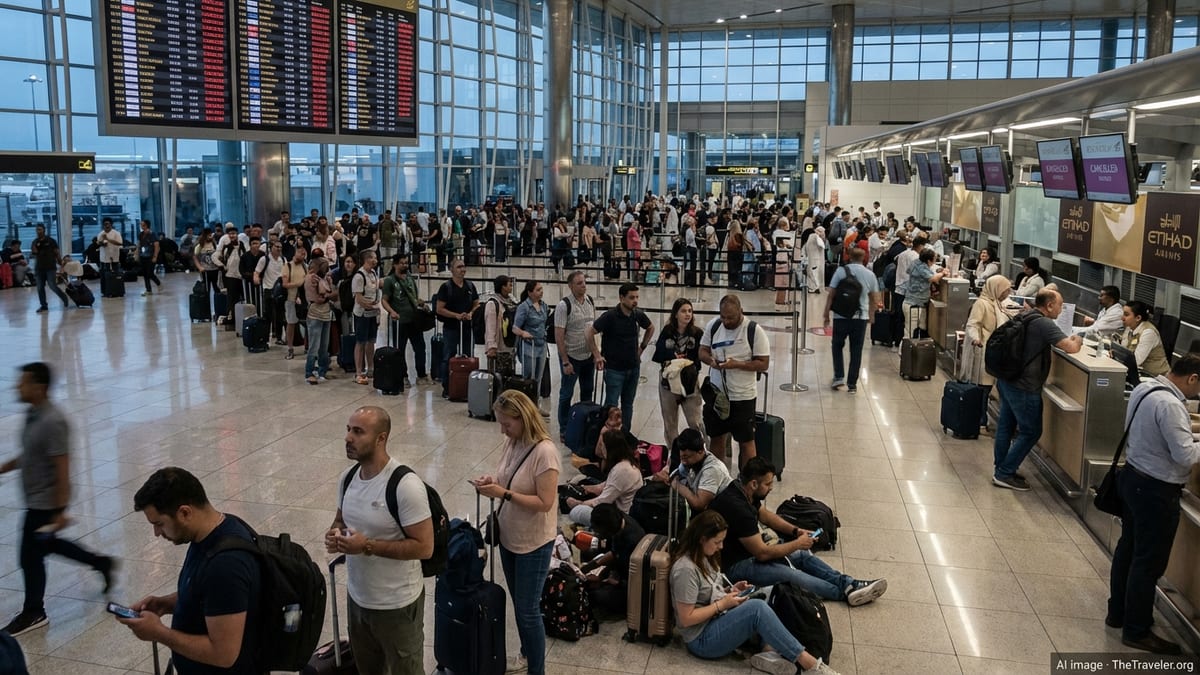
Mixed picture across UAE airlines as schedules adjust
Publicly available airport boards and flight trackers show that Dubai, Abu Dhabi and Sharjah are handling hundreds of arrivals and departures today, but with a noticeable pattern of delays on selected regional routes. Long haul services on major carriers such as Emirates and Etihad are generally operating, although some are departing behind schedule or rerouted to avoid restricted airspace.
Coverage from regional media indicates that Emirates and Etihad have maintained most of their global network while trimming or retiming flights to parts of the Middle East affected by security concerns. Air Arabia and flydubai, which have dense networks to nearby Gulf and Levant destinations, appear to be carrying a larger share of cancellations, particularly on routes to Kuwait, Bahrain and selected cities further west.
Travel updates on airline websites reiterate that schedules remain subject to change throughout the day and emphasize that passengers should verify their individual flight status before leaving for Dubai International, Zayed International in Abu Dhabi or Sharjah International. Timetables are being revised as airspace restrictions evolve and as airlines rebalance aircraft and crew across their networks.
Analysts note that this pattern reflects a common strategy during regional disruptions: preserve core long haul connectivity through hub airports while reducing exposure on shorter regional sectors that are more directly affected by closures or restricted flight paths.
Emirates: long haul stable, regional routes under review
Live departure data for Dubai International suggests that the bulk of Emirates flights are operating, including flagship services to Europe, North America and Asia, sometimes with extended flight times where routings avoid sensitive areas. Individual services show routine operational delays, but widespread long haul cancellations are not evident at present.
According to information on the Emirates flight status and travel updates pages, customers are being advised to monitor their booking online and to watch for email or SMS notifications regarding any changes. The airline continues to publish rolling travel advisories, reflecting evolving restrictions and health and safety measures in different destination markets.
Regional media coverage has highlighted a number of Emirates schedule adjustments in recent weeks on routes to the wider Middle East, often involving retimed departures or aircraft swaps rather than full cancellations. Industry observers suggest that this approach allows the carrier to keep key markets served while maintaining flexibility to pull back quickly if airspace conditions tighten again.
For travelers, the practical impact is most visible in tighter connection windows and occasional rebookings when inbound flights arrive late. Passengers with complex itineraries through Dubai are being encouraged, in publicly available guidance, to build in extra buffer time and to reconfirm the status of onward legs on the day of travel.
Etihad, Air Arabia and flydubai trim selected services
Abu Dhabi based Etihad Airways is following a similar pattern, with long haul flights largely operating while short haul services into some neighboring countries see more frequent disruption. Online timetables and booking engines reflect a slightly reduced schedule on certain Middle East routes, along with warnings that times may change at short notice.
Sharjah based Air Arabia appears to be more directly affected today by cancellations involving Kuwait, Bahrain and some destinations in the broader region. Reports in regional outlets describe several round trips scrubbed from the schedule, as the airline responds to operational and security considerations linked to airspace limitations.
Dubai based flydubai, which serves many secondary cities around the Middle East and beyond, is also showing a mix of operating, delayed and cancelled flights on public flight tracking services. Some services are being consolidated, with passengers re accommodated on alternative departures later in the day or on the following day where capacity allows.
Aviation commentators point out that point to point low cost and regional operators tend to experience sharper schedule swings in these circumstances, because a single airspace closure can affect multiple daily rotations. Network carriers with larger fleets have more scope to reroute and swap aircraft to keep a higher proportion of services operating.
What travelers flying today should do
Travel industry guidance stresses that the most important step for anyone flying from or through the UAE today is to check their flight status repeatedly, rather than relying on the original ticket or an early morning snapshot of the schedule. Airline websites and mobile apps, along with departure boards at Dubai, Abu Dhabi and Sharjah airports, are generally the most up to date sources.
Experts also recommend allowing additional time at the airport, particularly for early morning and late evening waves when delays can cascade across multiple banks of departures. Even when a flight is operating, security checks and check in queues may be longer than usual as passengers from disrupted services are rebooked and processed.
Passengers whose flights are cancelled or significantly delayed are usually offered rebooking on the next available service, and in some cases hotel accommodation or meal vouchers where local regulations or carrier policies provide for them. The exact options depend on the airline, ticket type and destination, so travelers are urged to review the conditions of carriage published on each carrier’s site.
Those with tight onward connections, separate tickets, or time sensitive commitments at their destination may wish to explore proactive date changes where permitted. Some fares on Emirates, Etihad, Air Arabia and flydubai allow voluntary changes for a fee, which can sometimes be preferable to waiting at the airport for an uncertain departure time.
Looking ahead as regional tensions continue
Airline schedules in the Gulf are typically planned months in advance, but the current regional environment means that short notice changes are likely to remain a feature of travel for some time. Public statements and advisories from carriers and aviation authorities across the region emphasize that safety considerations will continue to outweigh schedule convenience.
Industry observers expect UAE airlines to keep fine tuning their operations day by day, restoring flights where conditions allow while maintaining contingency plans for renewed airspace closures. The experience of recent months, when airspace over parts of the Middle East was intermittently restricted, has provided carriers with playbooks for diversions, fuel planning and passenger re accommodation.
For travelers, this translates into a need for flexibility and close attention to official information channels. Booking directly with airlines, ensuring contact details are correct in reservations, and using carrier apps for push notifications can all reduce the risk of being caught out by a last minute schedule change.
While today’s disruptions are unwelcome for many passengers, aviation analysts note that the overall connectivity of the UAE remains robust. As long as core hubs in Dubai, Abu Dhabi and Sharjah stay open and major long haul links continue to operate, the country is expected to retain its role as a critical bridge between regions, even as airlines navigate a more volatile operating environment.