


More news on this day
The United Kingdom is working with the United States and a wider group of international partners to position the annual Perseid meteor shower as a flagship experience for night-sky tourism, combining public outreach, dark-sky protection and new space partnerships in the run-up to this year’s peak in mid-August.
Get the latest news straight to your inbox!
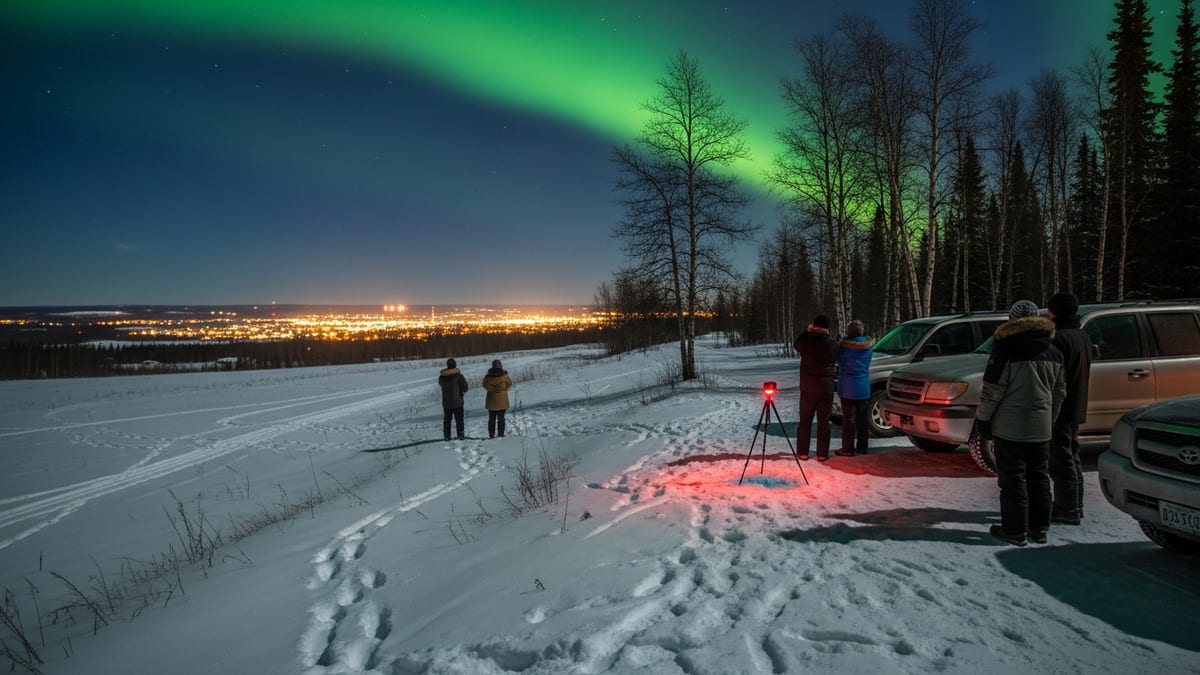
Perseid Peak Aligns With Growing Night-Sky Demand
The Perseid meteor shower, active each year from mid-July to late August, is forecast to peak around 12 to 13 August for northern-hemisphere observers, including across the UK and much of North America. Astronomical organisations in Europe and North America highlight the shower’s reliability, relatively high hourly rates and warm summer nights as key reasons it has become one of the most popular celestial events for the public.
Public information from bodies such as the Royal Astronomical Society and national weather agencies emphasises that the Perseids often deliver dozens of visible meteors per hour under dark skies. Travel operators and tourism boards in both the UK and the United States have begun using those figures in marketing material that promotes countryside stays, dark-sky reserves and coastal locations as ideal vantage points.
In recent years, local authorities and tourism bodies in places ranging from the Scottish Highlands to US national parks have tested meteor-themed events, including late-opening visitor centres, guided stargazing walks and overnight packages aligned with the Perseid peak. Industry observers note that 2026 planning is building on those pilots, with more emphasis on coordinated messaging about light pollution and responsible night-time access to sensitive landscapes.
UK–US Space Cooperation Extends to Public-Facing Sky Events
While the Perseids themselves are a natural phenomenon, the way they are monitored, forecast and turned into public events increasingly reflects deeper space cooperation between the United Kingdom, the United States and other partner nations. Policy documents on the UK’s National Space Strategy highlight a priority to work closely with the United States and fellow spacefaring countries on observation, data-sharing and space situational awareness.
Publicly available material from government and military space commands in both countries describes a networked approach to tracking objects in near-Earth space, including meteoroids and debris. Although these operational systems are primarily focused on safety and security, analysts point out that the same modelling, sensor infrastructure and expertise contribute to better understanding of meteor streams such as the Perseids and their interaction with Earth’s atmosphere.
Joint activities, including combined space operations initiatives and bilateral agreements on data and research, are cited by national space agencies as examples of how allied countries are attempting to build a shared picture of the space environment. In this context, the annual Perseid display is being used by science and outreach organisations as a public-facing reminder of that collaboration, with coordinated advisories, shared imagery and educational content crossing national boundaries.
Networks of Meteor Cameras and Citizen Scientists Span Borders
Across the UK, coordinated networks of meteor cameras operated by professional and amateur groups record thousands of Perseid meteors each season. Public updates from these networks describe how camera systems scattered across the country help reconstruct meteor trajectories, identify potential meteorites and refine models of the Perseid stream.
Similar camera arrays and radio-detection setups operate in the United States, continental Europe and other regions, and published reports from international meteor organisations show that data from multiple countries are pooled to characterise each year’s shower. The combined datasets are used by researchers to analyse activity peaks, meteor brightness distributions and any unusual outbursts, while also feeding into educational material for schools and public events.
Organisers of these networks frequently invite members of the public to contribute visual reports and photography. Travel operators and local councils have begun to reference those citizen-science efforts in promotional material, encouraging visitors not only to watch the Perseids but also to record and submit observations from designated dark-sky viewing points.
Tourism Boards Turn Dark Skies Into a Shared Asset
Tourism agencies in the UK are increasingly promoting rural regions as dark-sky destinations, with the Perseids presented as a highlight of the summer calendar. Public campaigns around national parks, coastal areas and remote islands point to low light pollution and wide horizons as advantages for meteor watching, often packaging Perseid viewing with walking, wildlife experiences and heritage attractions.
In the United States, state tourism offices and park services have supported similar initiatives, from “star parties” in desert parks to Perseid-themed camping weekends. Travel industry commentary indicates that operators are watching demand for these events as an indicator of broader interest in astrotourism, a niche segment that also includes aurora hunting and eclipse travel.
Coordinated messaging from conservation bodies and local authorities in both countries stresses that growing interest in the Perseids should not come at the expense of nocturnal wildlife or community tranquillity. Guidance distributed ahead of the peak typically highlights the value of shielding lights, limiting vehicle movements on minor roads at night and keeping noise to a minimum in rural areas that depend on both tourism and environmental protection.
Looking Ahead to Future Perseid Seasons
Forecasts produced by international meteor organisations suggest that the Perseids will remain a reliable feature of the northern-hemisphere night sky for years to come, with occasional variations in intensity driven by the structure of the cometary debris stream. Researchers in Europe and North America are continuing to refine models using long-term meteor records, high-altitude radar and satellite observations.
For the travel sector, the growing body of scientific data is helping planners schedule events, manage visitor expectations and adapt to changing conditions such as moonlight or local weather. Industry analysts note that the collaboration between space agencies, meteor networks and tourism boards is creating a template that could be replicated for other major showers, including the Geminids later in the year.
As the 2026 Perseid peak approaches, publicly available information points to a more synchronised, international approach to communication and visitor engagement, with the UK and US frequently referenced as anchor partners. Whether viewed from remote British islands, US dark-sky parks or coordinated community events in other countries, the Perseids are increasingly being framed as a shared global spectacle that links night-sky tourism with long-term investment in space science and cooperation.