


More news on this day
Travelers flying in and out of the United Kingdom faced mounting disruption as a cluster of airlines, including easyJet, British Airways, Virgin Atlantic, Aer Lingus, Air Canada and Vueling Airlines, suspended 21 flights and logged more than 400 delays on key routes serving London and Manchester.
Get the latest news straight to your inbox!
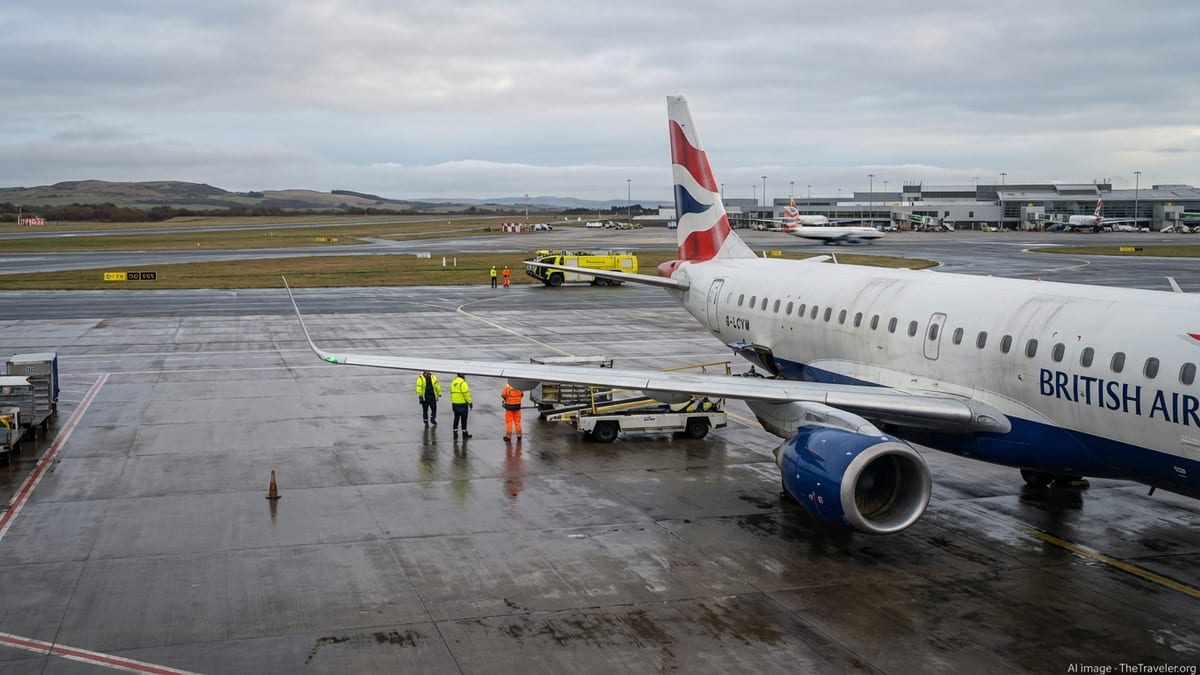
Wave of Disruptions Across Multiple Carriers
Publicly available tracking data and media coverage indicate that a broad mix of short and long haul services were affected, with low cost and full service airlines both trimming schedules. The impact was felt most heavily on links between London and major European leisure destinations, as well as transatlantic departures that use London and Manchester as key gateways.
The disruption involved an estimated 21 outright cancellations and more than 430 delayed flights across easyJet, British Airways, Virgin Atlantic, Aer Lingus, Air Canada, Vueling Airlines and several smaller carriers. The figures capture both arrivals and departures, reflecting knock on effects as delayed aircraft and crews rotated through the network.
Operational data suggests that some services were removed from schedules hours before departure, while others were scrubbed closer to take off after extended delays. Passengers reported abrupt changes to departure times, aircraft swaps and rebookings onto later flights or alternative routings through other European hubs.
The pattern of disruption mirrors broader strain visible in UK flight punctuality statistics this year, which show rising delay minutes for several large carriers. Industry observers note that even a modest spike in cancellations can cascade quickly during peak travel periods when spare aircraft and crew are limited.
London Airports Under Particular Pressure
The largest concentration of affected services was linked to London’s main airports, particularly Heathrow and Gatwick, which together handle the bulk of British Airways, Virgin Atlantic, easyJet and Vueling operations. Schedule data shows that routes from London to popular beach destinations in Spain and the Mediterranean were especially vulnerable to delays, as were trunk connections to major European capitals.
British Airways, Virgin Atlantic and Air Canada were among the airlines dealing with longer haul disruptions from London to North America and the Caribbean. These routes typically operate with high load factors, meaning that even a single cancellation can leave hundreds of passengers competing for limited rebooking options on subsequent departures.
Low cost carriers such as easyJet and Vueling contended with crowding on intra European services, where short sector times offer less room to recover from earlier delays. When early morning departures from London leave behind schedule, the resulting backlog can ripple across multiple rotations through the day, pushing later flights further into the evening.
Operational congestion at London hubs has been a recurring challenge during busy travel periods, with airlines attempting to maximize capacity while working within slot and staffing constraints. Industry analysts point out that any additional pressure from weather, air traffic control restrictions or technical issues can quickly tip schedules into widespread disruption.
Manchester Feels the Knock On Effects
Manchester, the UK’s busiest airport outside the London system, also experienced a notable share of the cancellations and delays. The airport is a key base for easyJet and an important station for carriers such as Virgin Atlantic, Aer Lingus and Air Canada, which use it to serve long haul destinations in North America and leisure markets further afield.
Recent timetable changes and network adjustments by airlines operating at Manchester have already reshaped some transatlantic options this year. Against that backdrop, the latest wave of disruption has further tightened capacity on certain days, particularly on flights linking Manchester with major European hubs and holiday destinations.
Reports from tracking platforms show that delayed arrivals into Manchester contributed to subsequent disruptions on outbound flights, as aircraft and crews arrived late from earlier legs. This effect was visible on services connecting Manchester with London and other UK airports, compounding delays for passengers trying to make domestic or international connections.
For travelers using Manchester as a starting point for long haul journeys, the combination of cancellations and lengthy delays raised the risk of missed onward flights. Some passengers were rebooked via alternative hubs in mainland Europe, while others faced overnight stays while waiting for the next available departure.
Passenger Rights and Airline Responses
The scale of the disruption has renewed attention on air passenger protections in the UK and Europe. Consumer advocates highlight that, under UK and EU regulations, travelers on many of the affected routes may be entitled to assistance such as meals, accommodation and, in certain circumstances, financial compensation when cancellations or severe delays fall within an airline’s control.
Information provided by airlines and regulators outlines varying levels of support depending on the cause of disruption, the length of delay and the distance of the flight. In practice, passengers are often advised to retain receipts, check the exact wording of airline notifications and submit claims through official channels when they believe they qualify for reimbursement or compensation.
Several of the carriers involved have previously encouraged customers to use digital tools such as mobile apps and online rebooking platforms to manage disrupted itineraries. Publicly available guidance typically urges travelers to verify flight status before leaving for the airport, as same day timetable changes can occur at short notice when operations are under strain.
Travel industry commentators observe that while airlines are attempting to protect their networks by consolidating lightly loaded services and building more buffer into schedules, short term measures cannot fully eliminate the risk of sudden disruption. They note that clear communication and prompt rebooking options remain critical to limiting the impact on passengers when irregular operations occur.
Planning Ahead for Peak Season Travel
The recent wave of cancellations and delays arrives as carriers gear up for the heart of the summer travel season, when London and Manchester routinely handle some of their heaviest passenger volumes of the year. Forward schedules show dense timetables to popular holiday destinations, suggesting that even minor operational shocks could again have outsized effects.
Travel analysts recommend that passengers build additional time into itineraries that involve tight connections, especially when routing through busy UK hubs. Choosing earlier departures in the day, where possible, may offer more flexibility for rebooking if flights are significantly delayed or cancelled.
Published guidance from consumer organizations also encourages travelers to familiarize themselves with the specific policies of the airlines they are flying, including rules on same day changes, vouchers and cash refunds. Having a clear understanding of these options can help passengers make faster decisions if their plans are disrupted at short notice.
While the current disruption has eased as airlines work through backlogs, schedule data and past experience suggest that similar episodes are likely to recur as the summer progresses. For travelers transiting London and Manchester, close monitoring of flight status and contingency planning remain important tools in navigating an increasingly pressured aviation landscape.