


More news on this day
Thousands of UK passengers have been left stranded or facing long delays after services operated by British Airways and Ryanair were hit by major disruption linked to a widespread technology outage during the busy summer getaway period.
Get the latest news straight to your inbox!
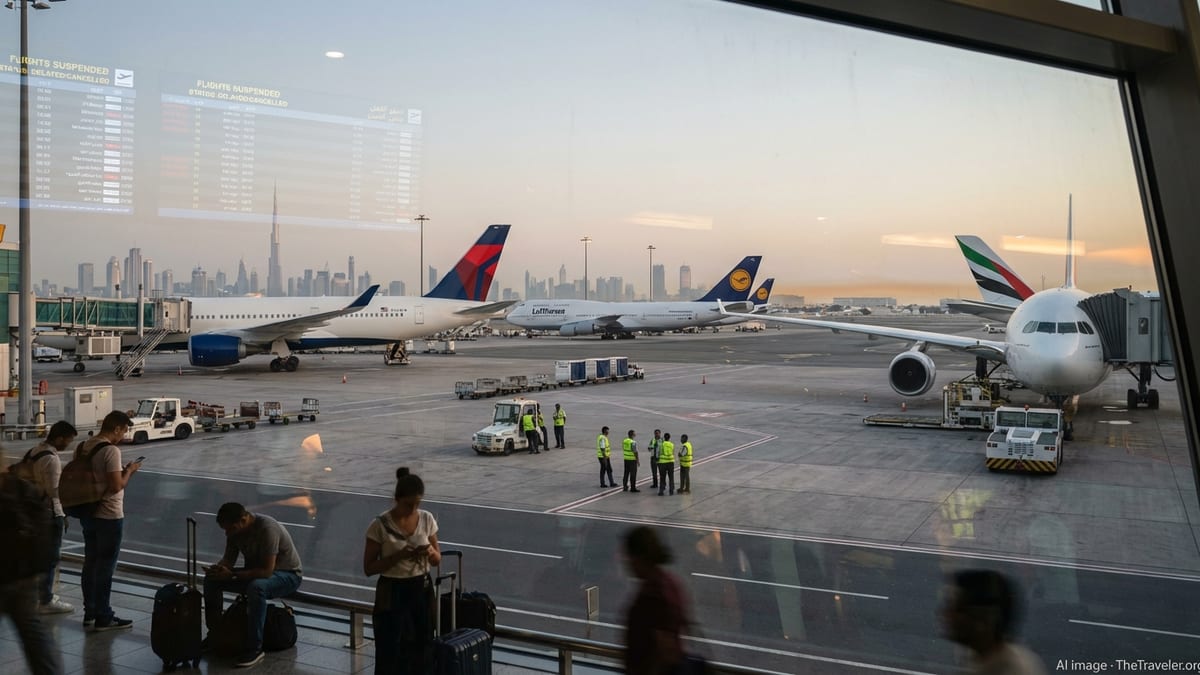
Airlines grapple with cascading fallout from IT meltdown
Published coverage indicates that both British Airways and Ryanair have been caught in the ripple effects of a global IT incident that struck aviation and other sectors during the height of the summer travel season. The problem has affected airline check in, crew and dispatch systems, triggering ground stops, mass cancellations and extensive delays across Europe and beyond.
Reports from UK airports describe passengers queuing for hours at manual check in desks, with self service machines and mobile boarding passes intermittently unavailable. Some flights departed significantly late, while others were cancelled outright as airlines struggled to reset operations after systems were restored.
Because the disruption coincided with one of the busiest travel weekends of the year for UK departures, the effect on passengers has been magnified. Aircraft and crews have been displaced around the network, leaving knock on problems that continued well after the initial outage was brought under control.
Industry analyses suggest that leading European carriers, including British Airways and Ryanair, have seen sharp short term hits to schedules and share prices as investors weigh the cost of refunds, compensation and recovery operations.
Stranded passengers face overnight stays and missed holidays
At several major UK airports, including London Heathrow, Gatwick, Stansted and Manchester, travellers have reported being stranded overnight after last minute cancellations left them with no immediate rebooking options. Families heading to popular holiday destinations have described spending hours in crowded terminals waiting for information on replacement flights.
Publicly available accounts indicate that some British Airways customers were rebooked onto later services or rerouted via alternative hubs, while others were advised to return home and attempt to travel on a different day. For those already overseas on return journeys, limited spare capacity on busy routes meant that getting back to the UK could take days rather than hours.
Ryanair passengers have reported similar experiences, with some flights grounded for extended periods while airport teams processed documents manually and waited for systems to stabilise. In a number of cases, travellers opted to buy replacement tickets with rival airlines or switch to rail and ferry services when available, adding significant unplanned costs to their trips.
Consumer advocates note that, in addition to the immediate inconvenience, many passengers are facing downstream problems such as missed cruises, tours and hotel stays, along with the administrative burden of seeking refunds, rebookings and travel insurance claims.
Financial and operational impact on British Airways and Ryanair
Early assessments from market analysts suggest that the disruption has carried a substantial financial cost for major UK and European airlines. Data examined in recent financial coverage estimates that leading groups connected to British Airways and Ryanair collectively lost billions of pounds in market value in the days following the outage, reflecting investor concerns about compensation liabilities and long term reputational damage.
Operationally, both carriers have been engaged in large scale schedule repairs. According to flight tracking and timetable data, extra recovery flights, upgauged aircraft and consolidated services have been used in an attempt to clear the backlog of stranded passengers. However, tight summer capacity has limited the options available, particularly at slot constrained airports such as Heathrow and Gatwick.
For British Airways, the disruption has added pressure to an already complex summer season marked by high demand and ongoing challenges in ground handling and air traffic control. Ryanair, which operates a dense point to point network from numerous UK airports, has faced the task of resetting hundreds of short haul rotations while maintaining punctuality targets that are central to its low cost model.
Industry observers point out that even once immediate delays ease, crew rosters, aircraft maintenance slots and airport stand allocations can remain out of sync for days, meaning some residual disruption is likely to persist.
Passenger rights and what travellers can claim
The latest wave of disruption has once again pushed UK and EU air passenger protections into the spotlight. Under the UK’s retained version of EU Regulation 261 and related rules, travellers whose flights are cancelled or severely delayed may be entitled to assistance at the airport, rebooking or refunds, and in some cases additional financial compensation.
Specialist travel rights organisations note that eligibility depends on factors such as the length of delay, the distance of the flight and whether the cause of the disruption is considered within the airline’s control. While a global IT outage linked to third party providers may be classed by airlines as an exceptional circumstance for compensation purposes, duty of care obligations for meals and accommodation typically still apply when passengers are left stranded.
Advice from consumer bodies encourages affected travellers to retain boarding passes, booking confirmations and receipts for reasonable expenses such as food, local transport and overnight stays. Many recommend submitting claims directly to the airline in the first instance, and then escalating to alternative dispute resolution schemes or the UK Civil Aviation Authority if complaints are rejected.
Travel insurance may offer an additional route to recoup some costs, particularly for missed connections with non air services, although policies vary widely and often exclude events that airlines are required to cover under statutory schemes.
Calls for stronger resilience as peak travel demand grows
The combined impact of the latest disruption at British Airways and Ryanair has renewed debate over the resilience of Europe’s aviation infrastructure. Industry reports highlight growing dependence on complex, interconnected IT systems for everything from crew scheduling to passenger check in, raising concerns about how quickly airlines can recover when a critical provider suffers a failure.
Commentary from aviation analysts suggests that investment in backup systems, manual workarounds and clearer communication protocols will be essential as passenger numbers climb to, and in some cases exceed, pre pandemic levels. Some have argued that regulators should push airlines and technology vendors to demonstrate more robust contingency planning for large scale outages.
For travellers, the events of this summer underline the importance of preparing for disruption, particularly on tightly timed itineraries. Recommendations shared by travel experts include allowing additional buffer time for connections, booking flexible tickets where possible, and keeping essential items and medication in hand luggage rather than checked bags.
As British Airways, Ryanair and other affected carriers continue efforts to stabilise their schedules, attention is likely to focus on whether lessons from this disruption translate into tangible improvements before the next peak holiday period arrives.