


More news on this day
The UK government has updated its travel advice for Italy following several nights of violent unrest in major cities, warning British travellers to avoid demonstrations, expect heightened security and monitor local developments closely.
Get the latest news straight to your inbox!
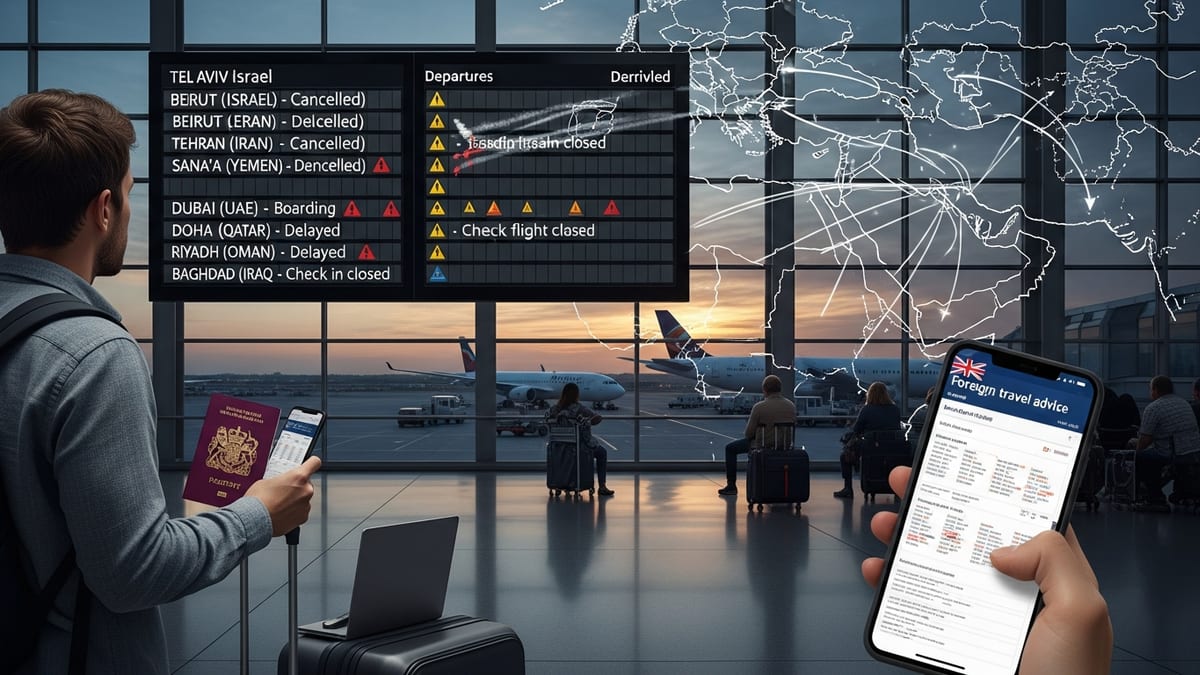
UK travel advice updated after unrest in Italian cities
According to the latest Foreign, Commonwealth and Development Office (FCDO) update on 21 October 2026, the UK government has added new information on demonstrations and riots to its Italy travel advice. The safety and security section now highlights recent disturbances across northern Italian cities and notes that some protests have turned violent, leading to rioting and looting in affected areas.
The change follows a wave of unrest linked to wider social and political tensions that began around 16 October 2026, with large street demonstrations, strikes and clashes reported in cities including Milan, Turin and Bologna. Publicly available information indicates that in some locations groups of rioters have attacked shopfronts, set up makeshift barricades and confronted police units, prompting a visible increase in riot control measures.
The FCDO advice maintains the overall travel guidance for Italy but urges Britons already in the country, or planning imminent trips, to stay away from any protests or large gatherings. Travellers are encouraged to keep checking the Italy country page on the UK government site for further updates, as the situation and associated guidance may change at short notice.
In parallel, third party summaries of the FCDO notice report that officials have linked the update to a planned national strike on 30 October 2026, with authorities in Italy preparing for further demonstrations around that date. British nationals are advised to factor the risk of unrest and disruption into any late October itineraries, especially in larger cities.
Where unrest is concentrated and what travellers are seeing on the ground
Reports from Italian and international media describe the current wave of unrest as centred on urban hubs in the north, with Milan featuring prominently. Coverage indicates that in mid October groups of young people and so called antagonists joined broader social protests, with some incidents escalating into running clashes with police and extensive property damage in central shopping streets.
In Turin and Bologna, images and video shared by major outlets show lines of riot police, burning rubbish containers and damaged tram stops after confrontations linked to student and labour demonstrations. While these scenes have raised concern among prospective visitors, other accounts from residents and travellers suggest that disturbances have so far been highly localised in specific districts and at particular times of day, rather than affecting entire cities continuously.
In Rome and Florence, publicly available information points to largely peaceful rallies and marches, although there have been tense moments around government buildings and main squares. Online traveller forums in recent days reflect a contrast between dramatic images of evening clashes in some cities and daytime experiences of visitors who report that major tourist sites remain open and operating, with disruption mostly limited to transport delays and occasional closures of central streets.
Travel risk assessments produced by private security and assistance providers in recent months have generally continued to rate Italy as a low to moderate threat environment for most visitors, even while noting an uptick in demonstrations around politically sensitive issues and large events such as the upcoming Milan Cortina 2026 Winter Olympics.
Practical implications for British holidaymakers and business travellers
The updated UK advice does not prohibit travel to Italy, nor does it trigger automatic cancellations, but it does underline that Britons should exercise increased caution. Travellers with departures in late October and early November may face knock on effects from a national strike planned for 30 October 2026, including reduced rail services, crowded stations and last minute timetable changes.
On days when protests are announced, local authorities in Italy frequently close sections of central streets, reroute buses and trams and restrict access to certain squares. Travellers arriving by train into hubs such as Milano Centrale, Torino Porta Nuova or Bologna Centrale may encounter heavily armed police and soldiers, bag checks at station entrances and temporary closures of some exits while demonstrations pass nearby.
Airports in Rome and Milan have not reported major security incidents linked to the unrest, but strike action occasionally affects ground handling, security screening or public transport connections, leading to longer queues and slower journeys into city centres. British visitors with early flights are being advised by airlines and airports to arrive well ahead of departure time and to confirm any airport transfer bookings in advance.
Package holiday companies and tour operators are currently monitoring developments but, according to publicly available information, most have continued to run city breaks and escorted tours. Travellers who have booked through a UK based provider are being encouraged to check their terms and conditions in case itineraries need to be altered, for example if an evening walking tour crosses areas scheduled for demonstrations.
How to plan routes and stay informed during a trip
British nationals planning travel to Italy in the coming weeks are being urged to build flexibility into their itineraries. The UK government advice recommends that visitors sign up for email alerts on the Italy travel advice page so they receive any new warnings about unrest, strikes or security measures. It also highlights the importance of monitoring local news and transport operator channels for city specific updates.
For day to day planning, travellers can reduce exposure to potential flashpoints by steering clear of traditional protest locations such as central squares, main government districts and university areas when demonstrations are advertised. In Rome, that may mean adjusting routes around large piazzas and main boulevards at set times, while in Milan visitors may wish to avoid parts of the city centre in the late afternoon and evening if marches are expected.
Publicly available safety guidance stressing situational awareness remains relevant in the current context. Travellers are advised to keep valuables secure, avoid crowds forming around police lines or barricades, and move quickly away from any gathering where fireworks, flares or objects are being thrown. If unrest develops nearby, the safest option is usually to enter a nearby shop, cafe or hotel lobby until the situation calms and then take a route away from the affected area.
Those renting cars in Italy should be prepared for sudden road closures and diversions, especially on days linked to strikes or nationwide actions. Navigation apps can lag behind real time closures, so drivers may find it easier to park outside central zones and continue on foot or by metro where services are still running.
Support available for Britons caught up in disturbances
The UK government emphasises that most visits to Italy are trouble free, but it has also outlined the support framework available to British nationals who encounter serious difficulty during unrest. The emergency help guidance for Italy sets out what consular staff can and cannot do in a crisis, including assistance in contacting family, providing information on local services and explaining how to engage with Italian authorities if someone is injured or detained.
Travellers are encouraged to keep copies of their passport, insurance policy and key contact numbers separate from their main documents, either in digital form or as printed copies. Comprehensive travel insurance that covers trip disruption, missed departures and emergency medical treatment is strongly recommended, particularly when visiting during a period of heightened civil unrest.
Before travelling, Britons can also review UK Counter Terrorism Policing guidance on staying safe abroad, which is linked from the Italy advice pages and provides general information on how to respond if caught up in a serious security incident. While the current FCDO update focuses on riots and demonstrations, this broader material remains a useful reference for travellers assessing overall risk.
Looking ahead, the intensity and duration of the unrest in Italy remain uncertain, and further FCDO revisions to the travel advice are possible in the coming days and weeks. For now, the message to British travellers is to stay informed, adjust plans where necessary and treat demonstrations and large gatherings with significant caution while visiting Italian cities.