


More news on this day
The United Kingdom is maintaining an updated safety warning for travellers heading to Italy after a wave of October protests in northern cities led to violent clashes, rioting and looting, and coincided with a national strike that disrupted flights, trains and local transport across the country.
Get the latest news straight to your inbox!
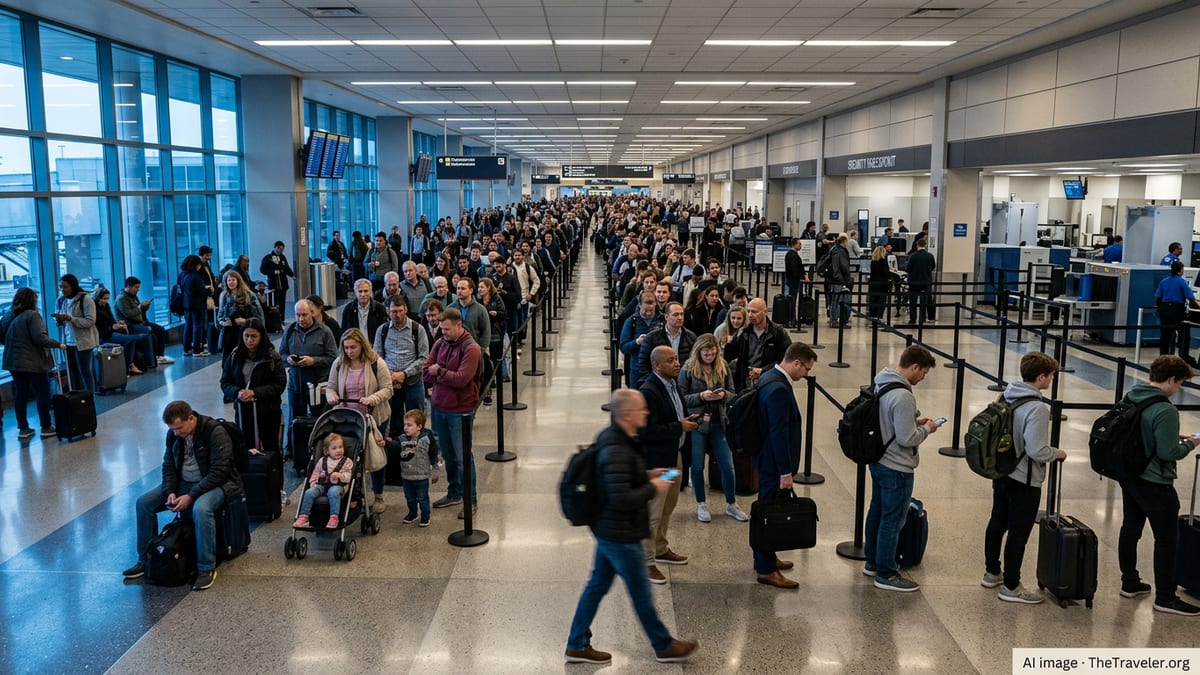
Updated UK guidance highlights civil unrest risk
Publicly available Foreign, Commonwealth and Development Office (FCDO) guidance for Italy, last revised in late October and noted again in early November 2026, flags recent demonstrations across northern Italian cities that have escalated into violent riots and looting. The wording remains in place under the "warnings and insurance" and safety sections of the advice, signalling that UK officials continue to see a residual risk linked to further unrest.
The travel advice does not classify Italy as a country to avoid, nor does it raise the overall risk level for British visitors. Instead, it draws attention to specific incidents in Milan, Turin and Bologna where largely youth-led protests against economic conditions and political decisions turned confrontational, resulting in property damage, looted shopfronts and clashes with police.
Reports indicate that the UK advisory is aligned with assessments from several other European and partner governments. Recent notices from Ireland, the Netherlands, Canada and Australia all reference ongoing demonstrations, some of which have turned violent, and recommend that travellers stay away from protest areas, monitor local news and be prepared for disruption to public services.
Despite these warnings, Italy continues to be described in multiple government assessments as generally secure and politically stable, with the main concerns for visitors focused on localised unrest, petty crime in tourist hotspots and the possibility of transport disruption linked to strikes.
Riots in northern cities follow wider European unrest
The Italian events form part of a broader wave of European protests connected to rising living costs, youth unemployment and anger over fuel prices and housing pressures. In Italy, demonstrations began around 16 October 2026 and spread quickly across major northern cities, coordinated in part through social media channels and student networks.
In Milan, publicly available footage and press coverage show groups breaking away from larger marches to smash shop windows, overturn rubbish bins and set makeshift barricades alight in the city centre. Some commercial premises in busy shopping streets suffered looting, with electronics and fashion retailers among the targets. Images from Turin and Bologna document similar scenes of vandalism and clashes with riot police during the most intense evenings of unrest.
Local media and academic analysis trace part of the mobilisation to online campaigns branded around youth precarity and opposition to perceived austerity measures. The protests also intersected with wider European demonstrations on 17 October, when cities in France, Belgium and Italy all reported disturbances, including isolated looting incidents, as parallel marches took place.
By late October the immediate street violence had largely subsided, but isolated demonstrations and sit-ins have continued in university districts and central squares, prompting foreign travel advisories to keep references to civil unrest in place. Security bulletins emphasise that protest dynamics can change quickly and that small, initially peaceful gatherings can escalate without much warning.
National strike adds to disruption risk for visitors
The FCDO update also highlighted a nationwide strike that ran from 21:00 on 29 October to 21:00 on 30 October 2026. According to airline, airport and travel industry notices, the action affected multiple sectors at once, including rail and air transport, taxis, highways, urban public transport networks, schools and some government offices.
Travel industry briefings and British travel trade coverage reported warnings of possible flight delays and cancellations at major Italian airports, along with reduced train frequencies on key intercity routes. Local transport operators in cities such as Rome, Milan and Naples announced minimum guaranteed services during peak commuter hours, but off-peak connections were cut back or suspended for the duration of the strike.
While the strike window has now passed, European foreign ministries caution that further labour actions are possible in the coming weeks as unions continue to negotiate over wages and working conditions in the context of higher inflation and energy costs. For travellers, this means that even when security conditions are calm, transport reliability can fluctuate, especially on days announced for industrial action.
Advisories from the United Kingdom, Ireland and Australia all encourage travellers to check timetables before departure, register for airline or rail company alerts and allow extra time for transfers to and from airports and major stations. Travel insurers also stress the importance of checking policy wording for coverage related to strike-induced delays or cancellations.
How current warnings affect trips to Italy
Despite the high-profile images of burning barricades and broken shopfronts in parts of northern Italy, official guidance from the United Kingdom and other countries still supports leisure and business travel, provided visitors take sensible precautions. The prevailing recommendation is to "exercise increased caution" in areas where demonstrations are announced and to avoid joining crowds, even out of curiosity.
European and North American advisories consistently advise steering clear of large political gatherings, especially in central squares, near government buildings and close to transport hubs. In practical terms, this can mean adjusting sightseeing plans if marches are expected near key attractions, and allowing detours if certain streets are temporarily closed by police.
Travellers are also being encouraged to pay close attention to local information, such as municipal transport announcements and airport operator notices, which tend to provide the earliest detail on route closures, metro shutdowns or strike schedules. Hotels and guesthouses in major cities have been updating guests with printed or digital bulletins summarising expected disruptions, according to media and industry reports.
Travel risk consultancies continue to rate most Italian cities as low to moderate risk for violent crime and terrorism, placing the current unrest in the category of situational, rather than structural, threats. That distinction has allowed governments to avoid imposing broader restrictions such as blanket travel bans or mandatory registration requirements for visitors.
Practical advice for UK travellers planning visits
Publicly available guidance aimed at British nationals emphasises preparation and flexibility over cancellation. Travellers are urged to keep contact details for their airline, rail operator and tour provider readily accessible, and to use official apps or text services where available to receive real-time notifications about delays or route changes.
On the ground, standard urban safety measures are being recommended. These include keeping valuables secure in crowded places, being cautious near stations and transport interchanges where pickpocketing is more common, and moving away swiftly if a gathering begins to grow tense or if police deploy in large numbers. Visitors are also encouraged to carry identification and note the location of their accommodation in case public transport is disrupted and walking or taxis become necessary.
Travel advisories also point to the value of comprehensive insurance that covers emergency medical care, trip interruption and last-minute changes caused by strikes or civil unrest. Providers note that policies should be purchased before any new protest dates or strikes are formally announced, as events known at the time of booking may not be insurable.
For now, the UK travel warning for Italy functions as a heightened awareness note tied to specific episodes of unrest in October 2026, rather than a signal to abandon trips altogether. With the situation on the streets calmer but still fluid, prospective visitors are being advised to stay informed, build in extra time and remain ready to adjust itineraries as Italy works through a volatile political and economic moment.