


More news on this day
Rory McIlroy and Jon Rahm are set to headline this week’s Abu Dhabi Aldar Championship at Yas Links, as the DP World Tour presses on with its UAE playoffs under expanded security procedures and a heightened regional travel warning.
Get the latest news straight to your inbox!
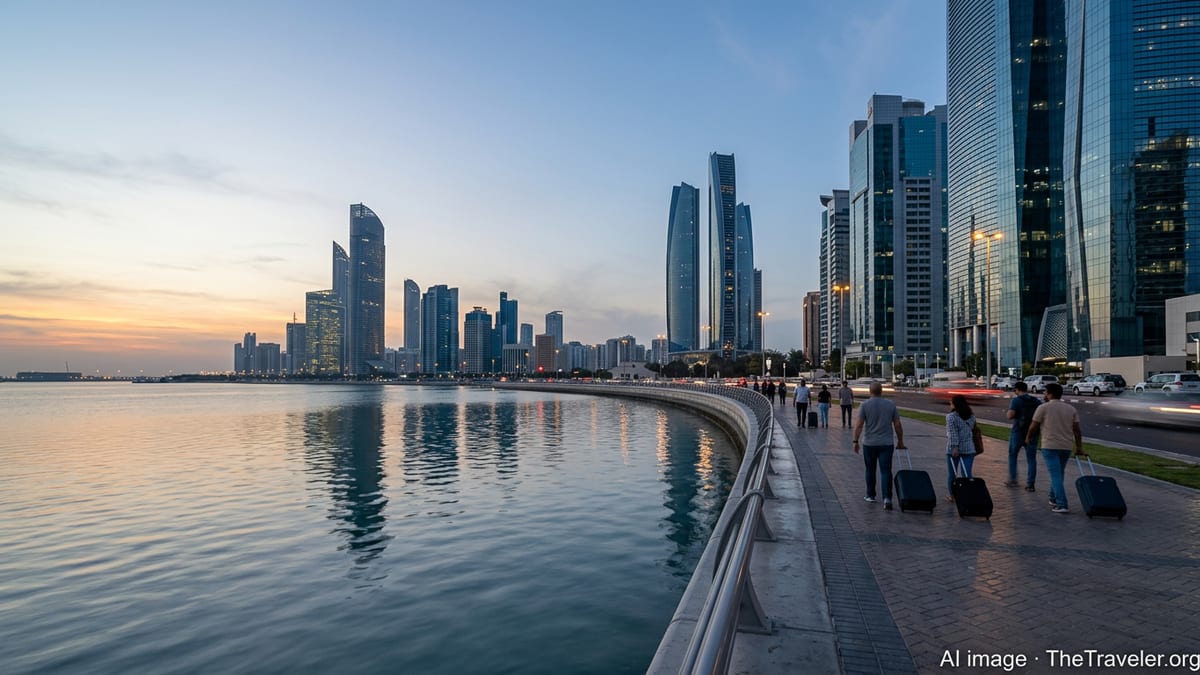
Playoffs Open at Yas Links Under a Clouded Backdrop
The 2026 Abu Dhabi Aldar Championship, opening on Thursday, November 5, launches a two‑event DP World Tour playoff swing that will conclude next week at the DP World Tour Championship in Dubai. The Abu Dhabi stop brings together the top 70 available players from the season‑long Race to Dubai standings, turning Yas Links into the focal point of the men’s professional game in the region.
The event follows a familiar competitive script, with McIlroy arriving as one of the dominant forces in the Race to Dubai and Rahm making his first DP World Tour start since completing a much‑scrutinised separation from LIV Golf earlier in the season. Golf Channel and other outlets have highlighted Rahm’s Abu Dhabi appearance as an important step in his pathway back toward a fuller PGA Tour schedule, with the Spaniard needing a strong finish to secure his position inside the top 50 and advance to Dubai.
Yas Links, which hosts the Abu Dhabi Championship after previous editions at Abu Dhabi Golf Club, again offers a stadium‑style setting on the shoreline, with grandstands and hospitality concentrated around the closing stretch. DP World Tour documentation for recent editions confirms a total purse in the region of 9 million dollars for Abu Dhabi, a level that places the tournament among the circuit’s most lucrative regular‑season stops and a critical opportunity for players chasing end‑of‑year bonuses and exemptions.
For McIlroy, the week also carries historical weight. Coverage of past seasons notes that another title across the UAE swing would further strengthen his pursuit of additional Harry Vardon Trophies as European No. 1 and extend a recent run of success in the Middle East that has included low rounds and playoff duels in Abu Dhabi and Dubai.
Emergency Protocols Put Security Front and Center
What distinguishes this year’s Abu Dhabi stop from previous editions is not the strength of the field but the prominence of its security planning. Multiple outlets have published images and descriptions of detailed emergency notices distributed to players and caddies on site. The guidance sets out how competition will pause and how the course will be cleared if United Arab Emirates authorities issue a public mobile‑phone alert during play.
Reports from golf media describe a system built around a long air‑horn signal that would halt play immediately, followed by a structured evacuation route back to the clubhouse. Players, caddies and on‑site personnel have been instructed to move along predetermined paths rather than dispersing individually around Yas Links. Further updates are to be provided in the clubhouse and via restricted digital channels used by the tour’s membership.
The notices also explain how individuals should respond if they receive an alert while away from the course, emphasising adherence to any instructions contained in official messages. While the plan has been characterised in coverage as precautionary rather than a response to a specific threat to the tournament, its level of detail underlines how seriously organisers are treating the wider regional risk environment.
Separate reporting points to a recent U.S. Department of State advisory that lists the United Arab Emirates as a destination where travellers are urged to reconsider their plans because of terrorism and ongoing armed conflict involving Iran‑aligned groups and Western interests. Golf business outlets note that the advisory, combined with recent attacks on infrastructure in neighbouring countries, has elevated concerns among travelling professionals about air routes, transit hubs and contingency options should the situation deteriorate during the playoffs.
High‑Profile Withdrawals Highlight Player Unease
Although McIlroy, Rahm and several other major champions have committed to compete, the Abu Dhabi Aldar Championship field is noticeably thinner than the rankings alone would suggest. Sky Sports, Golf Monthly and other publications have tracked at least a dozen eligible players who have chosen not to travel despite being in position to qualify for the event based on Race to Dubai points.
Among those absent are Ryder Cup standouts Matt Fitzpatrick and Robert MacIntyre, along with established winners such as Justin Rose, Shane Lowry, Ryan Fox, Min Woo Lee, Si Woo Kim, Ludvig Aberg and Alex Fitzpatrick. Some are redirecting their schedules toward events on other tours, including the PGA Tour’s World Wide Technology Championship in Mexico, which overlaps with Abu Dhabi and has attracted at least one eligible DP World Tour player as a pre‑tournament favourite.
The reasons for skipping Abu Dhabi are not uniform. Public comments from Fitzpatrick and Fox in the weeks leading up to the playoffs referenced discomfort with travelling to the Middle East while regional conflict continues, and questioned the clarity and timing of communication around contingency plans. Other players have cited personal situations, including recent family additions, which have influenced their risk tolerance and willingness to take long‑haul trips into a more complex security environment.
Coverage in specialist golf media has also pointed out that players are not required to specify whether their absence is related to safety concerns or pure scheduling choice, making it impossible to quantify how many withdrawals stem directly from the security picture. Even so, comparisons with previous seasons indicate that the proportion of qualified players opting out is higher than a year ago, reinforcing the sense that non‑sporting factors are shaping the final stretch of the DP World Tour season.
What Spectators and Traveling Fans Can Expect on Site
For spectators who still plan to attend, publicly available tournament guidance provides a snapshot of how the event experience is being managed in parallel with the new emergency planning. Frequently asked questions for recent Abu Dhabi Championships outline standard venue rules at Yas Links, including restrictions on cameras during competition days, limitations on unauthorised broadcasting or data collection, and instructions for moving around the course via clearly marked crossing points outside the ropes.
The event gates are scheduled to open from Thursday through Sunday, with practice days earlier in the week typically reserved for players, caddies and accredited personnel. Spectators will find dedicated viewing areas around key holes, particularly the closing stretch along the waterfront, and a village area near the main entrance with food, beverage and entertainment offerings that have become a hallmark of high‑profile UAE golf weeks.
While the emergency procedures published for 2026 are directed first at participants and staff, traveling fans are likely to see more visible signage relating to evacuation routes and alerts, reflecting the broader plan. Reports also indicate that communication about security has been more explicit than in past years, both in player correspondence and in general advisories, so visitors should expect clear instructions on what to do if announcements are made on course.
Ticketing, hospitality and transport information for this year’s event continues to be delivered through official DP World Tour and local organiser channels. However, given the evolving situation in the wider region and the current U.S. travel advisory, media coverage is encouraging international visitors to review their own government’s guidance and confirm airline and accommodation policies on changes before departure.
Balancing Sporting Stakes With Regional Uncertainty
The result in Abu Dhabi will carry immediate sporting consequences, trimming the Race to Dubai standings to the top 50 players who will progress to the season‑ending DP World Tour Championship at Jumeirah Golf Estates in Dubai. Those who qualified but chose not to travel must now rely on existing points totals and results elsewhere, while those in the field have a chance to climb the rankings significantly with a strong finish at Yas Links.
For Rahm, Abu Dhabi represents both a competitive return and a test of his ability to re‑establish himself inside elite European circles after his exit from LIV. Golf Channel and Golf Digest analysis has stressed how crucial the DP World Tour playoffs could be for reshaping his schedule in 2027, given eligibility requirements and appearance minimums attached to future tour membership.
For McIlroy, the stakes revolve around history and momentum. A strong performance across the UAE swing would bolster his tally of season titles and could shape narrative expectations heading into the next major‑championship year. His previous low rounds and near‑misses on coastal layouts in Abu Dhabi have already established the city as a recurring chapter in his career.
Against that backdrop, the 2026 Abu Dhabi Aldar Championship has become a case study in how global tours weigh commercial commitments, competitive integrity and participant safety when planning events in politically sensitive regions. Organisers insist through public statements and detailed contingency planning that the tournament can proceed responsibly, while a notable minority of players has decided that the balance of risk and reward lies elsewhere. How the week unfolds at Yas Links will be closely watched not only by golf followers, but also by other international sports bodies scheduling events in the Gulf.