


More news on this day
The United Kingdom is maintaining heightened travel advice for Italy after October’s outbreaks of rioting, looting and arson in several major cities, as student and cost-of-living protests continue to rumble on and authorities keep soldiers and riot police on the streets of Milan, Rome and other urban centers.
Get the latest news straight to your inbox!
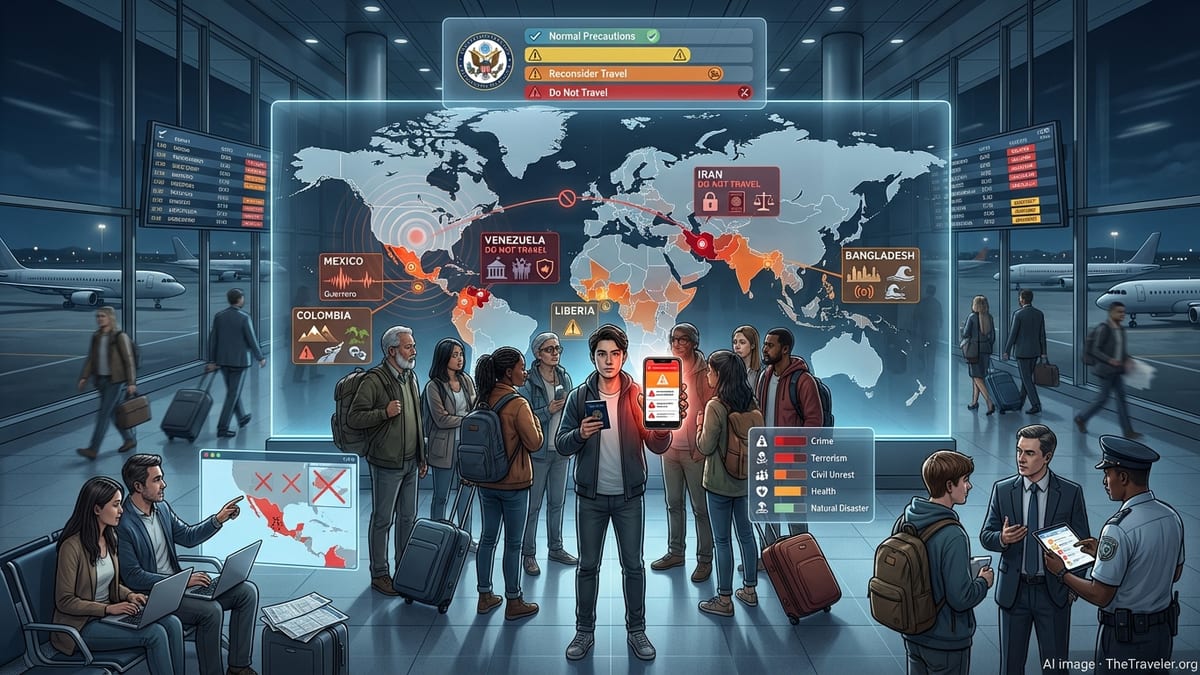
UK Travel Advice Highlights Risk of Further Unrest
According to the latest update to the UK government’s official foreign travel advice for Italy on 29 October 2026, recent demonstrations across northern Italian cities have led to violent riots and looting, prompting a stronger warning for visitors to “stay away from protests and demonstrations” and to be alert to a continued risk of disorder in busy urban areas. The advisory notes that while most trips to Italy remain trouble free, security conditions can change quickly and further protests may be announced at short notice.
The safety and security section of the same guidance underlines a long-standing concern about the possibility of terrorism alongside the newer warning about civil unrest. Travelers are encouraged to monitor local media, follow any instructions that are publicly communicated by city authorities and transport operators, and sign up for email alerts so that they receive any future changes to the Italy advice without delay.
The UK stance broadly aligns with assessments from other governments. Updated advisories from countries such as Australia and Canada also highlight ongoing strikes, protests and demonstrations across parts of Italy and warn that these can disrupt public transport, road networks and access to services in affected cities, even when events remain peaceful.
Riots and Looting Concentrated in Milan and Northern Cities
The current phase of unrest in Italy is widely traced to 16 October 2026, when a wave of demonstrations linked to cost-of-living pressures and youth grievances began in cities including Milan, Turin and Bologna. Media analysis describes this mobilization, often referred to as the “17 October Movement,” as part of a wider European protest cycle driven by high prices, housing shortages and frustration with economic prospects for younger generations.
Violence has been most visible in Milan, Italy’s financial and fashion capital. Reporting from international news agencies indicates that on 17 October rioters clashed with police in central Milan, looted stores and set fires near Piazza del Duomo and in nearby shopping streets, forcing the evacuation of an area that would normally be packed with shoppers and tourists. Subsequent coverage in Italian and international outlets described masked youths smashing the windows of international fashion and sportswear brands and using overturned bins and street furniture to construct makeshift barricades.
In response, the Italian government announced the deployment of several hundred soldiers to Milan and expanded the powers of police to detain minors involved in violent acts. Coverage in European media has highlighted the political debate around this move, with some commentators framing it as a necessary measure to reassure residents and visitors, and others questioning whether a military presence risks escalating tensions in already strained neighborhoods on the city’s outskirts.
Protests Continue but Security Presence Increases
Though the most intense looting and arson were reported during the weekend of 17–18 October, demonstrations have continued nationwide. On 24 October, thousands of predominantly young protesters marched through Milan, Rome and Turin again as part of coordinated action across Europe. International press reports describe a heavy security presence in central districts, including lines of riot police and soldiers positioned near railway stations and key squares.
Accounts from that weekend indicate that the reinforced policing strategy largely succeeded in preventing a repeat of the earlier large-scale rioting, though there were isolated clashes on the fringes of some marches. At the same time, Italian and foreign media have pointed to episodes of symbolic de-escalation in later demonstrations, such as students offering flowers to police lines in Turin and scenes of protesters and officers allowing each other to pass without confrontation.
Analysts quoted in European news coverage suggest that while the immediate spike in violence has eased, the grievances driving the movement are unresolved. High youth unemployment, student rents reportedly reaching up to around 900 euros per month in Rome and more than 1,000 euros in Milan, and widespread frustration with living costs are all cited as underlying factors. As a result, observers expect further mobilizations, particularly in university areas and working-class suburbs, over the coming weeks.
Impact on Tourists and Key City Districts
Despite the prominent images of looted storefronts and burning rubbish bins, most of Italy’s major tourist attractions have remained open throughout the unrest. Publicly available information from tourism bodies and travel advisories indicates that the Colosseum, Vatican Museums, Uffizi Gallery and other headline sites in Rome and Florence have continued to operate, with only occasional temporary closures or access restrictions when marches pass nearby.
The disruption has been more noticeable in certain commercial districts and transport hubs. In Milan, luxury boutiques and high-street retailers in the fashion quadrilateral and around Piazza del Duomo shuttered early on days when large protests were advertised, in some cases boarding up windows as a precaution after the looting of selected shops earlier in the month. Local and international coverage also notes intermittent delays and diversions to tram and metro services when demonstrations intersect with key junctions.
Elsewhere, cost-of-living protests by truck drivers and farmers in southern regions briefly led to road blockages and distribution problems, with social media and local reports mentioning shortages of some groceries and fuel in parts of Campania and Puglia before blockades were lifted. However, feedback shared on public travel forums during the same period suggests that many visitors in destinations such as Naples, Sorrento and the Amalfi Coast have experienced only limited inconvenience, mainly in the form of heavier traffic or the need to allow extra time for airport and station transfers.
Practical Advice for Travelers Planning Trips to Italy
For travelers from the UK and other countries, the maintained alert does not prohibit trips to Italy but it does call for a higher level of situational awareness. The UK advisory stresses the importance of avoiding demonstrations, even when they appear peaceful, and of leaving the area immediately if signs of tension such as large police deployments, firecrackers or people donning masks begin to appear.
Independent security briefings on Italy recommend that visitors pay particular attention to central squares, university districts and government areas in cities like Milan, Rome, Turin and Bologna, where protest routes are typically concentrated. Travelers are also advised to keep accommodation and transport plans flexible, checking hotel booking conditions and allowing additional time in itineraries in case of short-notice changes to public transport schedules or temporary closures of metro stations and key streets.
Given that advice levels can change with little warning, foreign ministries and consular services consistently recommend that citizens register for travel alerts for Italy and monitor local news during their stay. For those yet to depart, checking the most recent guidance from both home-country authorities and airlines before travel can help avoid surprises related to strikes, cancelled services or large planned marches that might affect arrival or departure days.