


More news on this day
Britain has tightened its travel advice for Saudi Arabia after a wave of missile and drone strikes on Riyadh and other cities, including a deadly attack on the capital’s main international airport that has intensified concerns over civilian aviation and regional stability.
Get the latest news straight to your inbox!
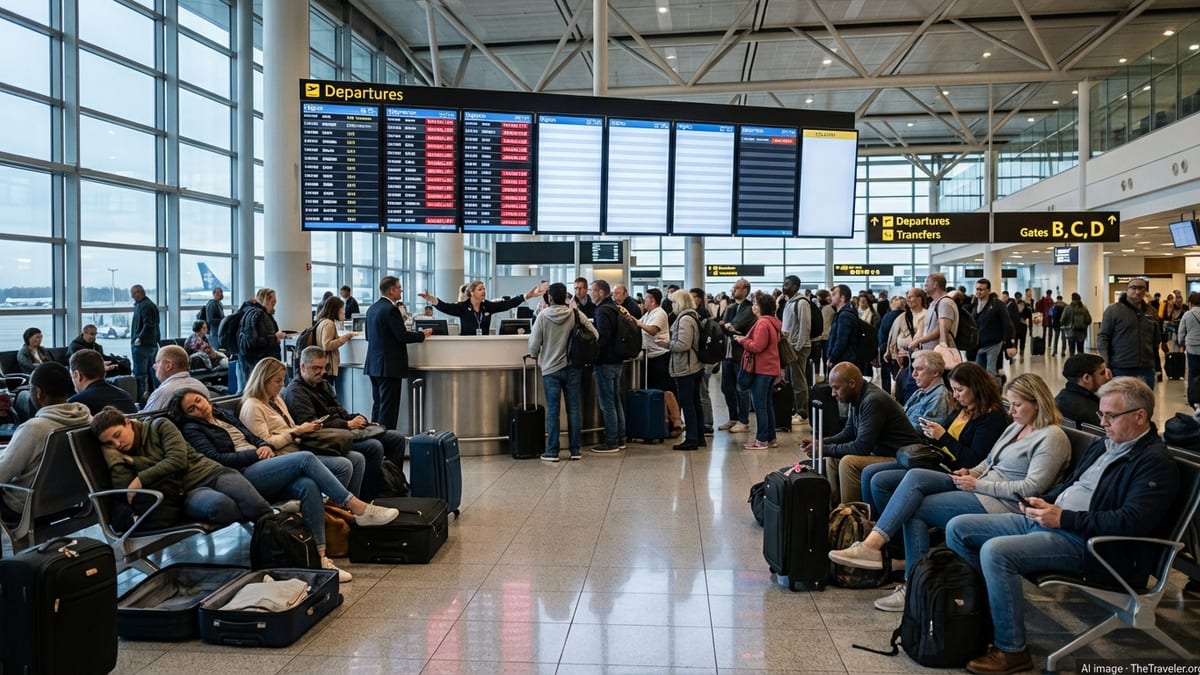
Missile Strikes on Riyadh Trigger Policy Shift
Publicly available information from international media and government advisories shows that Yemen’s Houthi movement has sharply escalated missile and drone attacks on Saudi territory in recent weeks, targeting both critical infrastructure and civilian sites. In early October 2026, King Khalid International Airport in Riyadh was struck twice in as many days, with the initial barrage killing more than a dozen people and injuring hundreds, including foreign nationals.
Subsequent coverage indicates that the strikes involved a mix of ballistic and cruise missiles as well as drones, part of a broader campaign linked to renewed fighting along Yemen’s Red Sea coast and around the Bab al Mandab Strait. The attacks followed earlier incidents this year in which Houthi projectiles damaged oil facilities and other economic targets across Saudi Arabia’s south and west.
Against this backdrop, the United Kingdom’s Foreign, Commonwealth and Development Office has updated its Saudi Arabia travel pages to underline the heightened risk from missiles, drones and other projectiles. The government advice now foregrounds the recent attack on King Khalid International Airport and notes that further strikes on transport hubs and urban areas cannot be ruled out.
The shift comes as regional partners, including the United States and several European states, report a sustained threat to aviation and shipping linked to the conflict. Advisories from Canada, New Zealand and other governments similarly highlight the risk of missile and drone fire affecting airports, ports and industrial facilities throughout the kingdom.
UK Travel Advice: From Localised Warnings to Countrywide Risk
The UK has long advised against travel to areas of Saudi Arabia close to the Yemen border, citing a history of cross border shelling, drone launches and insecurity. In recent updates, that cautious stance has widened. The safety and security section for Saudi Arabia now stresses that missiles and drones launched from Yemen have reached well beyond frontier regions and have struck targets in and around major cities, including Riyadh and Red Sea hubs.
Regional risk guidance on the Saudi Arabia country page indicates that renewed direct conflict between Houthi forces and the governments of Yemen and Saudi Arabia has increased the likelihood of further long range attacks. The wording emphasises that projectiles have previously hit civilian airports, oil infrastructure and military facilities, and that similar sites remain at risk while hostilities continue.
British travellers are directed to monitor the official travel advice closely, register their presence in the region where appropriate and be prepared for sudden changes in security conditions. The advisory flags the possibility of short notice flight cancellations, diversions or airport closures if air defence systems detect incoming threats or debris falls near runways and terminals.
Insurance implications are also highlighted in separate guidance from UK based institutions and universities referencing the FCDO position. These notices warn that travelling in defiance of official advice, particularly to areas categorised as “advise against all” or “advise against all but essential travel,” may invalidate cover, including medical evacuation and crisis assistance.
Impact on Flights, Pilgrimage and Business Travel
The timing of the latest missile strikes and subsequent advisory changes is significant for leisure, religious and corporate travel flows. King Khalid International Airport in Riyadh is a key gateway for business visitors and for domestic connections onward to cities such as Dammam, Abha and Jizan. Disruption there reverberates across the national network, affecting both foreign carriers and Saudi operators.
Separate travel advisories published by Canada and other partners in late October 2026 refer to missile and drone attacks on several Saudi airports and warn that operations have been disrupted at multiple locations, sometimes with little advance notice. Travellers are urged to stay in close contact with airlines, monitor airport announcements and allow extra time for security screening and potential delays.
While Mecca and Medina remain open for religious visitors, the elevated threat level complicates planning for Umrah trips and for tour operators preparing for future Hajj seasons. Public information from consular services stresses that any deterioration in the security environment, or further successful strikes on aviation infrastructure, could trigger new restrictions on charter operations, reduced frequencies on key routes or tighter caps on pilgrimage quotas from certain countries.
For corporate travellers, particularly those in energy, construction and financial services, the UK travel advice reinforces the need for formal risk assessments before authorising visits to Saudi Arabia. Companies with staff movements through Riyadh, Jeddah or eastern province cities are being encouraged, through publicly available employer guidance, to consider postponing non essential trips, review evacuation plans and ensure robust tracking of personnel on the ground.
Heightened Maritime and Regional Security Concerns
The missile strikes on Riyadh are occurring against a wider backdrop of tension in the Red Sea and the Bab al Mandab Strait. Open source reporting indicates that Houthi forces now exert significant control over Yemen’s Red Sea coastline and nearby islands, amplifying their ability to threaten both Saudi ports and international shipping lanes that carry a substantial share of global oil and container traffic.
Analyses by security think tanks and maritime advisories issued since mid 2025 have tracked an evolution in Houthi tactics, with more complex attacks combining drones, anti ship missiles and unmanned surface vessels. Recent government assessments suggest that this capability remains intact in 2026, despite previous multinational strike campaigns targeting launch sites and stockpiles.
New Zealand’s official travel advice for Saudi Arabia, updated in mid October 2026, now categorises the entire country at its highest risk level due to ongoing missile and drone strikes. The notice warns that further targets may include ports and coastal infrastructure as well as airports and government facilities. Such language underscores concerns that any escalation at sea could quickly feed back into risks for travellers transiting Saudi coastal cities.
UK parliamentary statements in October have also drawn attention to the strategic stakes, with ministers outlining additional British military support for Saudi air defence. Public documents describe Royal Air Force Typhoon deployments tasked with defensive counter air patrols to help shield Saudi cities and critical infrastructure from aerial attack, a move that underlines both the severity of the threat and its potential longevity.
What Travellers Should Consider Before Heading to Saudi Arabia
For travellers contemplating trips to Saudi Arabia in late 2026, the updated UK advice translates into a more cautious environment that requires detailed preparation. Those who decide to proceed are encouraged, by publicly available guidance, to ensure that their travel insurance explicitly covers destinations under strengthened advisories and to verify in writing whether missile and drone related disruptions are included.
Passengers with itineraries connecting through Riyadh, Jeddah or Dammam are advised to watch for airline schedule changes and to consider flexible booking options that allow for re routing if security conditions deteriorate. Travel planners are also pointing to the value of daytime arrivals and departures, where possible, to reduce exposure to curfew like measures or local transport constraints that might follow any new incident.
Once in country, the emphasis in official advice is on situational awareness and adherence to local security instructions. Travellers are asked not to photograph or film missile interceptions, debris fields or damaged infrastructure, both for safety reasons and because of legal restrictions on recording sensitive sites such as airports, government buildings and military facilities.
The UK’s tightening of travel advice after the Riyadh airport strikes reflects a broader reassessment of risk across the Gulf region. As long as missile and drone attacks remain a feature of the conflict between Saudi Arabia and Houthi forces, leisure and business visitors are likely to face a landscape shaped by evolving security measures, potential flight disruption and a premium on flexible, well insured travel plans.