


More news on this day
The United Kingdom has sharply tightened its travel warning for Saudi Arabia, reflecting an escalating risk from missile and drone strikes on airports, energy facilities and Red Sea infrastructure linked to the conflict in Yemen.
Get the latest news straight to your inbox!
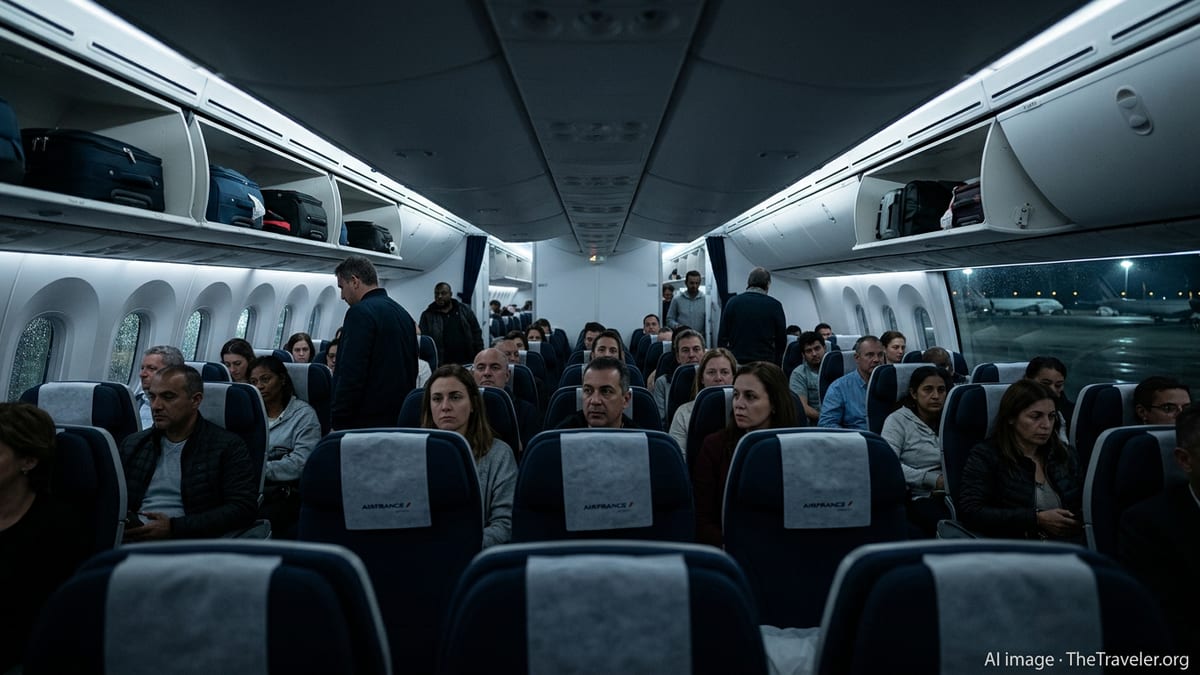
Stronger UK Warning Follows Airport Missile Strikes
Updated Foreign, Commonwealth and Development Office travel advice now highlights a significantly heightened threat of missile and drone attacks across multiple regions of Saudi Arabia. Publicly available guidance notes that King Khalid International Airport in Riyadh was struck by a missile on 10 October 2026 and remains at risk of further attacks, with additional warnings covering other major transport and energy hubs.
According to the official advisory, missiles and drones launched from Yemen have targeted locations including Abha, Jizan, Najran, Riyadh, Jeddah, Dammam and Yanbu, alongside shipping routes in the Red Sea. The latest wording stresses a raised risk to airports, ports, oil infrastructure, military facilities and other critical sites, and signals a broader concern about region-wide instability stemming from renewed hostilities in Yemen.
In parliamentary material published in early October, UK ministers acknowledged that recent attacks in Saudi Arabia prompted a reassessment of the security environment for British nationals. The written record notes that travel advice was updated to discourage non essential trips to key urban and coastal areas, as well as to most Saudi airports, with Medina currently highlighted as an exception for some routes.
Travel media and industry briefings report that the UK caution sits within a wider pattern of government advisories. Canada, Australia, New Zealand and the United States have each updated their own guidance to flag missile and drone activity affecting airports, energy infrastructure and cross border areas, urging travellers to reconsider or avoid trips to the kingdom while the situation remains volatile.
Airports, Airlines and Widespread Flight Disruption
The stepped up UK guidance comes amid repeated strikes and attempted strikes against Saudi aviation infrastructure. Open source reporting links the October hit on Riyadh’s King Khalid International Airport to a wider campaign of Houthi missile and drone attacks on Saudi airports throughout 2026, which has resulted in dozens of deaths and hundreds of injuries when incidents are combined.
Eastern hub King Fahd International Airport near Dammam has also been cited in recent coverage following lethal attacks attributed to projectiles originating from Yemen. Civil aviation statements referenced in international media describe interruptions to operations and temporary closures at several airports as security forces respond to incoming threats and debris from intercepted drones and missiles.
Travel industry analyses indicate that many international airlines have already reduced or suspended services to Riyadh, Jeddah and Dammam, extending cancellations into early 2027. One widely cited report notes that at least one major European carrier does not expect to resume flights to Riyadh before January 2027 and has halted Jeddah routes entirely, reflecting both safety concerns and insurance considerations.
The UK advisory now explicitly encourages British nationals who wish to leave Saudi Arabia to consider travelling overland to neighbouring states and flying out from airports there, if local conditions allow. Travellers are urged to monitor airline communications closely, as schedules remain subject to short notice changes triggered by new attacks, intercepted projectiles or precautionary shutdowns of airspace.
Regional Conflict and Missile Risk in the Red Sea Corridor
The tightening of advice is closely linked to the broader security crisis centred on Yemen and the Red Sea. UK government statements over recent months have condemned a renewed wave of Houthi attacks on Saudi territory, including strikes on civilian and energy infrastructure and explicit threats to impose a maritime blockade affecting Red Sea trade routes.
Analytical reporting on the Bab al Mandab Strait crisis notes that Houthi forces control much of Yemen’s Red Sea coastline, allowing them to target shipping and coastal infrastructure with drones and missiles. Maritime security bulletins produced for shipowners describe a sustained, though fluctuating, threat level for commercial vessels transiting between the Suez Canal and the Gulf of Aden, with traffic volumes markedly below pre crisis norms.
In response, the United Kingdom has expanded its military support role, with recent coverage highlighting defensive air patrols and cooperation with regional partners aimed at intercepting hostile launches. However, publicly available briefings acknowledge that even successful interceptions can create risks on the ground when debris falls near populated areas, airports or industrial installations.
Travel advisories from several countries now explicitly connect the possibility of missile and drone attacks to potential disruptions on key pilgrimage, business and tourism routes, as well as to cruise and ferry itineraries using Saudi ports on the Red Sea. As a result, travellers are being encouraged to factor in not only overflight and airport safety, but also the resilience of maritime transport serving popular coastal destinations.
Practical Implications for UK Travellers to Saudi Arabia
The revised UK guidance has important consequences for both leisure and business travel. The FCDO notes that travel insurance may be invalidated if individuals visit areas, or use routes, that are covered by an official “against all but essential travel” warning. This can affect medical cover, evacuation support and compensation for missed connections if flights are cancelled due to security incidents.
Risk management briefings from universities and large employers in the UK advise staff to reassess any planned trips to Saudi Arabia, particularly to Riyadh province, Jeddah, Dammam and other regions explicitly cited in the updated advisory. Some institutions are temporarily restricting academic, corporate or fieldwork travel to the kingdom, or subjecting proposed visits to higher level approvals that take account of missile and drone risks.
Travellers who judge that they must still visit are being urged, through publicly available guidance, to register contact details with their organisation, keep copies of key documents, identify safe rooms or areas in accommodation, and familiarise themselves with local procedures in the event of missile warning sirens or sudden airport closures. Official advice also discourages photographing or sharing images of missile interceptions or security responses on social media, which can be restricted or carry legal penalties.
Given the potential for rapid change, the FCDO is directing British nationals to check the Saudi Arabia travel advice page frequently, including immediately before departure and while in country. UK based travel agents and tour operators are likewise recommending that clients verify the latest official position as close as possible to their travel date, as a new strike or interception could lead to further tightening of the advisory with little notice.
How the UK Warning Compares Internationally
The strengthened UK stance is part of a broader international reassessment of travel to Saudi Arabia, but the precise wording and severity of advice varies by country. Canada’s official travel information currently advises avoiding non essential travel to the kingdom due to the volatile security situation and missile and drone activity affecting airports. Australia’s Smartraveller platform goes further, listing a “do not travel” warning for Saudi Arabia as of mid November 2026.
New Zealand’s SafeTravel service similarly highlights a highly volatile security environment, urging citizens already in Saudi Arabia to consider options for leaving when circumstances permit. It cites repeated missile and drone strikes, including attacks on civilian infrastructure and oil installations, and offers practical guidance on how to respond during an alert, such as moving indoors, keeping away from windows and seeking overhead cover outdoors.
In the United States, the State Department maintains a “reconsider travel” advisory, pointing to the risk of missile and drone attacks from Iran and Iran linked groups and restricting the movement of US government employees near the Yemen border. The American notice references previous incidents targeting airports and oil facilities, and emphasises the unpredictable nature of further strikes.
For UK based travellers comparing notices, the pattern underlines that Saudi Arabia is now widely treated as a high risk destination in relation to missile and drone threats. While specific wording differs, the convergence of UK, North American and Asia Pacific advisories signals an expectation that further incidents are likely, and that anyone contemplating travel should weigh their plans against a clearly elevated level of danger and disruption.