


More news on this day
British families heading to Spain for summer 2026 are being urged to pay closer attention to beach safety advice at popular resorts, as new guidance from the UK Foreign, Commonwealth & Development Office (FCDO) coincides with an expansion of UK airport eGate access to children aged 8 and 9.
Get the latest news straight to your inbox!
FCDO Highlights Rip Currents, Jellyfish and Flag Systems in Spain
Updated FCDO travel advice for Spain ahead of the 2026 peak season places renewed emphasis on water safety at Mediterranean and Atlantic beaches, drawing attention to rip currents, changing sea conditions and seasonal jellyfish swarms at busy resorts. Publicly available guidance notes that while many Spanish beaches are well managed and patrolled, serious incidents still occur each year when visitors ignore warning flags, underestimate waves or swim after drinking alcohol.
The advisory reiterates that beach flag systems are not fully standardised across Spain, and colours or symbols may differ between regions. Travellers are encouraged to check local signage carefully, speak with lifeguard services where present and avoid entering the sea if they are unsure about conditions. Reports on coastal safety in Spain indicate that rip currents can develop even when the surface of the water appears relatively calm, particularly on open Atlantic-facing coasts and wide sandy bays.
Recent analyses of drowning data cited in open research on Spanish beaches point to a recurring pattern of accidents involving tourists unfamiliar with local hazards or overconfident in their swimming ability. The FCDO’s pages therefore advise visitors not to swim alone, to stay within designated bathing zones marked by buoys and to keep a close eye on children at all times, even in shallow water. Parents are also reminded that inflatables such as lilos and rubber rings are unsuitable in open sea conditions, where offshore winds can push users quickly away from the shore.
The guidance further notes that jellyfish blooms, including stinging species, can occur with little warning, especially after storms or changes in currents. Local authorities sometimes post temporary signs or change beach flags when stings are reported. Travellers are advised to follow these notices, avoid affected areas and seek local medical help if a child experiences a severe reaction after a sting.
New eGate Rules Aim to Ease Airport Queues for Families
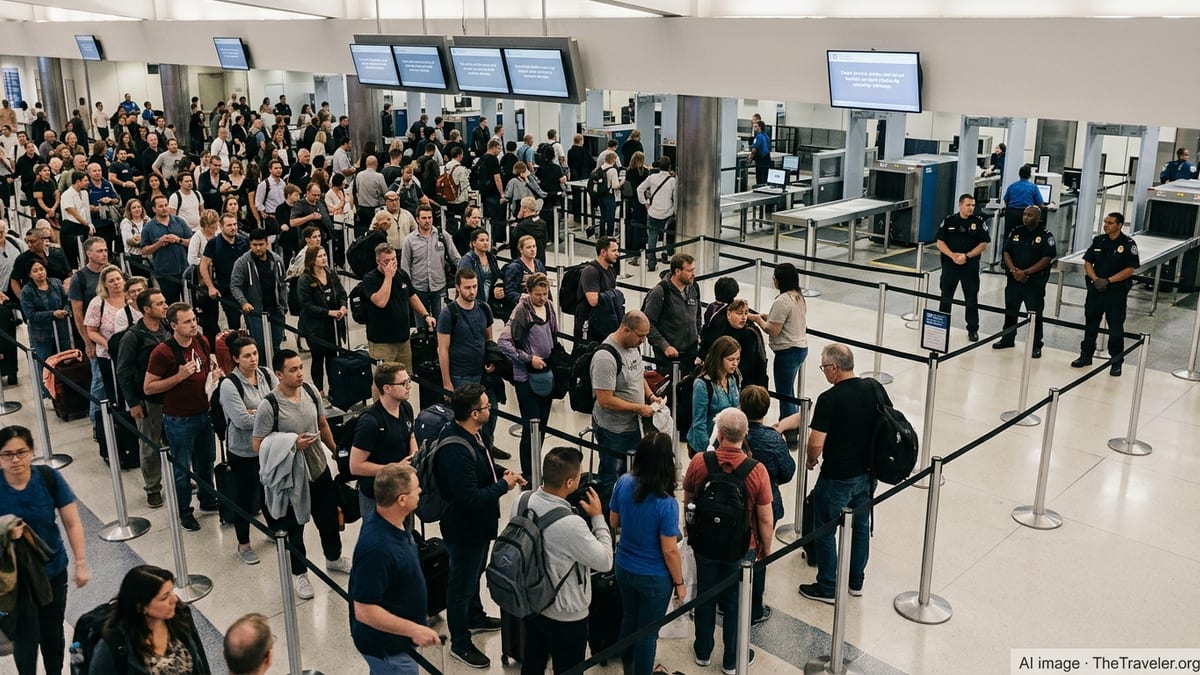
While the FCDO focuses on safety in Spanish resort areas, changes at UK border controls are set to reshape the journey home. A Home Office announcement published on 14 May 2026 confirms that children aged 8 and 9 who meet certain criteria will be able to use automated passport eGates from 8 July 2026. Until now, the lower age limit has been 10, meaning many families have been split between fast eGate queues and slower staffed booths.
According to the published policy, eligible children must be at least 120 centimetres tall and travel with an accompanying adult who also uses the eGate. The change will apply at major UK airports and at juxtaposed border controls in locations such as Paris and Brussels, where UK passport checks take place before boarding. Government estimates based on 2025 arrival data suggest that around 1.5 million additional children a year could pass through the automated system once the age threshold is lowered.
Travel industry commentary notes that the shift is designed to speed up border processing at peak holiday periods, particularly during late July and August when families are returning from European breaks. By allowing younger children to join parents in the eGate lane, queues at traditional passport desks may shorten, freeing manual officers to focus more on complex cases or passengers requiring additional checks.
Airport information pages updated for summer 2026 already reflect the new rules, indicating that, from 8 July, signage and staff directions at immigration halls will be adjusted so families with eligible children can proceed together through eGates. However, the underlying passport and visa rules remain unchanged, and children must still hold valid travel documents and meet any entry requirements in force.
What Families Need to Know Before Flying to Spain
The combination of strengthened beach safety messaging and smoother border procedures is expected to shape how many British families plan their Spain holidays this year. Travel advisers suggest that parents should build time into their planning for both ends of the journey, starting with a careful review of resort information, hotel beach access and local emergency contact details before departure.
On arrival in Spain, families are encouraged to familiarise themselves with the nearest lifeguarded beach, normal flag colours in that municipality and any restrictions on swimming during particular weather patterns. Publicly available safety leaflets highlight that green flags usually indicate relatively safe conditions, yellow flags signal moderate risk and red flags mean bathing is prohibited. In practice, local rules can differ, so travellers are urged to observe how residents behave and to ask accommodation staff about any local hazards such as steep drop-offs or seasonal jellyfish problems.
For the return leg, the expanded eGate access means that families with children aged 8 and 9 can generally expect a faster exit from UK airports, provided the youngsters are tall enough for the biometric cameras and travel with an adult. However, some passengers may still be diverted from eGates for spot checks or manual inspections, and guidance notes that families should always allow sufficient time for border formalities when booking onward trains or domestic flights.
Industry analysis of recent summers suggests that improvements in automated processing can significantly reduce waiting times when flights from multiple Spanish airports arrive within a short window. With more families now funnelled through eGates, airport operators anticipate more predictable passenger flows in immigration halls, though surges are still possible after weather disruption or air traffic delays.
Balancing Convenience at the Border with Safety at the Beach
The parallel developments highlight a broader shift in how British authorities and the travel sector frame holiday risk and convenience. On one hand, the FCDO’s Spain advice underlines that most incidents in coastal areas are preventable when visitors respect warning systems, understand rip currents and moderate behaviour around alcohol and open water. On the other, the Home Office’s eGate expansion reflects an effort to make the international journey more efficient for families who travel frequently to destinations such as Spain’s Costa del Sol, the Balearic Islands and the Canary Islands.
Travel commentators point out that reduced stress at the airport may encourage more families with younger children to choose international trips, reinforcing the importance of robust safety information in resort areas. Airlines and tour operators are already promoting the eGate changes in marketing materials for late-summer packages, positioning the policy shift as a practical benefit for parents wary of long queues after evening arrivals.
At the same time, campaigners for coastal safety in Spain and the wider Mediterranean continue to call for clearer, more standardised beach signage and better education for foreign visitors. Academic studies of Spanish beach management have argued that differences in flag use, iconography and multilingual messaging can leave tourists uncertain about the level of risk, especially during shoulder seasons when lifeguard coverage may be reduced.
For UK families planning Spain breaks in July and August 2026, the overarching message is that smoother passport control on return does not change the need for vigilance by the sea. With more children travelling and using eGates alongside adults, travel specialists advise that the same attention parents give to navigating airports quickly should be applied to reading beach flags, listening to local announcements and setting clear rules for how children use the water during their stay.