


More news on this day
Lufthansa has operated its first commercial flight offering Starlink satellite internet on board, marking a significant milestone in the airline’s multi-year plan to bring high-speed, low-latency connectivity to passengers across its European and long-haul networks.
Get the latest news straight to your inbox!
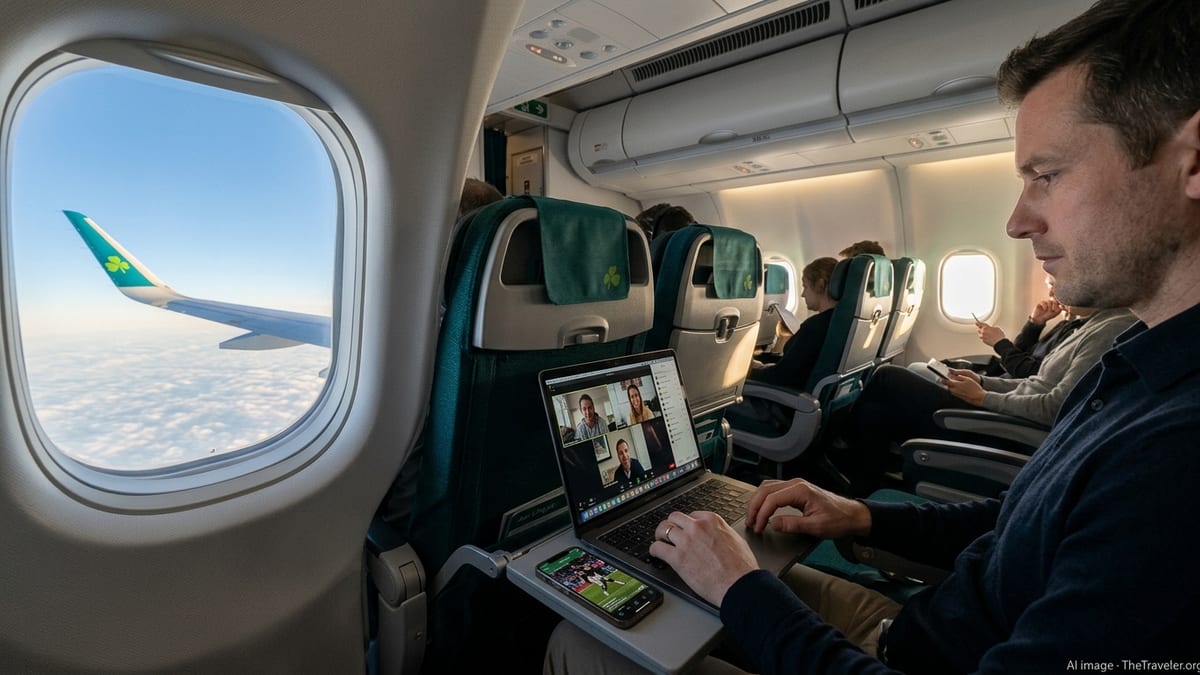
A Milestone Flight for Lufthansa and Starlink
The inaugural Starlink-equipped service operated on an Airbus A320neo, identified by Lufthansa as the first aircraft in its fleet to carry the new hardware. Publicly available information indicates that the jet, nicknamed “Freising,” is the launch platform for the technology and is now flying regular scheduled routes within Europe.
The flight represents the transition from test and certification work into live passenger service. Reports indicate that cabin and cockpit systems had already undergone extensive trials on the ground and in the air to validate antenna performance, satellite handovers and integration with the airline’s existing cabin infrastructure before the first paying customers were invited to log on.
Lufthansa Group had previously outlined plans for Starlink in early 2026, forecasting that the first aircraft would enter service with the system in the second half of the year. The inaugural flight aligns with that timeline and positions the group among the leading adopters of low Earth orbit satellite connectivity in commercial aviation.
According to published coverage, the airline intends to gradually add Starlink across its brands, including Lufthansa, Swiss and Austrian Airlines, as part of a wider digitalization push that also includes new cabins and updated in-flight entertainment platforms.
How Starlink Changes the Onboard Wi-Fi Experience
Starlink uses a constellation of low Earth orbit satellites designed to deliver lower latency and higher bandwidth than many of the geostationary-based systems that currently dominate in-flight connectivity. For passengers, this is expected to mean smoother video streaming, more reliable VPN access and faster loading times for cloud-based services compared with earlier-generation Wi-Fi.
Lufthansa’s own information describes the new product as “Lufthansa Group Wi-Fi powered by Starlink,” with the system automatically connecting to the nearest satellite while in cruise. The Airbus A320neo platform is receiving two Starlink terminals per aircraft to build in redundancy and maintain a stable connection even during challenging conditions or route changes.
Initial performance reports shared by aviation enthusiasts and technology outlets suggest that early test flights delivered speeds comparable to home broadband, with the ability to support multiple simultaneous high-data activities in the cabin. While results will vary by route and network load, the debut flight is being watched closely as an indicator of what passengers can expect once more aircraft are equipped.
The technology upgrade also reflects a shift in how airlines view onboard connectivity. Where Wi-Fi was once an optional paid extra, Lufthansa is positioning high-speed internet as a core part of the travel experience, designed to support both leisure streaming and productivity for business travelers.
Free Connectivity as a Competitive Differentiator
One of the most striking aspects of Lufthansa’s Starlink rollout is the pricing model. Publicly available information shows that the group plans to offer the new Wi-Fi service free of charge to passengers who log in with a Lufthansa Travel ID or a Miles & More frequent flyer number, across all travel classes.
That approach aligns Lufthansa with a growing number of carriers using free Wi-Fi as a competitive differentiator, particularly on shorter flights where passengers increasingly expect constant connectivity similar to that on trains or at home. For an airline group with hundreds of aircraft, the decision represents a substantial investment aimed at strengthening customer loyalty and closing the gap with rivals that have already upgraded their onboard internet.
The first Starlink-equipped flight is expected to be followed by a gradual ramp-up as additional A320neo aircraft enter service with the system installed, and as retrofit work begins on existing jets. Industry analyses suggest that the full program will involve several years of installations and could eventually extend to long-haul widebodies, where passengers often spend ten hours or more online.
Analysts note that offering free, high-capacity connectivity may also open up new revenue streams beyond direct access charges, including e-commerce, targeted content partnerships and richer integration between mobile apps and the onboard experience.
From Early Internet Pioneer to New-Generation Connectivity
Lufthansa’s first Starlink flight also carries symbolic weight for an airline that has a long history with in-flight internet. Two decades ago, the German carrier was among the pioneers of broadband connectivity through the Connexion by Boeing program, which introduced Wi-Fi on transoceanic flights long before smartphones became ubiquitous.
That early system was eventually discontinued, and Lufthansa later relaunched its FlyNet service based on more traditional satellite solutions. Over time, passenger expectations rose and competitive offerings improved, prompting calls from frequent flyers for faster, more reliable and more affordable connections.
The move to Starlink can be seen as a return to the leading edge of inflight connectivity, this time leveraging a dense constellation of low Earth orbit satellites instead of a smaller number of geostationary platforms. Industry observers point out that the airline’s experience with multiple generations of Wi-Fi technology may have informed its requirements for the new system, including coverage over key long-haul corridors and resilience in congested airspace.
With the inaugural Starlink flight now complete, Lufthansa’s connectivity strategy is once again in the spotlight, both among travelers who remember the early days of Connexion and among a new generation of passengers for whom continuous, high-speed internet access feels non-negotiable.
What Passengers Can Expect Next
In the near term, Starlink connectivity will be available only on a limited number of Lufthansa flights as more aircraft are outfitted and enter rotation. The airline’s online information indicates that a dedicated search function will be added to its digital channels so customers can identify Starlink-equipped services when planning their trips.
Onboard, passengers will see the service branded as Lufthansa Group Wi-Fi. Logging in requires a Lufthansa Travel ID or Miles & More account, a step that encourages repeat use and allows the group to integrate connectivity with its broader digital ecosystem, including mobile boarding passes, booking management and personalized offers.
Industry coverage suggests that the wider Lufthansa Group intends to equip several hundred aircraft with Starlink by the end of the decade, including both new deliveries and retrofitted jets. Each installation is a multi-day project involving structural modifications for the radome, cabling, avionics integration and extensive testing before the aircraft returns to service.
For now, the first commercial flight with Starlink onboard serves as a high-visibility demonstration of what the future of flying in Europe could look like: gate-to-gate connectivity that more closely mirrors the experience on the ground, offered as a standard feature rather than a premium add-on. As additional airlines in the region prepare similar upgrades, Lufthansa’s early move with its launch flight is likely to influence passenger expectations far beyond its own network.