


More news on this day
Severe summer storms sweeping across the U.S. Northeast are prompting American Airlines, Delta Air Lines, and United Airlines to update travel advisories, expand weather waivers, and urge customers to review itineraries as operations at major airports face renewed disruption.
Get the latest news straight to your inbox!
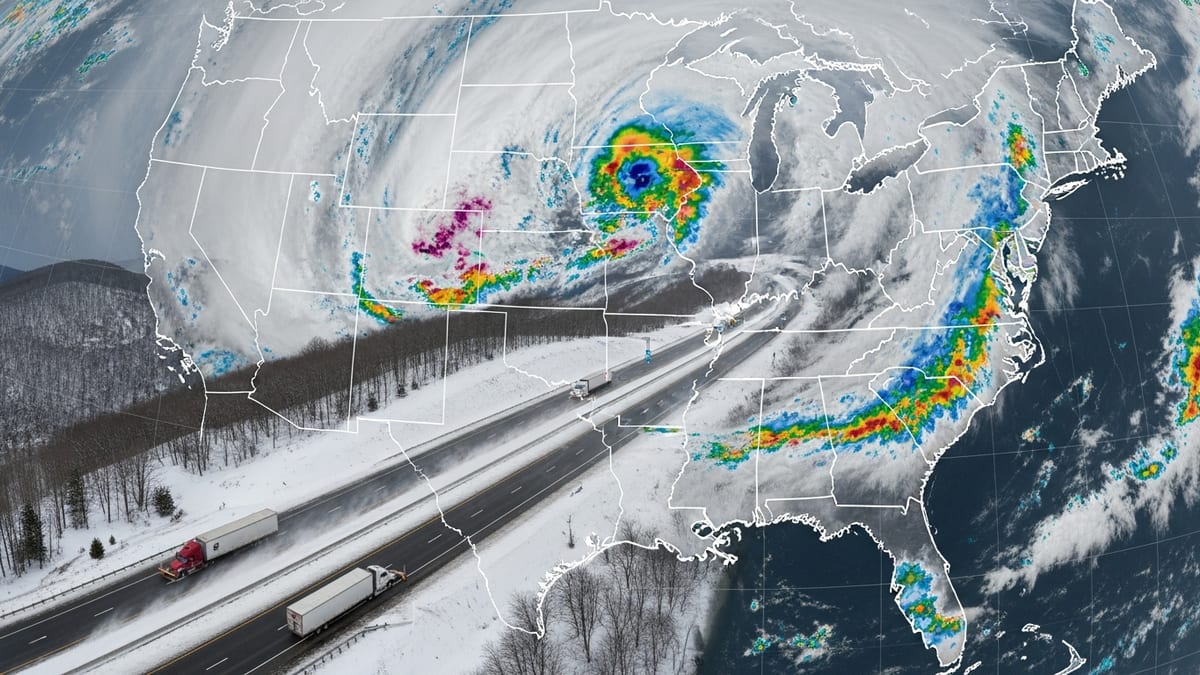
Storm System Disrupts Major Northeast Hubs
A sequence of strong thunderstorms and heavy rain across the Northeast is leading to delays and cancellations at some of the region’s busiest airports, including New York’s John F. Kennedy, LaGuardia, and Newark, as well as Boston and Philadelphia. Publicly available weather and aviation data for August 20 indicate unstable conditions, with repeated rounds of storms moving through the I‑95 corridor and triggering flow restrictions in already congested airspace.
Operations at these hubs are particularly vulnerable when convective weather develops along key approach and departure paths. Even short‑lived but intense cells can force traffic management initiatives that reduce the number of takeoffs and landings per hour. Industry coverage describes this month as one of the more challenging recent summer periods for irregular operations in the Northeast, with rolling delays often cascading across airline networks.
The current pattern is typical of late‑summer in the region, but the scale and timing of storms have increased the need for proactive planning. As thunderstorms flare during peak afternoon and evening travel periods, flights can quickly back up, leading carriers to adjust schedules in advance and issue targeted waivers for affected dates and airports.
Delta Expands SkyWatch Advisories and Waiver Options
Delta Air Lines has refreshed its SkyWatch weather advisory system to highlight what it describes in public guidance as “summer weather” impacts across a cluster of Northeast airports. The latest advisory, updated on August 19, calls out potential disruptions for itineraries touching Boston, Washington‑area airports, New York‑area airports, Baltimore, and Philadelphia, noting that storms may affect flights to, from, or through these cities over several days.
According to Delta’s published information, customers whose travel falls within specified dates and city pairs may qualify for a weather waiver that allows one‑time changes without a change fee, and in many cases without a fare difference, if rebooked travel occurs within the defined waiver window and in the same cabin of service. The airline’s advisory materials emphasize that eligibility varies by event and that travelers should confirm whether their ticket number, origin, destination, and travel dates align with the latest notice.
Reports from recent weeks show that Delta has been issuing advance notifications through its app, email, and text messaging when waivers open for Northeast thunderstorms. Travelers describe receiving alerts for New York‑area and broader Northeast events, sometimes days ahead of the worst weather, signaling a strategy focused on encouraging voluntary rebooking to spread demand away from peak disruption periods.
Delta’s operational guidance also points customers to digital tools as a first step, including self‑service rebooking in its app and on its website. However, accounts from passengers suggest that when flights are heavily booked or complex itineraries are involved, resolving schedule changes can still require working with an agent, particularly when trying to maintain connections or coordinate travel for multiple passengers on the same reservation.
United Issues New Travel Waiver for East Coast Thunderstorms
United Airlines has published a fresh travel waiver tied to East Coast thunderstorms, covering flights on United and United Express between August 19 and August 23. The waiver, highlighted in consumer‑facing coverage on August 20, applies to select itineraries involving airports along the Eastern Seaboard, including key Northeast hubs where storms and air traffic control programs are constraining capacity.
Under the terms publicly described, customers with qualifying tickets can change to another United or United Express flight departing within the specified window without incurring additional change fees, provided they travel between eligible dates and remain in the same cabin and routing parameters defined by the waiver. Any shifts outside that window or substantial changes to itineraries may still trigger a fare difference, reflecting industry‑standard practice for weather‑related flexibility.
Travelers who monitor United’s advisories site and mobile app have pointed out that the carrier has rolled out several similar waivers in recent weeks for thunderstorms in the New York area and other East Coast cities. These notices typically outline impacted travel dates, the airports included, and deadlines by which rebooked travel must occur in order for the fare difference to be waived.
United’s approach aligns with a broader strategy seen across the industry during peak summer storm season: publish narrowly tailored waivers tied to specific weather events, then update or expand them as forecast confidence increases. This method allows the airline to balance operational flexibility with the need to keep passengers informed about their options ahead of time.
American Airlines Updates Northeast Travel Alerts
American Airlines is also adjusting its travel advisories in response to the severe weather pattern in the Northeast. While the carrier’s alerts page frequently aggregates multiple events ranging from thunderstorms to tropical systems, current notices reference convective activity affecting key hubs and focus cities along the Eastern Seaboard, including airports where American maintains a significant presence and connecting traffic flows through the region.
American’s publicly available guidance typically directs travelers to check the latest advisory for their origin and destination, as eligibility for weather waivers depends on the exact city pair and ticketed travel dates. In line with policies outlined by major U.S. airlines, American generally allows one‑time changes for customers whose flights are covered by an active weather alert, offering the option to move to another flight within a prescribed window without change fees.
Industry analyses of American’s operations this summer point to recurring pressure on schedules in and out of the Northeast, particularly when storms develop during busy afternoon and evening banks. To manage demand, the airline has been deploying schedule adjustments, upgauging select flights, and relying on its advisory system to encourage customers with flexible plans to shift to earlier or later departures that may be less affected by weather‑driven ground stops or flow programs.
Passengers are being urged through public messaging to use the airline’s app or website to confirm whether their flights are operating as planned, to sign up for real‑time alerts, and to monitor gate information closely. Given how quickly weather conditions can change in the Northeast, same‑day schedule shifts remain possible even when a flight appears on time earlier in the day.
What Northeast Travelers Should Do Now
With American, Delta, and United all updating travel advisories in response to the latest round of storms, travelers heading to or from the Northeast over the next several days are being encouraged by publicly available guidance to adopt a more hands‑on approach to managing their trips. That includes repeatedly checking flight status, confirming whether a weather waiver applies to their itinerary, and considering proactive rebooking to flights earlier in the day, when afternoon thunderstorm risks may be lower.
Consumer advocates and travel analysts note that weather waivers can offer meaningful flexibility, but only if passengers understand the specific conditions they must meet. These commonly include traveling within a certain date range, keeping the same origin and destination, and selecting an alternative flight within the airline’s defined rebooking window. Failure to adhere to the terms can result in unexpected fare differences or limited availability, especially during peak travel periods.
For those already at the airport when storms roll in, the practical impact can range from moderate delays to prolonged disruptions as aircraft and crews fall out of position. Recent accounts from Northeast travelers describe crowded terminals, long customer service lines, and late‑night gate holds when storms triggered runway closures and power issues at some facilities. Travel experts therefore recommend carrying essential items in a small carry‑on, planning for possible extended stays at the airport, and keeping accommodation and ground transport options in mind if an overnight interruption becomes unavoidable.
As the current storm pattern continues to evolve, additional advisory updates from American Airlines, Delta Air Lines, and United Airlines remain possible. Travelers with upcoming itineraries through the Northeast are advised, based on current public guidance, to check airline advisory pages and weather forecasts frequently, and to act quickly if a waiver becomes available that could move their travel away from anticipated peak storm periods.