


More news on this day
With visitor numbers at marquee US national parks climbing into the hundreds of millions each year, a growing number of travelers are seeking out quieter escapes in lesser-known parks that offer similar mountain vistas, canyons, waterfalls, and dark skies without the gridlocked roads and packed trailheads.
Get the latest news straight to your inbox!
Rising Crowds Push Travelers to Look Beyond the Big 63
National Park Service data for 2024 and 2025 show visitation across the park system holding near record highs, with just a handful of famous parks absorbing a large share of those trips. Great Smoky Mountains, for example, again topped national visitation with more than 12 million annual recreation visits, highlighting how a small number of destinations can feel increasingly congested during peak seasons.
Travel coverage from outlets focused on outdoor recreation notes that this concentration leaves many other public lands comparatively quiet, including less-visited national parks and extensive state park networks. Reports indicate that some of the least visited national parks now receive a fraction of the foot traffic seen in marquee destinations, even at the height of summer.
At the same time, travel guides and tourism boards are promoting alternative sites that mirror the scenery of headline parks. These suggestions often point to state and regional parks located in the same landscapes as famous national parks, but with fewer tour buses, more flexible reservation systems, and lower daily fees.
The result is a shifting map of US nature tourism in which once-overlooked parks are gaining attention as travelers aim to balance crowd-free experiences with the need to plan around wildfires, extreme weather, and capacity limits in heavily trafficked destinations.
State Parks Step In as Quieter Alternatives
Publicly available information shows that the United States has more than 6,000 state parks covering roughly 14 million acres, a land base that rivals the national park system in size and geographic variety. While these parks rarely appear on bucket lists in the same way as Yellowstone or Yosemite, many offer similar experiences for hiking, paddling, and wildlife watching.
Travel publications over the past year have spotlighted a wave of underrated state parks framed explicitly as alternatives to crowded national parks. One National Geographic feature identified eight such parks, from the Texas Panhandle to the Great Lakes region, noting that they deliver canyon views, alpine forests, and sweeping desert scenery without the long entrance lines that now characterize some federal sites during summer.
Other outlets, including AFAR and major review platforms, have underscored that state parks tend to be easier to book on short notice, with more day-use parking available and fewer complex permit systems. That has made them especially appealing for travelers planning regional road trips or last-minute weekend escapes who find that national park campgrounds and lodges are already sold out.
This rebalancing has also been encouraged by local tourism offices and outdoor retailers, which increasingly publish itineraries that pair one iconic national park with several neighboring state or county parks, encouraging visitors to disperse their time and spending across a wider area.
Scenic Highlights From Coast to Coast
Across the country, a cluster of specific parks has emerged in recent coverage as emblematic of the new, quieter alternative. In the northern Appalachians, West Virginia’s Blackwater Falls State Park and neighboring highland parks are frequently cited as ways to experience waterfalls, gorges, and fall foliage without the intense congestion found along some stretches of the Blue Ridge Parkway.
In the northern Plains and upper Midwest, travel features have pointed to Minnesota and Wisconsin state parks along Lake Superior, where basalt cliffs, pebble beaches, and boreal forest lines echo the coastal scenery of better-known national shorelines. Articles on underrated Minnesota parks, for example, highlight Sibley State Park’s rolling hills and lake views as a less crowded counterpart to the more heavily visited North Shore destinations.
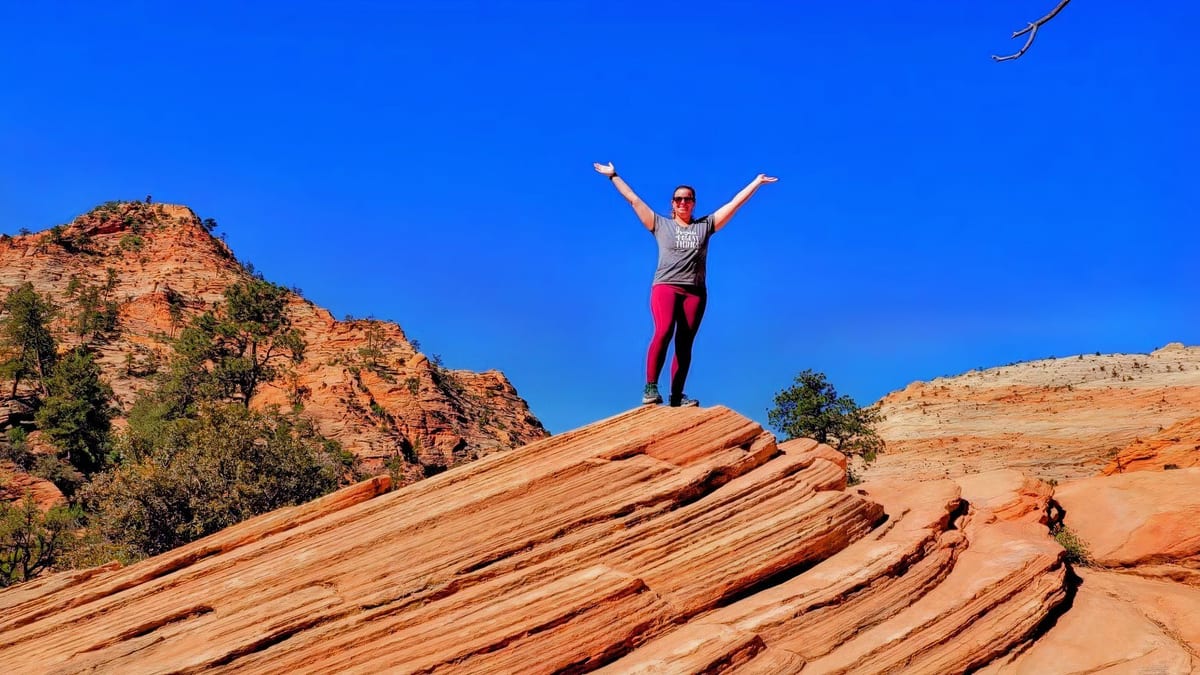
Farther west, guides reference Texas’s Palo Duro Canyon State Park as a quieter stand-in for the red-rock canyons that draw millions of visitors to the national parks of Utah and Arizona. The park’s network of trails and campsites on the canyon floor has been described as a way to wake up amid layered cliffs without the need for months-ahead reservations.
In the Rockies, several state parks in Colorado and Wyoming sit just outside national park boundaries yet see significantly fewer visitors. Online trip reports often point out that these parks share wildlife corridors and high-country lakes with adjacent federal lands, giving travelers access to similar alpine scenery on routes where they are more likely to encounter elk and marmots than traffic jams.
Dark Skies and Shoulder Seasons Expand the Appeal
Another factor driving interest in underrated US parks is the growth of dark-sky tourism. DarkSky International and affiliated groups have expanded their list of certified Dark Sky Parks in recent years, and a notable share of new designations has gone to state parks in rural areas. Recent examples include Sinks Canyon State Park in Wyoming, which gained international dark-sky recognition in late 2024, adding stargazing to its canyon hiking and climbing appeal.
These certifications require careful lighting management and community planning, helping ensure that visitors encounter bright stars, visible Milky Way bands, and minimal artificial glare. As more well-known desert national parks grapple with growing night-time traffic and illuminated infrastructure, visitors seeking truly dark skies are increasingly looking to smaller parks that can regulate lighting and nighttime use more tightly.
Shoulder seasons are also playing a larger role in how travelers experience underrated parks. Travel industry reports for 2024 and 2025 describe a steady shift toward spring and autumn trips, both to avoid heat waves and to sidestep overcrowding during traditional summer vacation periods. Less-famous parks benefit from this trend by offering open campsites and quieter trails well into October in many regions.
Some regional park agencies have responded with new fall festivals, ranger-led astronomy programs, and off-peak lodging discounts, broadening the reasons to visit at times when national parks may still be operating at or near capacity.
Planning Considerations for Crowd-Free Nature Trips
For travelers considering a pivot toward underrated US parks, planning strategies now look somewhat different from the era when a single marquee destination might anchor a long-haul trip. Travel editors and guidebook authors recommend building flexible itineraries that combine one well-known national park with several nearby state and regional parks, allowing visitors to adjust day by day based on traffic, weather, and wildfire conditions.
Publicly available information from state park systems indicates that day-use fees and campsite prices are often lower than at federal sites, although services may be more limited. Visitors are encouraged to check park agency websites for seasonal closures, burn bans, and local regulations before arrival, since staffing, reservation systems, and online maps can vary widely between states.
Safety guidance from outdoor organizations also stresses that less crowded does not mean less demanding. Many underrated parks involve rugged backcountry, limited cell coverage, and sparse signage, so travelers are urged to prepare with detailed maps, extra water, and realistic assessments of driving times on rural roads.
As peak-season congestion continues at the most iconic US national parks, these quieter destinations are positioned to absorb more of the demand for scenic escapes. For visitors willing to look beyond the familiar list of 63 national parks, the payoff can be open viewpoints, star-filled skies, and the chance to experience some of America’s most striking landscapes with only the wind and wildlife for company.