


More news on this day
A routine United Airlines domestic service turned into a frightening mid-air emergency when a Boeing 737 MAX 9 diverted to Albuquerque following a reported terror-related scare, snarling flight schedules across the United States and thrusting the controversial MAX family back into the spotlight.
Get the latest news straight to your inbox!
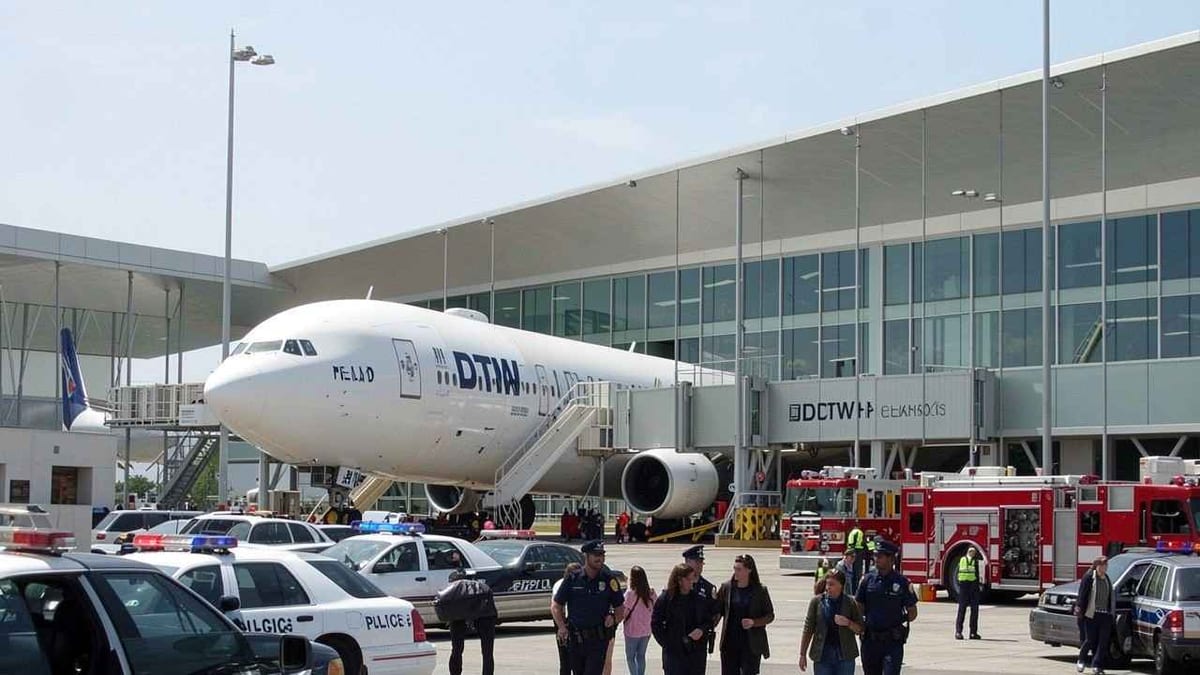
Sudden Diversion Over the Southwest
According to publicly available flight-tracking data and airline status feeds, the United Airlines Boeing 737 MAX 9 was operating a scheduled domestic route on June 12 when the aircraft abruptly changed course over the American Southwest and began a descent toward Albuquerque International Sunport. Data indicate the jet had been cruising at typical mid-30,000-foot altitudes before the diversion began.
Initial reporting from mainstream aviation and travel outlets describes the event as a mid-air terror scare, with early accounts suggesting a serious onboard security concern that required an immediate change of destination. While formal investigative details have not yet been widely disseminated, the diversion pattern and priority landing sequence mirror previous high-risk security events where crew members sought the nearest suitable airport.
Publicly accessible arrival boards in Albuquerque showed an unscheduled United Airlines MAX 9 arrival in the early afternoon, followed by a cascade of status changes on related departures and connections. Social media posts from travelers at multiple hubs later in the day described widespread gate changes, rolling delays, and missed connections linked to the diverted aircraft and subsequent aircraft repositioning.
By the end of the day, national flight-monitoring dashboards were indicating elevated disruption levels across the United network, with the unexpected loss of a single narrow-body jet reverberating through already tight summer schedules.
Passenger Fear Onboard a Boeing 737 MAX 9
Accounts compiled from passenger posts and secondary reporting depict a cabin atmosphere that shifted rapidly from routine to tense as the aircraft began its unplanned descent. Several travelers described feeling the engines spool back and the aircraft bank noticeably, followed by announcements advising passengers to remain seated and comply with crew instructions as the flight diverted.
The Boeing 737 MAX 9, a stretched variant of the MAX family, has been under intense public scrutiny since the global grounding of the type in 2019 and a renewed wave of concern after a separate airline’s MAX 9 suffered a structural failure in early 2024. Against that backdrop, any mid-air emergency involving this model tends to generate heightened anxiety among travelers, even when the issue is unrelated to design or maintenance.
Early information circulating among passengers and observers suggested that the primary concern on this flight was security related rather than a mechanical failure. Nonetheless, the combination of the MAX designation, a rapid descent, and the phrase “terror scare” in emerging coverage created a sense of alarm that extended far beyond those actually on board.
As of the latest publicly available updates late on June 12, there were no widely reported serious injuries among passengers or crew, and there was no confirmed evidence of structural damage to the airframe, based on preliminary fleet tracking and subsequent operational assignments.
Albuquerque Becomes an Emergency Focal Point
Albuquerque International Sunport, typically a mid-sized regional and connecting hub, suddenly became the focal point of national aviation attention. Flight boards captured the unexpected arrival of the incoming United MAX 9, while subsequent departures involving other carriers experienced brief knock-on delays as ground resources and ramp space were reallocated.
Publicly available information from airport operations feeds showed short-term congestion around the time of the diversion, similar to patterns observed when medical emergencies or disruptive passengers prompt an unscheduled arrival. Nearby taxiway activity and turnaround times for other flights appeared to lengthen slightly as ground handlers accommodated the priority arrival and its passengers.
Observers following live tracking platforms noted that the diverted aircraft remained on the ground for an extended period after landing, consistent with standard security protocols where passengers are deplaned, baggage is removed for screening, and the aircraft is inspected before any decision is made about returning it to service. There were no immediate indications in public fleet data that the jet re-entered revenue service later in the same operating day.
For travelers attempting to connect through other hubs, the disruption originating in Albuquerque translated into missed onward flights, rebookings, and overnight stays, particularly for those aiming to reach smaller regional destinations already constrained by limited frequencies.
Network Ripple Effects and Summer Travel Strain
Although the incident centered on a single aircraft, the operational consequences were magnified by the broader context of a tightly stretched U.S. airline system. Government consumer reports released this month highlight rising complaint levels about delays and cancellations in the early 2026 travel season, reflecting limited spare capacity and high load factors on many routes.
When a narrow-body workhorse such as a Boeing 737 MAX 9 suddenly exits its planned rotation, the impact cascades quickly. Aircraft scheduled for later segments must be swapped or canceled, crews can time out under duty rules, and gate availability at key hubs is thrown off. On June 12, public departure feeds at major United stations showed clusters of delays that tracked closely with the timing of the Albuquerque diversion.
Travelers reported scrambled rebookings onto later departures or alternative routings, with some being shifted onto partner airlines or rerouted through secondary hubs. In several cases, overnight accommodations became necessary where last flights of the evening were missed. Ancillary disruptions, such as late-arriving baggage and missed cruise or tour departures, were also noted among affected passengers.
Industry analysts observing the episode emphasized that while diversions for security or safety reasons remain rare relative to daily flight volumes, their timing in peak season can aggravate an already fragile network, particularly on days when weather or air traffic control programs are also constraining capacity.
Renewed Scrutiny of Boeing 737 MAX Safety and Security
The Albuquerque diversion adds to a growing list of high-profile incidents involving Boeing 737 variants that have captured public attention in recent months, even when they are unrelated in cause. Earlier events involving cracked windscreens, attempted door openings, and mechanical returns to departure airports on different carriers and models have kept the 737 family in the headlines.
Publicly available safety data continues to show commercial jet travel in the United States as extraordinarily safe by historical standards, with fatal accidents remaining exceedingly rare. However, a series of non-fatal but dramatic in-flight events has intensified debate over MAX-era oversight, quality control, and the preparedness of cabin crews to handle unpredictable security situations at altitude.
Industry observers note that each new incident involving a MAX aircraft, regardless of root cause, tends to reignite questions about whether regulators and manufacturers have done enough to restore public confidence. The Albuquerque event fits that pattern, combining an alarming onboard scare with imagery of an emergency diversion and a widely recognized aircraft type that already carries a reputational burden.
In the coming days, additional information from formal investigative channels is expected to clarify the specific sequence of events and any alleged actions by individuals on board. For now, the diversion of a United Airlines Boeing 737 MAX 9 to Albuquerque stands as another unsettling entry in a turbulent era for both the airline and the aircraft family, while travelers and industry stakeholders look for reassurance that security, training, and oversight are keeping pace with the relentless growth in air traffic.