


More news on this day
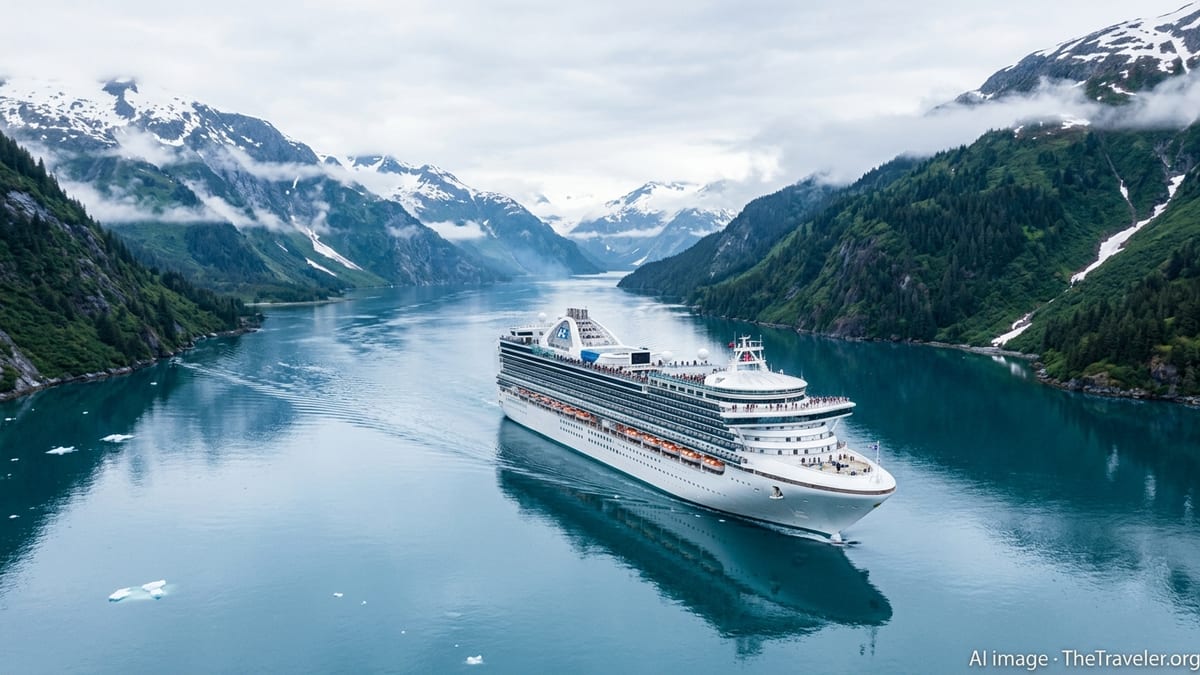
Princess Cruises is marking 25 years since one of its ships first connected to Juneau’s hydroelectric shore power system in 2001, a move widely viewed as a turning point in efforts to cut cruise-ship emissions in Alaska’s capital and beyond.
Get the latest news straight to your inbox!
A Quarter Century Since a First-of-Its-Kind Plug-In
According to recent company announcements and industry coverage, Princess Cruises first linked a vessel to Juneau’s shore power infrastructure in the summer of 2001, making the line an early adopter of the technology for large cruise ships. The milestone being celebrated this year marks 25 years of those operations, placing Juneau among the pioneers of cruise electrification.
Shore power allows a ship to shut down its diesel generators while in port and instead draw electricity from the local grid. In Juneau, that power is primarily hydroelectric, meaning vessels can significantly reduce greenhouse gas emissions and local air pollutants during their stays. Publicly available information indicates that for visiting cruise ships, time spent alongside the pier can amount to many hours of auxiliary engine use on a typical port call.
Industry reports describe Juneau’s installation as distinctive for its engineering, including a gantry system that suspends heavy electrical cables so they can accommodate the city’s large tidal swings while remaining resilient in winter conditions. The system was developed through collaboration among Princess Cruises, the City and Borough of Juneau, and Alaska Electric Light & Power, illustrating how cruise lines and local utilities have worked together to make the technology viable in an exposed coastal setting.
Over the years, the infrastructure at Juneau’s Franklin Dock has supported multiple Princess ships, as well as other vessels equipped to plug in. The 25-year anniversary highlights the longevity of the original investment and the way it has become a routine part of port calls rather than a one-off experiment.
From Juneau Pilot Project to Global Cruise Trend
Coverage from ports and cruise industry publications frequently points to Juneau’s early shore power system as a catalyst for similar projects across North America and elsewhere. After the Juneau installation entered service in 2001, other ports followed, including Seattle, Vancouver, San Diego, San Francisco, Los Angeles, Halifax, and New York, alongside international locations such as Shanghai and select European ports.
Princess Cruises’ Juneau experience is often cited as a reference point when new terminals evaluate how to design, finance, and operate ship-to-shore connections. Technical lessons from Alaska about cable handling, grid stability, and coordinating power needs between ship and shore have been incorporated into newer facilities that serve a broad mix of cruise lines.
Port authority documents and historical summaries note that by the mid-2000s, shore power was transitioning from a niche experiment to a recognized emissions-reduction tool for cruise hubs. In several cities, Princess ships were among the first to plug in once local systems were commissioned, helping ports test compatibility and operating procedures.
This expansion has taken place alongside broader climate and air quality initiatives at major cruise gateways. In several jurisdictions, shore power availability is now referenced in regional clean air strategies, and electrified berths are promoted as part of a wider shift toward lower-emission maritime operations.
Environmental and Community Benefits in Alaska’s Capital
Publicly available environmental assessments and port planning documents emphasize that Juneau’s shore power capability is intended to deliver benefits both for residents and for visitors. By transferring a ship’s energy demand from onboard diesel generators to hydroelectric power, local air emissions such as nitrogen oxides and particulate matter can be reduced in and around the harbor.
These gains are particularly relevant in a community where cruise tourism is concentrated into a relatively short summer season and where multiple large vessels may be in port at the same time. While Juneau has also explored daily limits on cruise calls and other visitor management tools, shore power is presented as one of the key technical measures for lessening the environmental footprint of ships that do arrive.
Industry analyses suggest that shore power can also lessen noise and vibration associated with running auxiliary engines at berth, potentially improving the experience for passengers on board and for those spending time on the waterfront. The technology does not address all impacts associated with cruise tourism, but for many stakeholders it has become a visible symbol of efforts to operate more responsibly in a sensitive coastal setting.
As more cruise lines fit their fleets with compatible electrical systems, utilization rates at shore power–equipped berths are expected to remain high. Juneau’s early move, now in its 25th year, positions the port as an established stop for ships that are configured to plug in as part of their standard operating procedures.
Shore Power as a Pillar of Cruise Decarbonization
In recent years, shore power has taken on greater prominence within broader cruise decarbonization strategies. Alongside alternative fuels, efficiency upgrades, and emerging technologies such as onboard batteries, plugging in at port is seen as one of the most immediately deployable ways to cut emissions where local grids are relatively low carbon.
Energy studies and port sustainability reports indicate that the climate benefit of shore power varies by location, depending on how electricity is generated. In Juneau’s case, the heavy reliance on hydropower increases the emissions savings compared with ports that still depend heavily on fossil-fuel generation. The Alaska experience is therefore frequently referenced in discussions about how to prioritize investments and where the greatest reductions can be achieved.
Cruise itineraries to Alaska have grown more diverse since 2001, with newer and larger ships sailing longer seasons. Many of those vessels are built or retrofitted with shore power capability, partly in expectation of connecting in ports like Juneau. As that hardware becomes standard on modern cruise ships, the original Juneau installation continues to serve as proof that the concept can be scaled and sustained over decades.
Analysts following the sector note that while shore power requires substantial upfront spending by both ports and cruise operators, it aligns with tightening regulatory expectations and demand from travelers who are increasingly attentive to the environmental performance of their vacations.
Looking Ahead to the Next 25 Years
As Princess Cruises highlights the 25-year anniversary of Juneau shore power, attention is turning to what the next quarter century might hold. Port planning documents and corporate sustainability roadmaps point toward continued electrification of cruise berths, integration with renewable energy projects, and potential coordination with new technologies such as onboard battery systems that could smooth power draws when ships connect.
Some ports are already setting timelines for requiring most or all cruise ships to plug in when facilities are available, effectively making shore power standard practice rather than an optional feature. Juneau’s long-running program gives policymakers and engineers two and a half decades of operational data to draw on as they consider similar mandates.
For communities along popular cruise routes, the Juneau milestone underscores how infrastructure decisions made in the early 2000s continue to shape today’s tourism landscape. The decision to invest in ship-to-shore connections has helped align economic benefits from cruise visits with local expectations for cleaner air and reduced waterfront impacts.
With more new vessels entering service that are capable of connecting at the pier, Juneau’s pioneering system appears likely to remain a central piece of Alaska’s cruise story, serving as both a technical platform and a symbolic reminder of how early innovation can influence an entire global industry.