


More news on this day
Australian travellers are being urged to treat overseas trips as less predictable than before, as new official advisories highlight fast-changing security risks, sudden border disruptions and the limits of consular help when things go wrong abroad.
Get the latest news straight to your inbox!
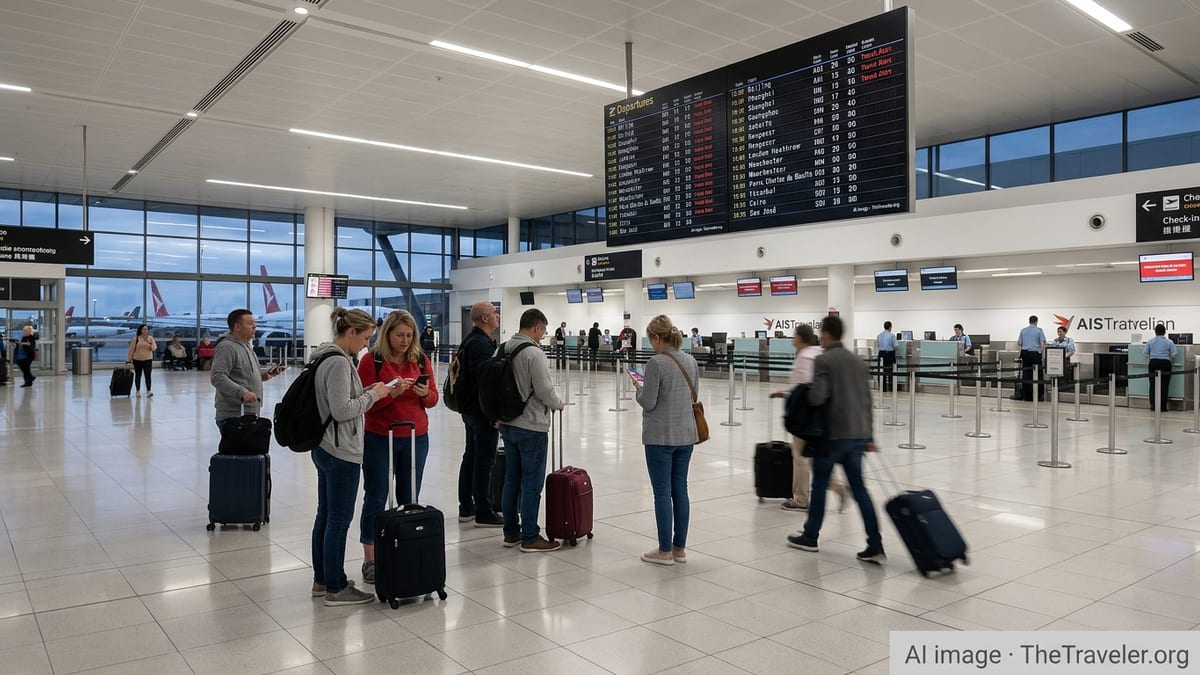
Middle East conflict drives global security concerns
Updated Australian travel advisories highlight that the security impact of ongoing conflict in the Middle East is no longer confined to the immediate region, with guidance noting that the global situation remains unpredictable and may affect air routes, transit hubs and travel plans far from the front lines.
Recent Smartraveller updates state that military activity and retaliatory attacks linked to the conflict could lead to sudden changes in security conditions, including in parts of Europe and key aviation corridors. Travellers are encouraged to closely monitor news from both their destination and any transit points, and to be prepared for schedule changes or rerouting at short notice.
The timing is significant for Australians planning winter escapes to the European summer or popular stopover destinations. Publicly available information indicates that some carriers have already adjusted flight paths and timetables in response to elevated regional risks, raising the prospect of longer travel times and unexpected overnight stays.
Travel experts cited in domestic coverage note that while the overall likelihood of being directly affected by a security incident remains relatively low, the wider knock-on effects of conflict, from airport disruptions to insurance complications, are becoming a more prominent factor in trip planning.
New warning language on volatility and personal responsibility
Current Australian government advice stresses that conditions in many destinations can change with little or no warning, using language that points to a more volatile travel environment and a greater onus on individuals to make informed decisions before departure.
The Smartraveller system continues to rely on four advisory levels, from routine precautions to “do not travel,” but recent communications emphasise that even destinations at the lower end of that scale can present higher or different risks than those typically found in a major Australian city. Travellers are urged to read the full country advice for every stop on their itinerary, not just the final destination.
Analysis by consumer groups and academic commentators suggests many Australians still underestimate how limited consular assistance can be if they ignore higher-level warnings or travel to countries with active conflict, civil unrest or weak health systems. Reports indicate that in some cases, insurers are also tightening coverage where official alerts are in place.
The latest messaging is framed around personal responsibility and realistic expectations. Travellers are encouraged to ensure they have comprehensive insurance, a financial buffer for emergencies, and a clear understanding that the government cannot always intervene in local legal matters, evacuations or medical evacuations, particularly in high-risk areas.
European entry changes and airport delays add new uncertainty
Beyond security issues, operational and regulatory changes are adding another layer of unpredictability for Australians heading abroad, particularly to Europe. Recent updates highlight that new digital border systems and biometric checks are already contributing to congestion at some major airports.
Published coverage notes that trial phases of Europe’s upcoming entry and exit systems have caused longer queues and processing times for non-European Union travellers, including Australians. While authorities are working to streamline procedures, there is concern that peak summer periods could see significant delays as airlines, airports and border agencies adjust.
Australian travel advisories now recommend that passengers allow extra time for connections, especially when transferring through large hubs where missed flights can be difficult to rebook during busy seasons. Travellers are also advised to keep a close eye on airline notifications, as timetable changes and equipment swaps are likely to remain common.
Consumer advocates stress that flexible bookings, clear documentation of rights under airline contracts and awareness of local passenger compensation regimes can help travellers better manage unexpected disruptions, though reimbursement rules vary widely between jurisdictions.
Cyber risks and new alert systems for Australians on the move
Security concerns for Australians travelling abroad are no longer limited to physical safety or geopolitics. Guidance from the Australian Cyber Security Centre warns that travellers may be more vulnerable to cyber attacks when using unsecured Wi-Fi networks, shared devices or unfamiliar apps overseas.
Cyber authorities recommend that Australians use strong, unique passwords, avoid online banking or sensitive work on public networks, and consider virtual private network services when connecting via hotel or airport Wi-Fi. Travellers handling business or government information are urged to take additional precautions, including using loan devices configured specifically for travel.
At the same time, a new domestic national warning system known as AusAlert is being prepared for rollout, aimed at sending location-based emergency messages to mobile phones within Australia. While this system is primarily focused on domestic emergencies such as bushfires and severe weather, information for visitors indicates that overseas travellers in Australia may also receive alerts on their devices if they are in an affected area.
The development of such systems reflects a broader global move toward real-time, phone-based public warnings. For Australians heading abroad, this trend means it is increasingly important to keep roaming activated where possible, maintain updated contact details with airlines and tour operators, and pay attention to any local alert technologies used in their destination country.
Insurance gaps and financial shocks when plans change
As travel risks become more unpredictable, financial exposure is emerging as a central concern. Recent analysis by Australian consumer organisation Choice highlights that buying travel insurance after a crisis or natural disaster has already been widely reported can leave travellers without cover for that particular event.
Insurers commonly treat widely publicised events, such as volcanic eruptions, major storms or declared security incidents, as “known events,” which may be excluded from new policies or subject to restricted coverage. Travellers who purchase policies after such developments can find that cancellations, diversions or medical costs linked to the incident are not reimbursed.
Some policies may still provide limited benefits for changing plans in response to updated official travel advice, but the terms are complex and vary significantly between providers. Consumer advocates urge Australians to read policy documents carefully, pay particular attention to exclusions linked to government travel warnings, and consider higher levels of cover when heading to destinations with elevated risk.
Financial planners also point out that travellers should be prepared to self-fund unexpected expenses such as extended hotel stays, new flights or out-of-pocket medical bills while claims are assessed. With exchange-rate fluctuations and inflation pushing up the cost of overseas travel, even short disruptions can quickly turn into substantial financial shocks for Australian families.