


More news on this day
Major transatlantic and intra-European carriers are racing to lock in leisure demand for 2026, with American Airlines joining United, Delta, easyJet and SAS in announcing expansive new links to Central Europe and the Mediterranean that promise the broadest access yet for U.S. and UK travelers.
Get the latest news straight to your inbox!
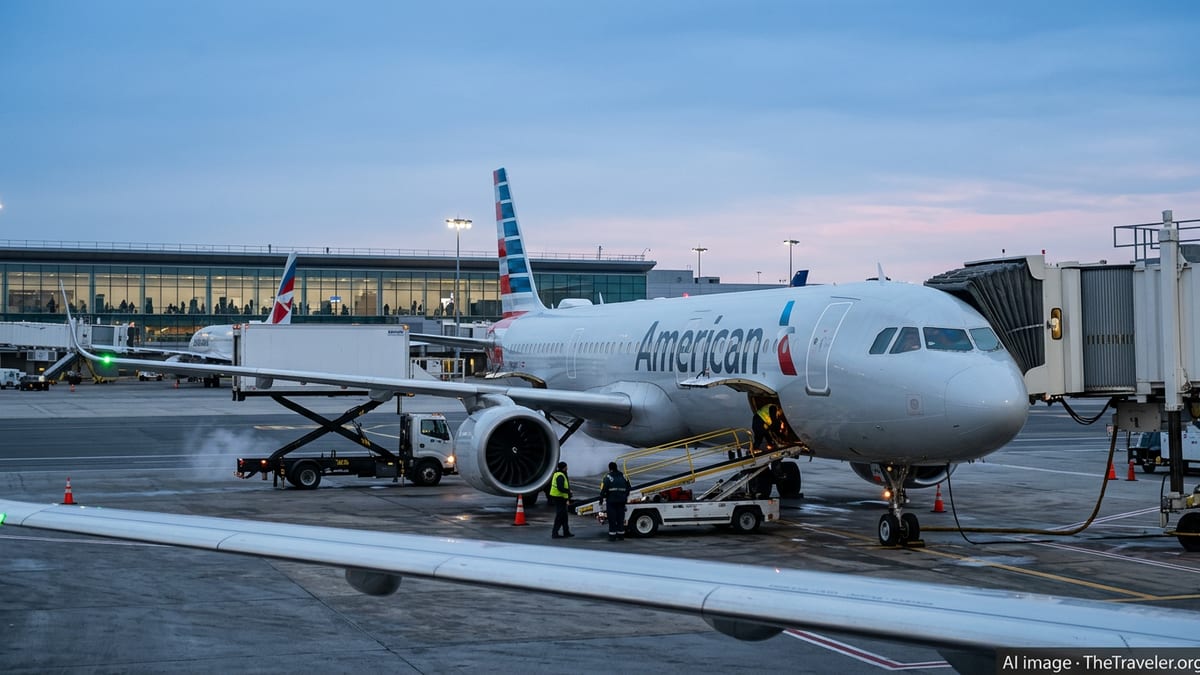
American Airlines Targets Prague, Budapest and Mediterranean Favorites
American Airlines has laid out one of its most ambitious European programs in years for summer 2026, centering on new access to Central Europe alongside additional Mediterranean capacity. Publicly available schedule information indicates that the carrier will introduce new nonstop service to Prague and Budapest, positioning itself as a key U.S. gateway to two of the region’s most in-demand city break destinations.
According to published coverage of American’s 2026 plans, the network build-out also includes added seasonal frequencies to established Mediterranean favorites such as Athens and Milan, as well as expanded links into major European financial hubs including Zurich. The moves are designed to capture strong outbound U.S. leisure traffic while reinforcing existing joint venture networks across the Atlantic.
Industry analysts point out that these additions mark a strategic shift toward so-called “secondary” European cities that once required at least one connection for most U.S. travelers. By pairing Prague and Budapest with more capacity to Southern Europe, American is signaling confidence that demand for culture-led long-haul city trips and coastal escapes will remain robust through 2026.
The carrier’s 2026 blueprint further cements Philadelphia and Dallas Fort Worth as prime transatlantic gateways in its portfolio. More nonstop points in Central Europe and around the Mediterranean reduce the need to connect through continental European hubs, giving American greater control over schedules and connectivity while offering travelers shorter journey times.
United and Delta Deepen Transatlantic Coverage to New Coastal and City Hubs
United Airlines is also leaning heavily into Mediterranean and near-Mediterranean demand for summer 2026. Reports on the airline’s upcoming schedule show new nonstops from its Newark and other U.S. hubs to coastal and historic cities across Croatia, Italy, Spain and Scotland, adding resort-style and heritage destinations that were previously time-consuming to reach from North America.
The new United routes, which include fresh access to smaller coastal cities, reflect a broader trend of U.S. carriers moving beyond major capitals to reach mid-size leisure markets. These are destinations that benefit from strong summer tourism but have only recently built up the infrastructure and demand to support long-haul flights from the United States.
Delta Air Lines, for its part, is framing summer 2026 as its largest transatlantic season to date. Publicly available information from the airline’s announcements highlights an expanded European schedule that includes new links from New York and Boston to Mediterranean hotspots and Central European gateways. Among the highest profile additions are planned nonstop flights from New York to the islands of Sardinia and Malta, as well as new services from Seattle and Boston that further diversify the network.
By combining Central European cities with island destinations across the Mediterranean, Delta aims to offer a mix of cultural, coastal and resort experiences in a single network. Analysts note that this gives the carrier more opportunities to smooth seasonal peaks and valleys, while U.S. travelers gain far more point-to-point options that avoid congested connection banks in Western Europe.
easyJet and SAS Build Dense Intra-European Links to Feed Long-Haul Demand
On the European side, low-cost and network carriers are positioning themselves to capture connecting traffic and short-haul demand feeding into this transatlantic surge. easyJet has announced a raft of new routes for summer 2026 from multiple UK bases, including additional services into Southern Europe and key Mediterranean gateways. The focus is on giving UK travelers more direct options to leisure destinations while also creating convenient links for passengers connecting from long-haul flights operated by U.S. airlines and other partners.
easyJet’s 2026 expansion includes more frequencies from regional UK airports into the Mediterranean basin, as well as added capacity into major European hubs that act as onward gateways to islands and coastal resorts. Travel industry observers suggest that, as U.S. carriers push deeper into Europe, these short-haul services become increasingly valuable for distributing arriving passengers beyond primary hubs.
SAS, which has historically maintained a strong presence between Scandinavia and Southern Europe, is expected to lean into Mediterranean demand as well, with a network that connects Nordic capitals to popular sun destinations. By strengthening these intra-European links, SAS and easyJet together support the broader ecosystem of 2026 transatlantic travel, ensuring that more travelers arriving from North America can reach smaller resort towns and regional airports without backtracking through traditional mega-hubs.
The combined effect is a denser mesh of flights that allows travelers to create multi-stop itineraries across Central Europe and the Mediterranean with relative ease. City-to-beach combinations that once required complex planning and lengthy rail or car segments are increasingly achievable via one or two short flights.
Central Europe and the Mediterranean Emerge as 2026 Demand Hotspots
The concentration of new capacity on Central European cities and Mediterranean coastlines underscores how these regions have evolved into global demand hotspots. Travel trend data cited in industry coverage show that travelers are increasingly prioritizing culturally rich cities such as Prague and Budapest alongside classic island and coastal escapes in Greece, Italy, Croatia and Spain.
For Central Europe, the influx of new nonstop services from American, United and Delta means reduced travel times, fewer connections and more schedule choice, particularly during peak summer months. Tourism boards and local hospitality stakeholders have been promoting extended city stays, river cruises and countryside excursions, and additional nonstop flights are expected to support longer average trip lengths from North America.
In the Mediterranean, new point-to-point routes to islands such as Sardinia and Malta, plus expanded access to cities like Athens and coastal Italian and Spanish destinations, are likely to further compress shoulder seasons. Carriers are increasingly launching services earlier in spring and extending them later into autumn, reflecting a push to capture demand beyond the traditional July and August peak.
Analysts also note that diversification across multiple European regions helps airlines hedge against local disruptions and economic fluctuations. With new options spread across Central Europe and the wider Mediterranean, carriers can shift capacity more flexibly if demand patterns change, while travelers benefit from a wider range of price points and experiences.
What the 2026 Route Race Means for Travelers
For U.S. and UK travelers planning 2026 trips, the combined expansion from American, United, Delta, easyJet and SAS translates into more nonstop options, shorter total journey times and a greater likelihood of finding competitive fares. With multiple airlines serving overlapping regions, price-sensitive travelers may benefit from increased competition on popular corridors, while premium travelers gain additional choices in cabin products and schedules.
Travel industry reports indicate that early bookings for 2026 summer trips are already tracking ahead of previous years, particularly for European journeys that combine city exploration with time on the coast. The new route announcements are expected to accelerate that trend as more itineraries become feasible without multiple connections.
Experts advising travelers suggest monitoring schedule updates closely through 2025 and early 2026, as airlines may still tweak frequencies or aircraft types in response to demand. However, the broad direction is clear: Central Europe and the Mediterranean are set to be more accessible from North America and the UK than ever before.
With new gateways opening on both sides of the Atlantic and a dense web of intra-European links, the 2026 route race is reshaping how travelers think about European vacations. Rather than choosing between a single city or beach resort, the latest schedules make it increasingly realistic to pair Prague with the Greek islands, Budapest with the Croatian coast, or a Nordic capital with a Mediterranean beach, all within one seamless trip.