


More news on this day
Recent severe flooding in parts of Asia and other regions has prompted U.S. embassies to issue fresh alerts advising American citizens to avoid the hardest-hit areas, reconsider nonessential trips, and remain prepared to change travel plans at short notice.
Get the latest news straight to your inbox!
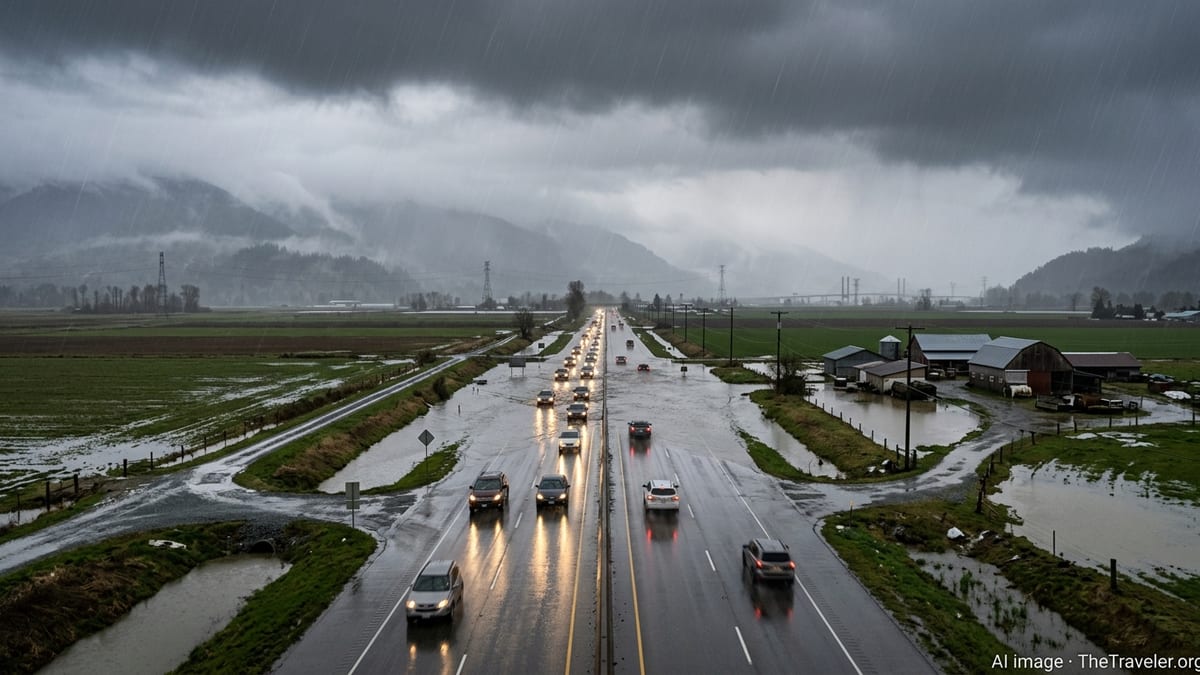
Embassy alerts follow deadly floods and disrupted travel
In late August 2026, intense monsoon rains and flash floods in Nepal’s Rasuwa district and other parts of South Asia led to fatalities, infrastructure damage, and evacuations, drawing a focused response from the U.S. government. Publicly available information from the U.S. Department of State indicates that a disaster response adviser has been deployed to support relief efforts, alongside targeted financial assistance for emergency shelter, relief items, and water, sanitation, and hygiene support in flood-affected communities.
Press materials related to the flooding in Nepal highlight that the U.S. Embassy in Kathmandu is working to locate and assist U.S. citizens in the impacted areas. Travelers already in-country are encouraged through public channels to monitor local news, follow the guidance of local emergency services, and make use of official alert systems designed for crisis situations.
While some of these communications focus on humanitarian support, they also underscore the risks facing visitors in regions experiencing severe weather and flooding. Road closures, damaged bridges, and intermittent power or communications can complicate both routine travel and emergency response, especially in mountainous or remote districts that are popular with adventure and trekking tourists.
The recent events in Nepal form part of a broader pattern in which seasonal rains and tropical storms trigger localized travel disruptions across multiple countries each year. As such, embassy advisories are increasingly emphasizing the need for travelers to remain flexible and to treat itineraries through flood-prone areas as provisional.
Travel advisories highlight flood and storm risks in several destinations
Regularly updated country-level travel advisories from the U.S. Department of State provide a wider context for the latest flood-related alerts. Many destinations currently assessed at Level 2, where travelers are advised to exercise increased caution, have specific references to heavy rains, storms, and flooding during certain seasons.
For example, advisory language for some Caribbean and Central American destinations consistently notes that intense rainfall can produce flash flooding and landslides in urban and low-lying areas during rainy or hurricane seasons. In parts of South and Southeast Asia, published guidance points to a combination of monsoon rains, cyclones, and riverine flooding that can quickly alter road conditions, affect domestic transport, and hamper access to rural tourist sites.
Other advisories, such as those for countries experiencing broader security concerns, add natural hazards to a list of existing risks. In locations where armed conflict, terrorism, or crime already warrant higher advisory levels, the potential for flooding or storm damage can further limit the ability of consular staff to reach certain regions, particularly where infrastructure is fragile or overburdened.
These layered warnings illustrate that natural disasters rarely operate in isolation. Instead, they interact with local governance, infrastructure, and public-safety capacities, which in turn inform the strength and specificity of consular advice against travel to certain flood-hit areas.
How U.S. citizens receive flood-related alerts and updates
U.S. travelers are being directed through official channels to rely on a mix of tools to stay informed about flooding and related hazards. The Department of State’s central travel advisory portal aggregates current country assessments, while embassy and consulate websites publish localized alerts and security messages that may address particular regions, cities, or provinces affected by floods.
In addition, the Smart Traveler Enrollment Program (STEP), a free registration service for U.S. citizens traveling or residing abroad, is promoted as a key mechanism for receiving timely information. Public guidance from USAGov notes that enrollment allows embassies to send email alerts about emerging threats, including natural disasters, and provides a channel for contacting travelers directly in a crisis.
For visitors already in countries experiencing flooding, these tools complement local sources such as national meteorological agencies, disaster-management authorities, and transportation operators. Collectively, they help travelers decide whether to postpone excursions to flood-hit regions, reroute itineraries, or depart affected areas altogether.
Officials and public safety specialists also point to traveler toolkits produced by security-focused organizations, which describe how flooding can have second- and third-order effects. These include downstream landslides, contamination of water supplies, and prolonged disruption to road and air links, all of which may influence whether a particular area is suitable for nonessential travel in the days and weeks after a major storm.
Practical steps for travelers considering or already in flood-hit areas
Current advisories emphasize that no trip can be considered entirely risk-free, particularly where seasonal flooding is common. Travelers are encouraged through public resources to review destination-specific safety and security sections in advance, paying close attention to references to rainy seasons, flood history, and known problem corridors such as low-lying highways or river valleys.
Guidance from official portals highlights the importance of comprehensive travel insurance that covers trip interruption, evacuation, and medical care. In flood-hit regions, delays and route closures may extend far beyond the immediate impact zone, so policies that can accommodate extended stays or alternative return routes are especially relevant.
On the ground, widely available recommendations include mapping out multiple exit routes from flood-prone areas, maintaining charged communication devices and backup power, and keeping essential documents and emergency supplies accessible. Travelers are also advised to avoid driving through flooded roads, to respect closures of trails and bridges, and to remain alert to changing weather forecasts, particularly where flash floods can occur with limited warning.
Those who choose to proceed with travel near affected areas are encouraged to maintain close contact with accommodation providers and tour operators, who often receive early notice of localized closures or evacuations. Adjusting plans to prioritize regions with intact infrastructure and reliable access to emergency services can significantly reduce exposure to flood-related disruptions.
Rising focus on climate-linked hazards in global travel planning
The latest alerts related to flooding sit within a broader evolution of official travel advice, in which climate-linked hazards such as stronger storms, heavier rainfall, and more frequent extreme-weather events are receiving increased attention. Advisory frameworks described by the Department of State and related guidance from other governments now routinely list natural disasters alongside crime, civil unrest, and health risks as key factors influencing travel assessments.
Traveler-focused reports note that major flood events in recent years, including prolonged monsoon seasons and destructive river floods in South Asia, have displaced large populations and impacted key tourism destinations. These experiences have led to more detailed public messaging about how quickly conditions can deteriorate and how long it may take for infrastructure and services to recover.
For U.S. citizens planning international trips in the coming months, this means considering not only whether a destination is currently affected by flooding, but also whether it is entering a high-risk season. Early planning, flexible itineraries, and ongoing monitoring of embassy messages and travel advisories are increasingly central to responsible travel decisions, particularly where flood-hit areas are concerned.
As the late-summer rainy period continues across parts of the globe, travelers weighing visits to countries with active flood concerns are being encouraged by publicly available guidance to prioritize safety, stay informed, and be prepared to postpone or reroute journeys when official information indicates heightened risk.
U.S. Department of State Travel Advisories
Smart Traveler Enrollment Program (STEP)
USAGov: Travel advisories and STEP overview
U.S. Department of State media note on Nepal floods, August 26, 2026
OSAC Traveler Toolkit: How to Prepare for Travel in a Potential Crisis Zone